Waterproofing Work | Let Us Explain About Urethane Waterproofing Work!

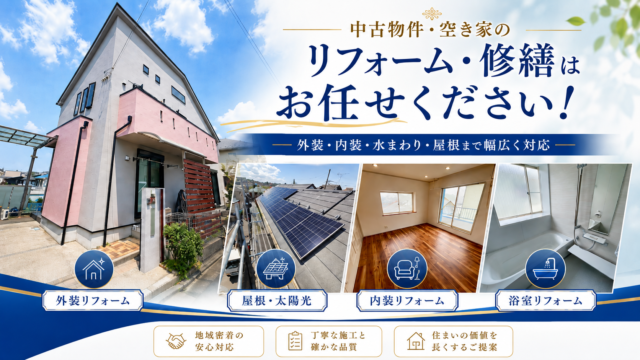
Kakeru Koumuten Co., Ltd. is a specialist in exterior renovations in Yokohama!
At Kakeru Koumuten, we handle a variety of waterproofing projects, and among them, we receive the most requests for “urethane waterproofing”, which we will explain!
“Advantages and Disadvantages of Urethane Waterproofing”
“Suitable and Unsuitable Installation Locations for Urethane Waterproofing”
“Maintenance Methods for Urethane Waterproofing and Key Points for Estimation Confirmation”
You can find information on these three points and more about urethane waterproofing!
If you are considering urethane waterproofing, please read to the end!!
What is Urethane Waterproofing?

Urethane waterproofing is one of the typical coating waterproofing methods used on rooftops and balconies of houses and buildings.
By spreading and curing liquid polyurethane resin, a seamless integrated waterproof layer is created. It is low-cost and has high workability, making it suitable for a wide range of sites, which is why it is adopted in many buildings.
Advantages and Disadvantages of Urethane Waterproofing
Next, let’s take a closer look at the advantages and disadvantages of urethane waterproofing.
Advantages of Urethane Waterproofing
No Seams
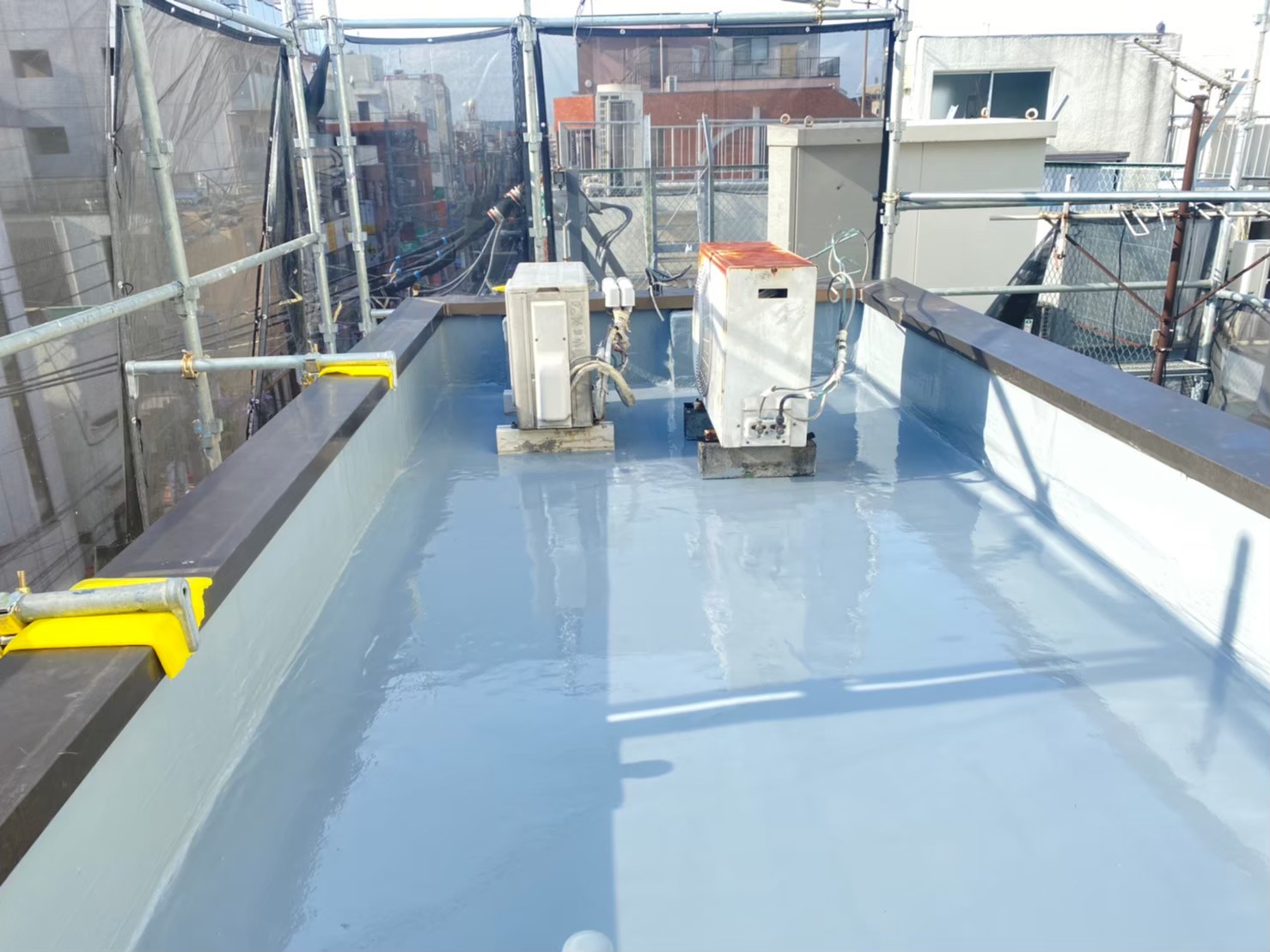
With urethane waterproofing, since liquid urethane resin is applied, the entire surface can be finished without creating seams.
In many cases, leaks tend to occur at the seams, but with urethane waterproofing, there is no such concern.
Can Accommodate Any Shape
One type of waterproofing work is sheet waterproofing.
In sheet waterproofing, it is necessary to cut and paste sheets, which may not be suitable for complex shapes.
However, in the case of urethane waterproofing, since liquid urethane is applied, it can be smoothly installed even on complex shapes.
Can be applied over existing waterproofing layer (overlay)
If the waterproofing layer is in relatively good condition, it is possible to apply urethane on top without removal, allowing for “renovation.”
This approach generates no waste and contributes to cost and time savings.
Flexible and follows the movement of the building
Urethane waterproofing is highly elastic, like rubber, making it easy to respond to cracks and structural movements.
It is particularly suitable for buildings with structures that are prone to swaying, such as wooden constructions.
Easy to repair and high maintenance performance
Even if there are cracks or damage in some areas, repairs can be made with partial reapplication. Additionally, simply repainting the top coat every 5 to 7 years can maintain waterproof functionality over the long term.
Of course, if urethane waterproofing is to be done again, it is necessary to perform high-pressure washing to remove dirt, but there is no need to strip off the old waterproofing layer, allowing for maintenance to be completed in a short period.
Reduces burden on the building
Urethane resin is a very lightweight material, making it less likely to put a load on the building.
Some may think, “That won’t damage the building,”
but applying heavy materials or using heavy sheets can potentially reduce the durability and seismic resistance of the building itself.
If you want to carry out waterproofing work while maintaining the durability and lifespan of the building, urethane waterproofing is also a recommended method!
Disadvantages of Urethane Waterproofing
Next, let’s take a detailed look at the disadvantages of urethane waterproofing.
Finish depends on the skill of the craftsman
As explained earlier, the finish of urethane waterproofing depends on the skill of the craftsman.
If an unskilled craftsman performs the work, unevenness can occur, preventing it from fulfilling its intended role.
When choosing urethane waterproofing, be sure to select a contractor with experienced and skilled craftsmen.
Please check Kakeru Koumuten’s painting and waterproofing work achievements here!
Easily affected by weather (rain and humidity)
Urethane is mainly moisture-curing type, and if it rains or the humidity is too high during construction, it can lead to poor curing or whitening (the surface becoming whitish).
Particularly during the rainy season or winter, careful attention is needed regarding the timing of construction.
▶ Construction must be halted during rain. It is essential to ensure proper drying before proceeding with construction.
Surface is prone to scratches
The waterproof layer after curing is flexible, but it is weak against impacts from sharp objects and damage from dragging heavy items, which can lead to scratches and peeling.
It is not suitable for places where weight and friction are frequently applied, such as rooftop parking lots and warehouse floors.
▶ If scratches occur, prompt repairs are necessary to prevent potential leaks.
High maintenance frequency
Polyurethane waterproofing has lower durability compared to other methods.
While other methods can last around 10 to 20 years, polyurethane waterproofing requires reapplying the top coat every 5 years.
If regular maintenance is not performed, the top coat will deteriorate, leading to a decrease in waterproofing functionality, so it is important to carry out maintenance at the appropriate timing.
Takes time to dry and cure
A single application does not achieve sufficient thickness for the waterproof layer, so 2 to 3 coats are standard.
Each time, drying and curing time is required, so it often takes at least 2 to 3 days or more for the construction period.
▶ Since it requires some time to set, consideration for weather and living pathways during the construction period is necessary.
Timing for Maintenance of Polyurethane Waterproofing (How Deterioration Occurs)
Here, we will explain the timing for maintenance after applying polyurethane waterproofing!
As a basic guideline for polyurethane waterproofing work, it is ideal to repaint the top coat around 5 years after installation, have a professional check and maintain the deterioration of the waterproof layer around 10 years, and carry out renovation work around 12 to 15 years. This is the ideal maintenance cycle.
| Check Items | If there are abnormalities, confirmation is required! |
|---|---|
| Faded, turning white | A typical sign of surface deterioration. Consider repainting the top coat. |
| Surface is powdery | Chalking phenomenon. A sign that the protective effect is diminishing. Gradually, there is a possibility that water may reach the substrate. |
| Cracks are present | Cracks may lead to leaks or rainwater infiltration. |
| Bloating or peeling in the paint film | In many cases, water is reaching the substrate, so it is advisable to have a professional inspection. |
| Puddles remain | Poor slope or drainage, along with deterioration of the paint film, can lead to prolonged water retention, making further deterioration more likely. |
Maintenance Methods for Urethane Waterproofing
We will explain the maintenance methods for urethane waterproofing. By regularly performing appropriate maintenance, the durability can be extended, so it is important to conduct regular inspections.
Repainting the Top Coat
The durability of urethane waterproofing is said to be about 10 to 15 years, but this can be maintained with regular maintenance.
Basically, the top coat deteriorates in about 5 to 7 years, so we recommend repainting the top coat!
In addition to the above timing, if you notice fading, the occurrence of white powder (chalking), small cracks, or peeling, we recommend repainting the top coat. If left unattended, the risk of rainwater infiltration increases, so it is important to respond promptly.
Reconstruction of Urethane Waterproofing Work
If rainwater infiltration has already occurred, simply repainting the top coat will not resolve the issue. In this case, unfortunately, reconstruction will be necessary.
Reconstruction will incur more costs compared to just repainting the top coat, so if you discover signs of deterioration, addressing them promptly can help reduce construction costs.
What Items to Check in a Urethane Waterproofing Estimate?
We will explain the items to check in the estimate for urethane waterproofing work!
Here, we will explain an example estimate for urethane waterproofing / ventilation buffer method based on actual work carried out by our company, item by item.
Additionally, it may vary depending on the method and the waterproofing materials used, so please feel free to consult us if you have any concerns!
Rooftop Urethane Waterproofing Work 【Ventilation Buffer Method】
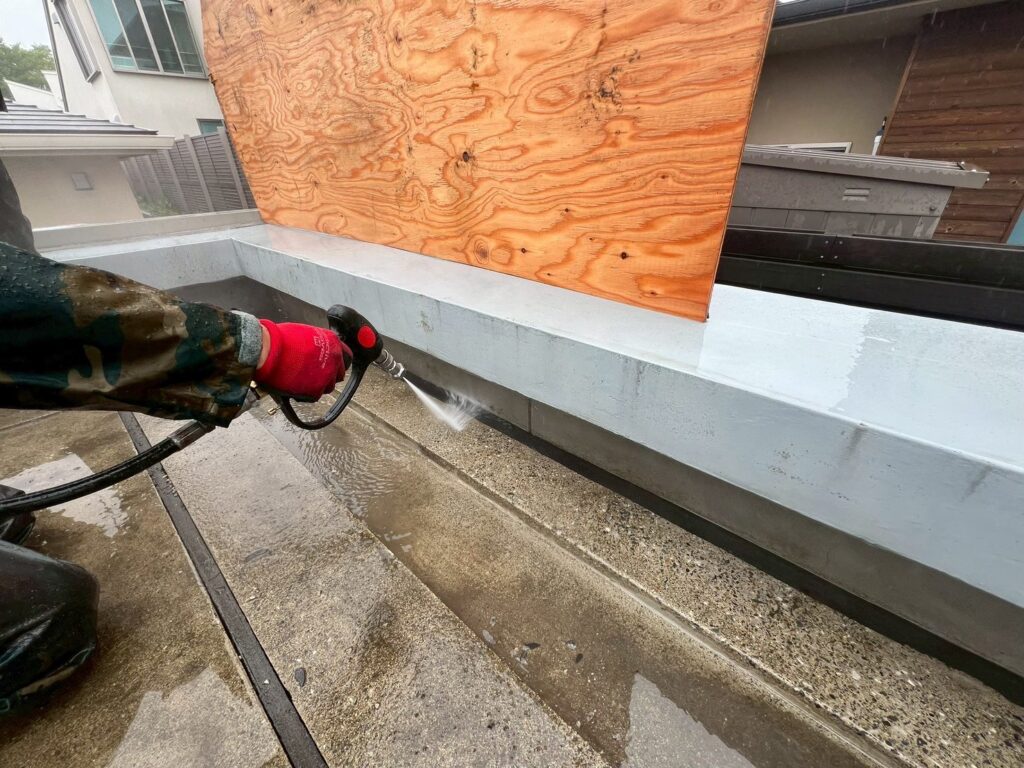
Cleaning and High-Pressure Washing
First, we will conduct a thorough cleaning of the construction area.
If high-pressure washing is not possible, we will remove as much dirt as possible through scraping and cleaning.
Substrate Adjustment
We will replace the expansion joints and apply substrate adjustment material over the entire area if the substrate is mortar or concrete.
The substrate adjustment material we frequently use is “Nihon Kasei Co., Ltd. / NS Cation One.”
This is a cationic substrate adjustment material that is ideal for waterproofing work as it can prevent fine cracks in concrete and mortar.
Primer Application
Once the substrate treatment is complete, we will apply a primer as a base coat. The primer is a necessary step to enhance the adhesion between the substrate and the ventilation sheet. Be sure to check that the primer used is suitable for the substrate!
Ventilation Sheet Installation
This is the most important step in the urethane waterproofing ventilation buffer method.
The ventilation sheet plays a crucial role in preventing air and moisture from the building from causing blisters in the urethane waterproofing.
The ventilation sheet will only be applied to flat areas.
Urethane waterproofing uses different materials for flat areas and vertical sections!
Flat areas refer to the floor surface.
Vertical sections refer to wall areas that are perpendicular to the floor surface.
Materials used: AGC Polymer Co., Ltd. / QV Sheet
Vertical Section Cross Installation
We will apply reinforcing cross to the vertical sections to enhance strength. By applying the reinforcing cross, the strength of the vertical sections, which tend to have a thinner membrane, is increased!
Materials used: AGC Polymer Co., Ltd. / Saracene Vertical Reinforcing Cross
Joint Tape and Edge Tape Installation
We will reinforce the joints (joint parts) of the ventilation sheet with joint tape.
The joint area is prone to causing leaks, and water can seep in from here, deteriorating the substrate, so we will pay special attention during construction.
We will also apply dedicated tape to the edges in the same manner as the joint tape.
Example materials: Joint Tape, MB Tape 100 (Edge Tape)
Inside Corner Sealing Treatment
The inside corner is the boundary between the flat area and the vertical section, and since this area is prone to cracking or peeling of the waterproofing material, we will perform reinforcement and waterproofing treatment with a flexible sealing material. After construction, it may be difficult to see, so let’s check the estimate items and construction photos.
The quantity will be the same as the vertical section’s meter length!
Materials used: Urethane Seal
Ventilation Pipe Installation
The ventilation pipe serves to discharge air and moisture trapped by the ventilation sheet to the outside.
One installation is required for every 50㎡, so for 200㎡, four ventilation pipes will be installed.
The material is generally made of rust-resistant stainless steel.
Renovation Drain Installation
We will install a renovation drain at the drainage location!
The type will vary depending on the size of the existing drain and piping, so we will install a renovation drain that matches the size.
Different sizes can lead to leaks, so caution is necessary!
The number of existing drains and renovation drains will be the same!
We will take precautions with “Pylon Tape” to prevent urethane waterproofing material from flowing into the drain.
First Layer Application on Vertical Section
We will apply polyurethane waterproofing material to the vertical sections such as wall edges.
For vertical areas, we use a polyurethane waterproofing material specifically designed for vertical applications, which has a higher viscosity than that for flat areas.
Since construction companies provide unit prices per meter or per square meter, it’s essential to check the units when comparing prices!
There are various types of vertical polyurethane waterproofing materials, ranging from high-strength types to more cost-effective options, so let’s check them out!
Example of materials used: AGC Polymer Co., Ltd. / Saracene K for vertical applications
First Layer Application on Flat Areas
We will apply polyurethane waterproofing material designed for flat areas.
Similar to vertical applications, there are various types available, from high-strength to cost-effective options, so let’s check them out!
Example of materials used: AGC Polymer Co., Ltd. / Saracene K
Second Layer Application on Vertical Areas
We will apply the second coat of polyurethane waterproofing material to the vertical sections.
By applying it in two layers, the thickness of the membrane increases, enhancing its strength!
Example of materials used: AGC Polymer Co., Ltd. / Saracene K for vertical applications
Second Layer Application on Flat Areas
We will also apply the second coat of polyurethane waterproofing material to the flat areas.
Example of materials used: AGC Polymer Co., Ltd. / Saracene K
Top Coat Application
We will apply a top coat to protect the waterproof layer over the entire area, including vertical and flat sections.
The top coat comes in various colors, such as green and light gray.
There are various specifications available, such as heat-insulating and slip-resistant types, so let’s confirm that it meets your desired materials!
Example of materials used: AGC Polymer Co., Ltd. / Saracene T
Types of Polyurethane Waterproofing
Depending on the type of existing substrate and the application area, it is necessary to use appropriate primer materials and polyurethane materials.
We will introduce the Saracene from AGC Polymer Construction Materials, which we frequently use!
Primer Materials
In the case of Mortar or Concrete Substrates
→Example of materials: AGC Polymer Construction Materials / Saracene P
When Overlapping Existing Polyurethane Waterproofing Layers
→Example of materials: AGC Polymer Construction Materials / P-60 Primer
This is a type of interlayer primer, and it is essential when overlapping existing waterproof layers.
In the case of ALC (Lightweight Cellular Concrete) Substrates
→Example of materials: AGC Polymer Construction Materials / PE-900 Primer
This material has very high water absorption, so it often cannot stop absorption in one application, and multiple layers may be needed.
In the case of Metal Substrates
→Example of materials: AGC Polymer Construction Materials / PE-670 Primer
Metal substrates experience significant expansion and contraction due to temperature changes, so a primer with flexibility and rust resistance is required.
Polyurethane Waterproofing Materials
Regarding waterproofing materials, the recommended options vary depending on the condition of the substrate, the application location, and the desired characteristics.
Balcony & Veranda
Since these areas will be walked on, we recommend using a high-strength type of urethane waterproofing material that is resistant to wear.
For the top coat, it is necessary to have a slip-resistant specification, so we recommend incorporating slip-resistant chips.
Recommended Waterproofing Material: AGC Polymer Construction Materials/Saracene A (Tough Guy)
Recommended Top Coat: AGC Polymer Construction Materials/Saracene T + Chip #20
Rooftop (Renovation Work)
Since a wide area is expected, we recommend urethane waterproofing using the ventilation buffer method.
As it is anticipated that there will be a lot of sunlight, we recommend using a highly durable top coat, and for single-family homes, using a heat-insulating top coat.
The urethane main agent is cost-effective, along with the top coat.
Recommended Waterproofing Material: Saracene K
Recommended Highly Durable Top Coat: AGC Polymer Construction Materials/Saracene T Fluorine
Recommended Heat-Insulating Top Coat: AGC Polymer Construction Materials/Saracene T Thermo
High-Strength Urethane
The disadvantage of urethane waterproofing is that the surface durability is low. The surface may get damaged when people walk on it or when heavy objects are dragged across it.
For such construction areas, we recommend using high-strength urethane!
The waterproofing material we recommend is Saracene A (Tough Guy).
For more details, please check here!
Urethane Waterproofing Methods
There are mainly two methods of urethane waterproofing: Adhesive Method and Ventilation Buffer Method.
Adhesive Method
The adhesive method, as the name suggests, is a construction method where the existing substrate and the new waterproofing material adhere closely. Its characteristics include lower construction costs and faster construction speed.
Ventilation Buffer Method
The ventilation buffer method, also known as the insulation method, is a construction method where a ventilation buffer sheet (insulation sheet) is laid between the existing substrate and the new waterproof layer.
The main feature is the installation of a vent pipe to allow moisture and water from the substrate or building to escape, protecting the new waterproof layer. This method can reduce deterioration from moisture compared to the adhesive method, so while the costs are higher, the durability increases.
Recommended Waterproofing Materials for Each Urethane Waterproofing Method
| Item | Adhesive Method | Ventilated Buffer Method |
|---|---|---|
| Bonding Method | Directly bonded to the substrate | Bonded through a ventilated buffer sheet |
| Breathability (Moisture Escape Function) | None | Yes (moisture escapes using a vent pipe) |
| Construction Cost | ◎ Inexpensive | ◯ Slightly higher |
| Construction Speed | ◎ Fast | ◯ Standard |
Suitable and Unsuitable Locations for Urethane Waterproofing
Locations Suitable for Urethane Waterproofing
Balconies and Verandas
Can be applied seamlessly even in complex shapes, and can be installed without issues on steps and drainage channels.
Widely used in many buildings’ balconies and verandas.
Rooftops (Flat Roofs)
Due to the membrane waterproofing, it results in a seamless finish.
Even on large rooftops, it can be installed due to the high elasticity of the material!
Ventilated buffer is recommended. If sunlight is strong, a heat-resistant top coat is recommended.
Locations with Complex Substrates
Can be installed even in areas with piping and frameworks.
Locations Unsuitable for Urethane Waterproofing
Extremely Cold Areas (Subzero Construction)
In low temperatures, curing is slow, which can lead to uncured or poorly executed work.
Areas Frequently Exposed to Oils or Chemicals
Urethane has low chemical and oil resistance, so construction is not allowed in chemical plants or kitchens.
High-Temperature or Fire Hazard Areas (Boiler Rooms, etc.)
Due to heat, degradation, discoloration, and cracking are likely to occur, so urethane waterproofing is not recommended.
Areas with Many Irregularities and Difficult Bonding
Prone to poor adhesion, which can cause lifting and peeling, so caution is necessary.
Types of Substrates Suitable for Urethane Waterproofing
Concrete
High strength and stability, with good adhesion. If the substrate condition is good, the adhesive method is also acceptable.
Mortar (Cement)
Treated similarly to concrete, but surface preparation and repairs are important.
Asphalt Waterproofing Layer
When applying without removing the existing waterproofing layer, we recommend the ventilation buffer method.
Vinyl Sheet Waterproofing Layer
There are cases where urethane is applied over existing sheet waterproofing.
By using grinding and a dedicated primer, urethane waterproofing is possible on vinyl sheet waterproofing layers.
However, depending on the degree of deterioration of the sheet, it may be better to switch to complete removal or insulation methods.
Rubber Sheet Waterproofing Layer
Urethane waterproofing does not generally adhere well to rubber sheets, so it is not recommended, but it can be applied using a dedicated primer.
However, long-term durability cannot be expected.
Metal
Urethane waterproofing is also used on roofs and other areas. However, urethane materials with high flexibility and a rust-resistant primer for metal are required.
Wood Substrate (e.g., Balcony)
When applying urethane waterproofing to a wood substrate, it is important to consider the effects of movement and moisture, using the ventilation buffer method or reinforcements, and selecting appropriate substrate strength and primer.
Potential Grants for Urethane Waterproofing
We introduce potential grants and subsidies that may be applicable for urethane waterproofing work!
Using a heat-reflective top coat during urethane waterproofing work may qualify for energy-saving subsidies from local governments.
【Katsushika-ku, Tokyo】Katsushika Eco Subsidy
Eligible Work
High Reflectivity Coating: Painting work using high reflectivity paint on roofs and exterior walls.
Individual Residential
Subsidy Amount
If only the roof or exterior wall is constructed: 50,000 yen per unit.
If both the roof and exterior wall are constructed: 100,000 yen per unit.
Apartment Buildings & Business Locations
Subsidy Amount
One-fourth of eligible expenses or construction area (㎡) × 1,000 yen
whichever is smaller
Limit Amount
Apartment Buildings: 1,000,000 yen
Business Locations: 400,000 yen
Requirements
The solar reflectance in the near-infrared region of the paint used must be 65% or higher.
For more details, please refer to Katsushika Eco Subsidy|Katsushika Ward Official Site
【Chuo City, Tokyo】FY 2025 Subsidy Program for Natural Energy and Energy-Saving Equipment for Residential and Multi-Family Housing
Subsidy Amount
350,000 yen to 100,000 yen
Subsidy Rate
Partial subsidy for the installation costs of eligible equipment (including equipment, materials, and installation work)
20% of the costs
Eligible Materials
High Reflectivity Paint:Using paint with high solar reflectance to reduce the cooling load of buildings
Eligible Applicants
Individuals residing in Chuo City
Management associations of condominium buildings in Chuo City
For more information, please see here.
Long-Term Excellent Housing Renovation Promotion Project
The “Long-Term Excellent Housing Renovation Promotion Project” implemented by the Ministry of Land, Infrastructure, Transport and Tourism supports renovations aimed at improving the durability, energy efficiency, and deterioration countermeasures of buildings.
This may include subsidies that can be utilized for urethane waterproofing work.
-
Subsidy Limit: Up to 1,600,000 yen (Base 800,000 yen + Maximum additional 800,000 yen)
-
Eligible Work: Includes waterproofing work, deterioration countermeasures, energy-saving renovations, and support for multi-generational living.
For more details, please check the official website.
Roof Top Urethane Waterproofing Work (Ventilation Buffer Method) Examples
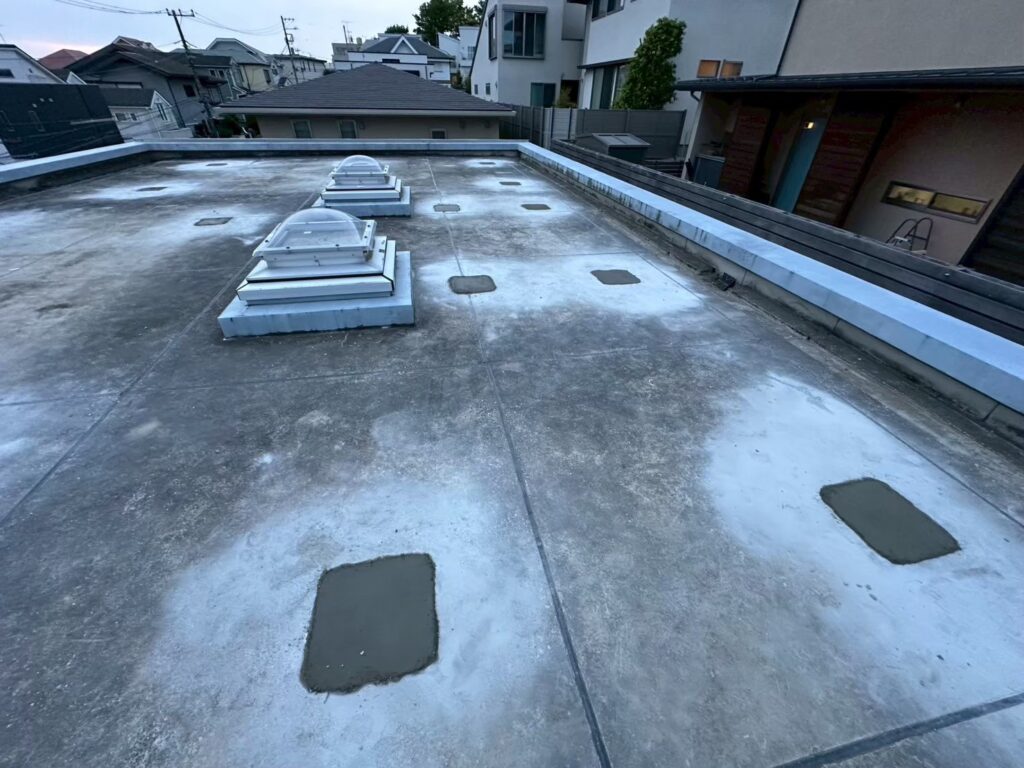
1. Cleaning

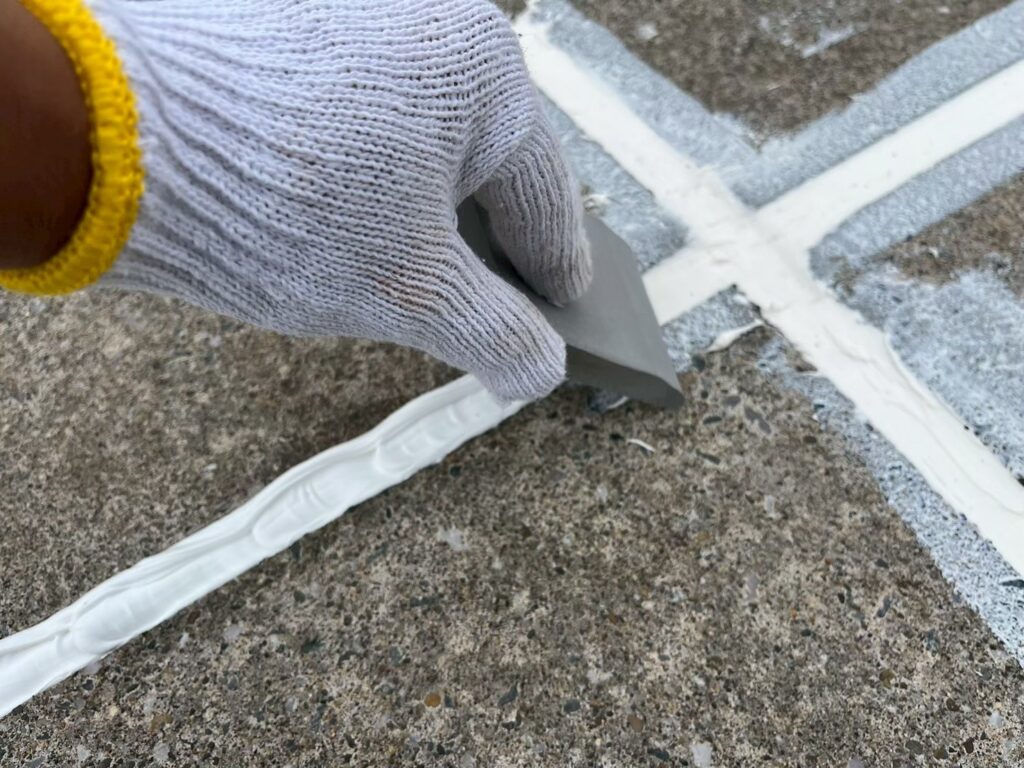
2. Substrate Adjustment
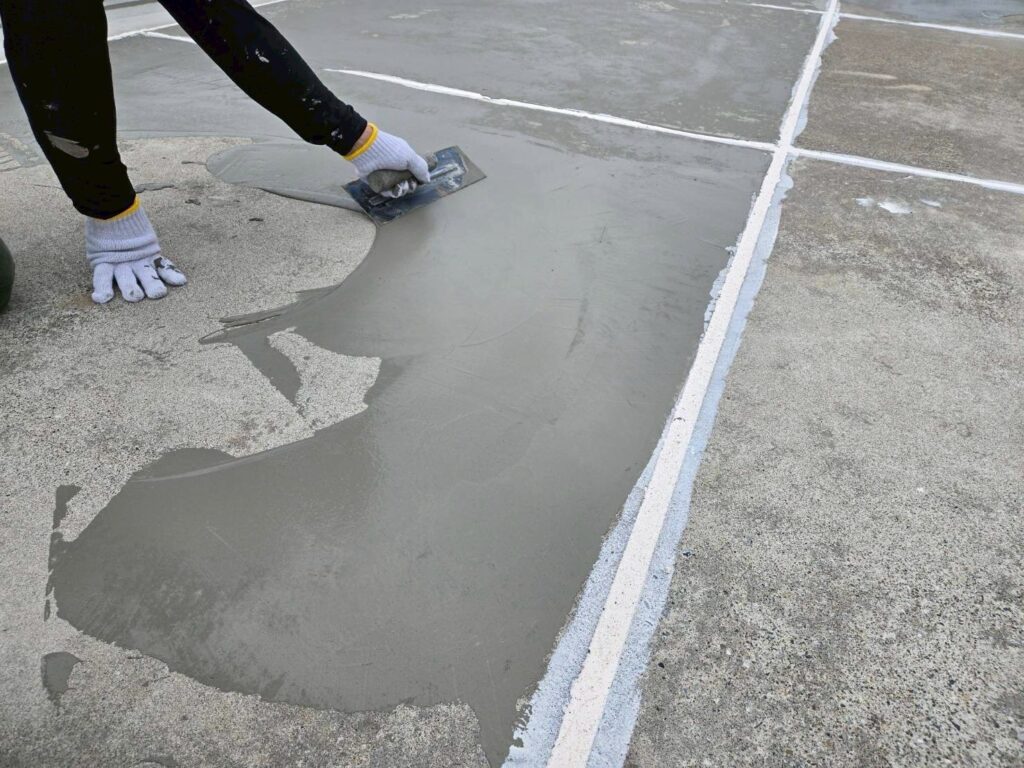
The existing waterproofing is asphalt waterproofing (cinder concrete cover).
We will remove the deteriorated expansion joints and apply polyurethane sealing material.
We will apply a leveling material over the entire substrate to perform substrate adjustment!
3. Application of Primer
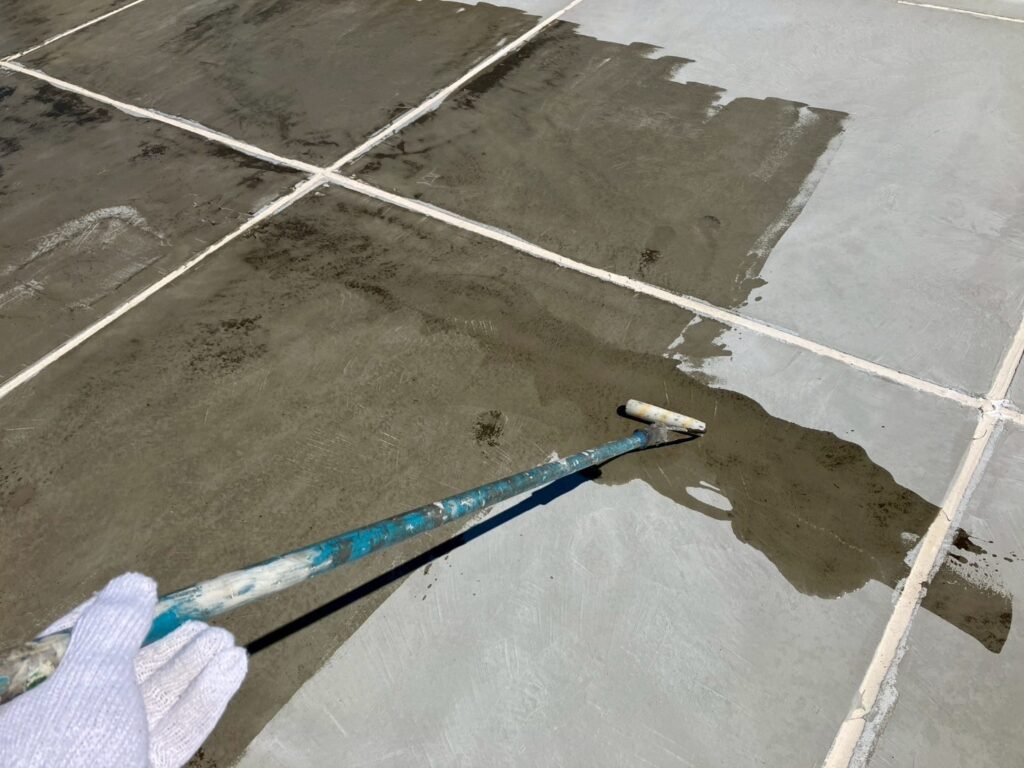
We will apply
4. Installation of Ventilation Sheet and Joint Tape
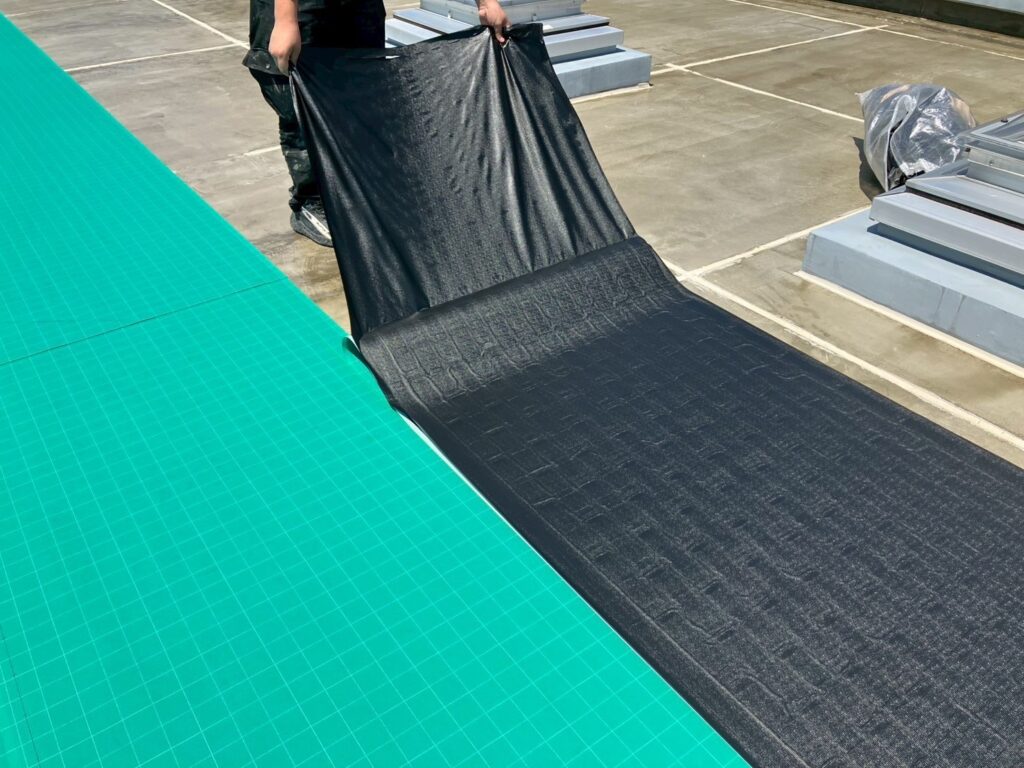
After applying
5. Installation of Ventilation Pipe
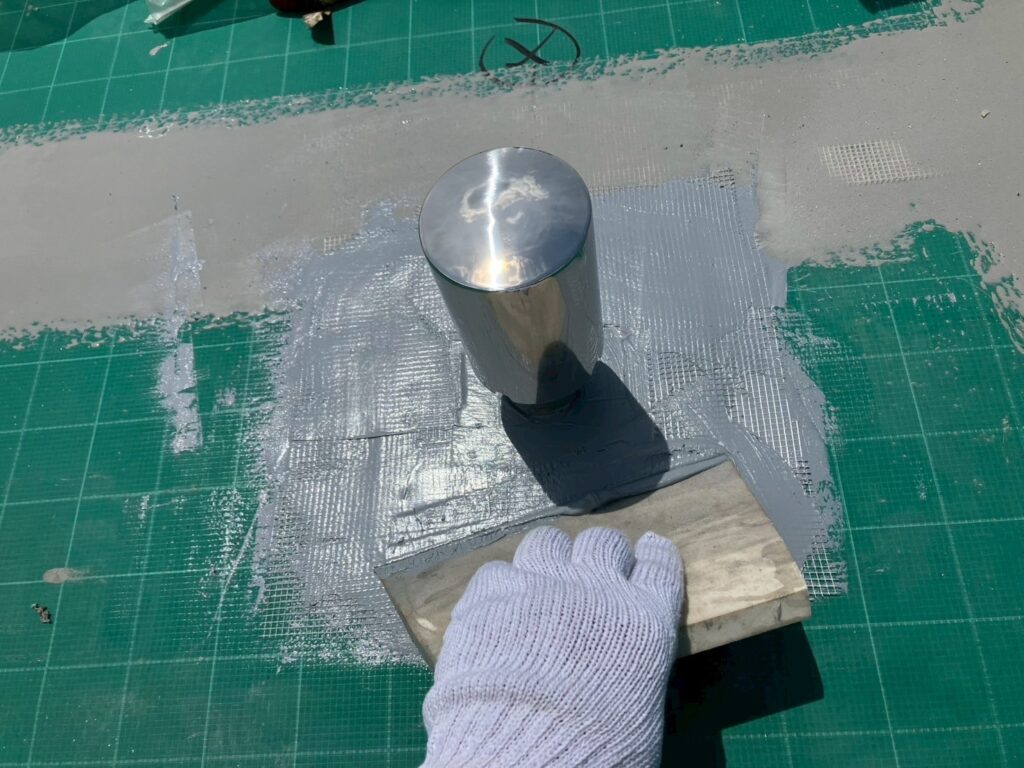
The
6. Application of Polyurethane (First Layer)
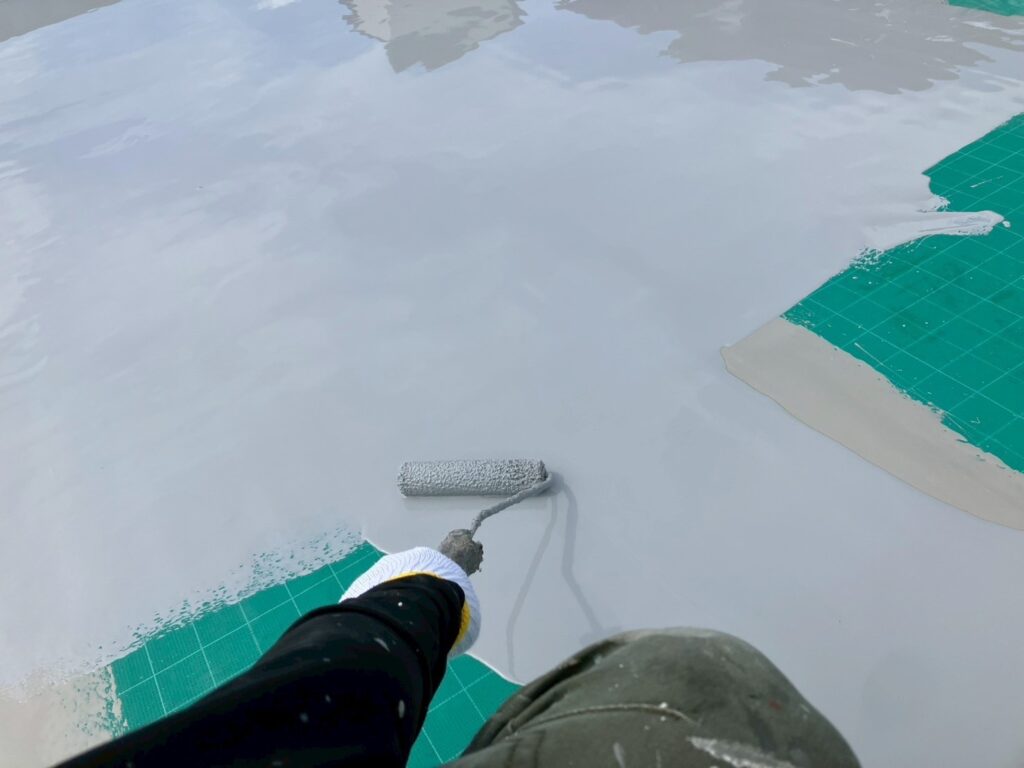
7. Urethane Application (Second Layer)
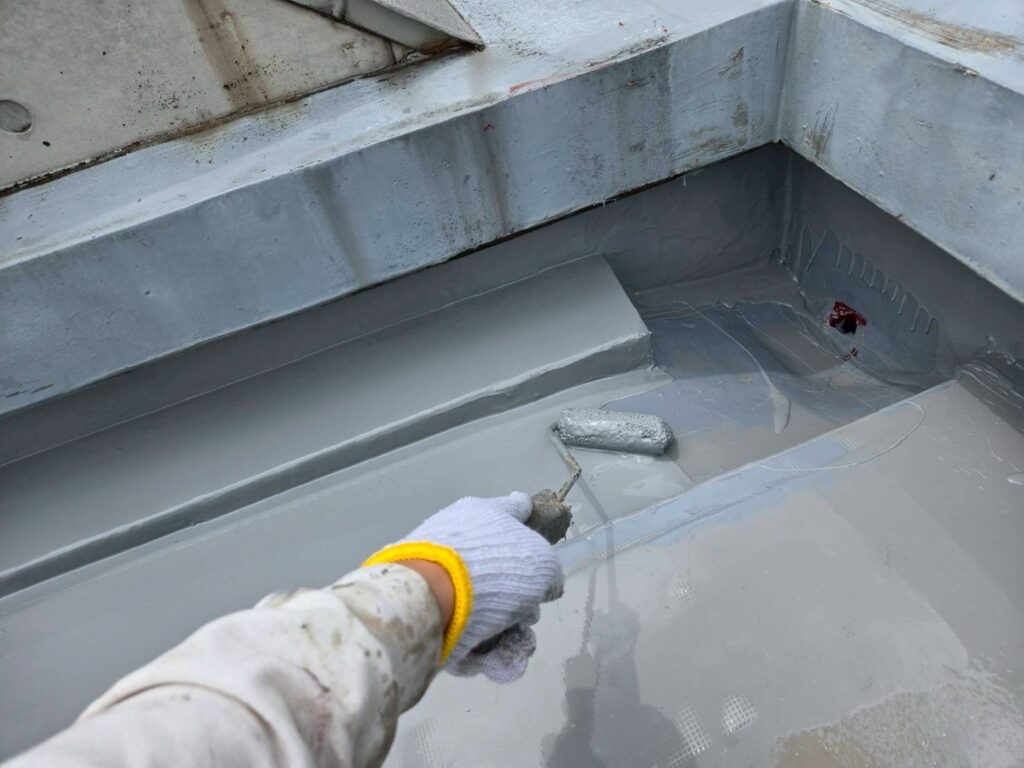
8. Top Coat Application
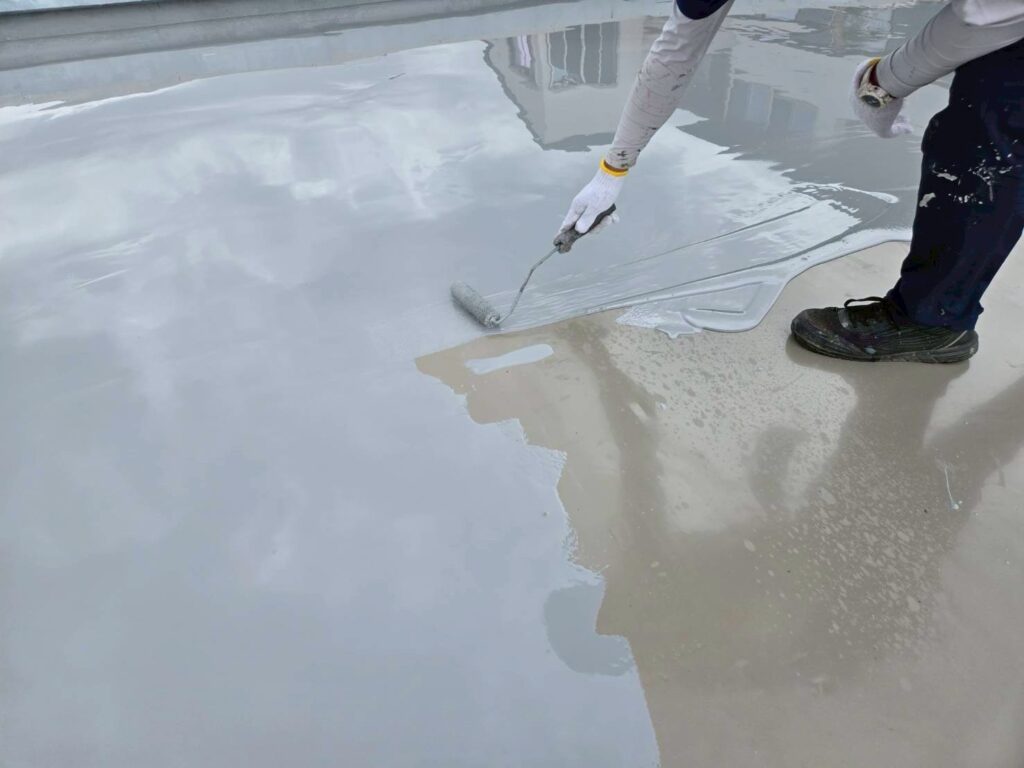
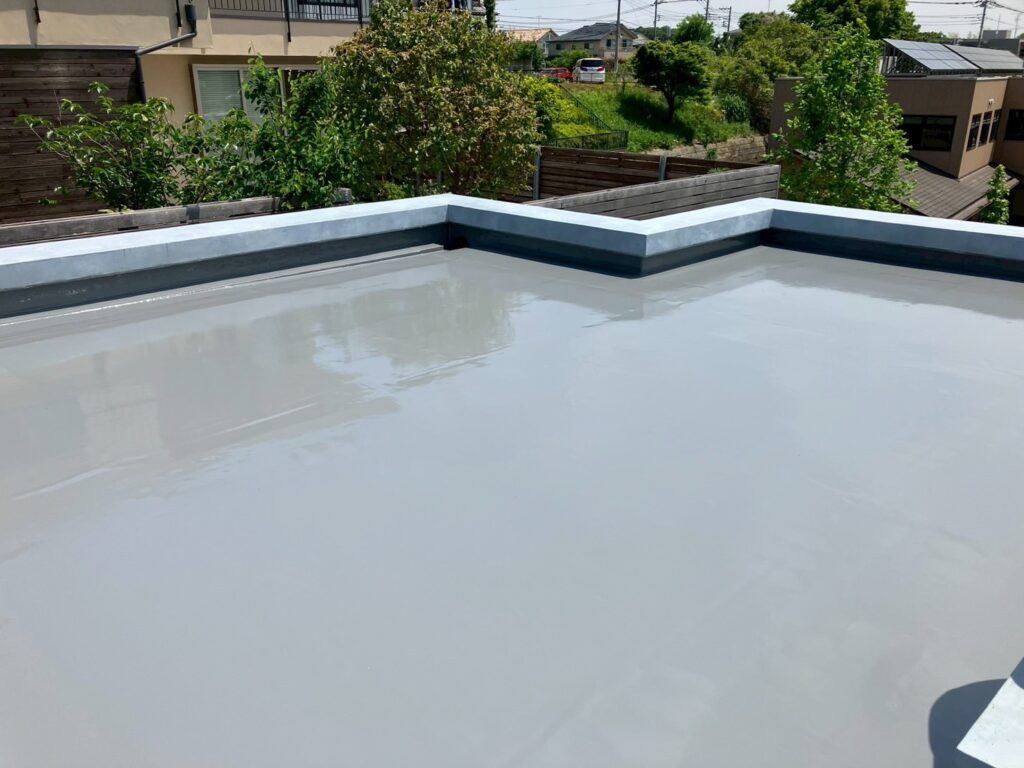
9. Completion of Rooftop Urethane Waterproofing Work
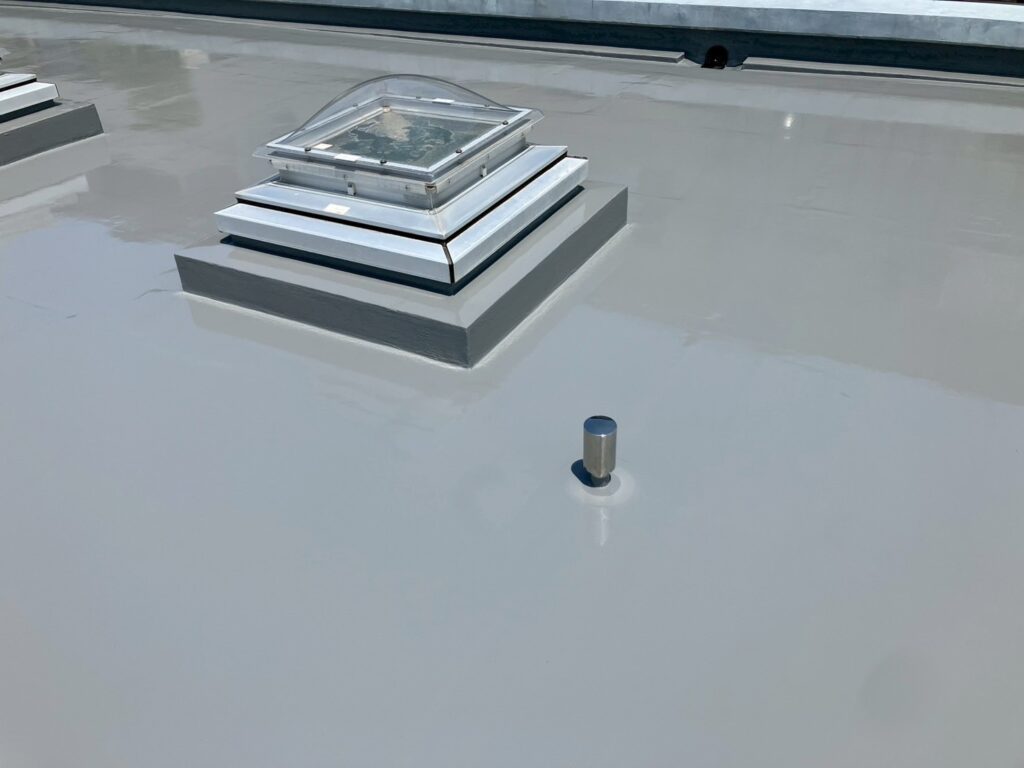
Summary
Urethane waterproofing refers to the work of applying urethane resin to create a waterproof layer.
There are several other types of waterproofing work, but compared to other methods, urethane waterproofing can be done easily and at a low cost, making it recommended for cases with budget constraints.
The cost of urethane waterproofing can vary by contractor, so it is advisable to obtain estimates from multiple companies and select the contractor accordingly.
First of all, free estimates and consultations are also very welcome, so please feel free to contact us!
For helpful information about other exterior renovations, click here!
We also welcome consultations via LINE◎

We are also updating our Instagram regularly◎ Please follow us◎
contact Kakeru Koumuten Co., Ltd.
Kakeru Koumuten is a young company whose team is, on average, in their late twenties, but our skills are second to none.
Our greatest strength is that we handle scaffolding, roofing and painting entirely in-house. In an industry where these tasks are usually divided among contractors, our complete service simplifies project management and helps keep costs down. Above all, if a problem arises, we respond promptly.
We proudly describe ourselves as the youngest and most helpful renovation company in Kanagawa!