Leave the repairs and renovations of condominiums and apartments in Komae City, Tokyo to Kakeru Koumuten Co., Ltd.!
Large-Scale Repairs for Condominiums, Apartments, and Buildings in Komae City, Tokyo
To owners, management associations, and management companies considering large-scale repairs for condominiums, apartments, and buildings in Komae City, Tokyo.
Kakeru Koumuten Co., Ltd. is a company that handles everything from the installation of temporary scaffolding to substrate repairs, exterior wall painting, tile repairs, sealing, waterproofing for rooftops and balconies, and roofing work, all managed and performed by our own team. We have undertaken numerous large-scale repairs and exterior renovations for apartments, condominiums, and commercial facilities in Komae City.
- On-site surveys and estimates are completely free (we welcome competitive estimates)
- Comprehensive management from temporary scaffolding to exterior and roofing work
- Our own scaffolding team handles sites in Komae City, from condominiums to apartments
- Consultations for partial repairs or emergency measures for leaks are also possible
- Cost Estimate / For condominiums, the cost is approximately 750,000 to 1,500,000 yen per unit (according to the Ministry of Land, Infrastructure, Transport and Tourism’s survey for the fiscal year 2021, about 70% fall within this range, with the most common being 1,000,000 to 1,250,000 yen. This amount excludes consumption tax and common temporary costs). For wooden apartments, the estimate is around 2,000,000 to 4,000,000 yen per building.
- Estimated Cycle / 12 to 15 years. However, the deciding factor is not the number of years but the condition of deterioration.
- Particularly Relevant in Komae City / The city is located at the southern end of the flat Musashino Plateau, nestled between the Tama River and the Nogawa River, covering an area of 6.39 km², making it the smallest municipality in Tokyo. Flood hazard maps (Tama River and Nogawa River) and internal water hazard maps are available. If scaffolding extends over public roads, it is necessary to obtain approval from the Road Management Section of the Road Traffic Division and go through procedures with the Chofu Police Station (the standard processing time is about 2 weeks). For condominiums built under old seismic standards, there is a city seismic subsidy (applications for fiscal year 2026 are due by December 15). The number of condominium buildings and breakdown by year of construction in the city could not be confirmed from the city’s public documents.
- Available Funding / The official page of Komae City does not confirm any city system that subsidizes the construction costs or deterioration diagnosis costs for large-scale repairs. What the city provides information on includes management plan certification (city-certified) and seismic subsidies for old seismic condominiums. The fixed asset tax reduction special measure is a national system (for work completed by March 31, 2027), and according to the city’s information, the reduction rate in Komae City is one-third (confirmation with the taxation section is necessary for the application). Additionally, we will consider combining the Tokyo Metropolitan Government’s interest subsidies (applications for the second phase of fiscal year 2026 are accepted until February 19, 2027) and public financing. The city’s equipment installation subsidies (high thermal insulation windows, solar control films, high reflectivity coatings, etc.) closed applications on September 8, 2026, due to budget limits.
- Tips for Success / At least three competitive estimates. Compare not only the amounts but also the quantities, methods, and materials.
Large-scale repair work available in Komae City, Tokyo
Large-scale repairs are not just “exterior painting” or “waterproofing”; they are comprehensive repairs to the entire building while scaffolding is in place. At Kakeru Koumuten, we can handle all of the following work in-house, ensuring clear responsibility and coordination of the process.
| Type of Work | Main Contents |
|---|---|
| Temporary Scaffolding Work | Installed by our own scaffolding team using our own scaffolding materials. We handle mesh sheets, protection, and fall prevention measures. |
| Substrate Repair Work | Crack repairs, injection of floating mortar and tiles, explosion (exposed rebar) repairs, resin mortar repairs for missing parts. |
| Exterior Wall Painting Work | High-pressure washing, three coats from primer to topcoat, painting of ancillary parts (iron parts, gutters, water cut-offs, etc.). We accommodate radical control type, fluorine, and inorganic paints. |
| Tile Repair Work | Replacement of broken tiles, joint repairs, clear waterproofing of tile surfaces (such as Seven S). |
| Sealing Work | Replacement and additional sealing around sashes and exterior wall joints. |
| Waterproofing Work | Urethane waterproofing for rooftops, roof balconies, shared corridors, and stairs, PVC sheet waterproofing, and installation of long sheets. |
| Roof Work | Roof painting, roof overlay (cover method), re-roofing, and ridge metal replacement. We have sheet metal craftsmen on staff and can handle large roofs such as factories. |
| Iron and Hardware Work | Surface painting of steel stairs, handrails, and PS doors, replacement of coping and water cut-offs. |
| Drainage and Wastewater Work | Cleaning and renovation of roof drains (insertion of renovation drains), resolving gutter blockages. Issues with drainage can cause puddles and leaks, making this work particularly important for buildings with rooftops. |
| Others | Replacement of rain gutters, rooftop and exterior wall inspections using drones, leak investigations using thermography, and preliminary investigations of asbestos-containing building materials. |
Scope of Large-Scale Repairs Determined by Building Diagnosis
It is not always necessary to carry out all the above works. The extent of the work will be determined based on the results of the building diagnosis. At Kakeru Koumuten, we conduct a free on-site survey to confirm the items below, compile a deterioration diagnosis report with photos, and propose the scope of work.
| Diagnosis Area | Main Investigation Method | Scope of Work Determined by Diagnosis Results |
|---|---|---|
| Exterior Wall (Painted Surface) | Visual inspection, checking the width of cracks and the condition of the paint film | Methods and quantities for crack repair, specifications for painting (whether to repaint or paint after removing the existing paint film) |
| Exterior Wall (Tile Surface) | Sounding investigation. High areas checked with a drone | Scope and estimated quantity for injection and replacement, whether clear waterproofing is necessary |
| Sealing | Checking for cracks, shrinkage, peeling, and hardening | Whether to replace or add to the existing seal, the scope of joints to be worked on |
| Rooftop, Balcony, Shared Corridor | Checking for blisters or breaks in the waterproof layer, puddles, and the condition of drains | Full renovation or partial repair, method (urethane waterproofing, PVC sheet waterproofing, long sheet), whether drain renovation is necessary |
| Leak Areas | Investigation using a thermal imaging camera and drone | Identification of the cause and the priority areas for repair |
| Metal Parts, Roof, Accessories | Checking for rust, corrosion, lifting, and cracking | Whether it can be resolved with painting or if material replacement or overlay installation is necessary |
| Site and Surroundings | Checking retaining walls, slopes, trees, access routes, and parking areas | Planning for scaffolding and the scope of temporary construction |
Reasons Why Kakeru Koumuten is Chosen for Major Renovations in Komae City, Tokyo

The reason why we can be entrusted with large-scale renovations in Komae City is that we have “initiatives that cannot be imitated by other companies in large-scale renovation work”, which has received high praise from many customers.
1. Equipment Specialized for Exterior Renovations
At Kakeru Koumuten, we have prepared the following warehouses and material storage areas to provide low-cost, high-quality exterior wall painting and waterproofing work for large-scale renovations. We have established five bases centered around Yokohama City for material storage and showrooms.
In-house Scaffolding Materials
 We own the scaffolding materials necessary for temporary scaffolding required for large-scale renovations and can assemble the scaffolding ourselves.
By performing scaffolding work with our own scaffolding team instead of outsourcing, we can cut costs on scaffolding work and provide quick and flexible responses.
We own scaffolding materials for approximately 100 single-family homes!
Storage of Materials in Our Large Warehouse
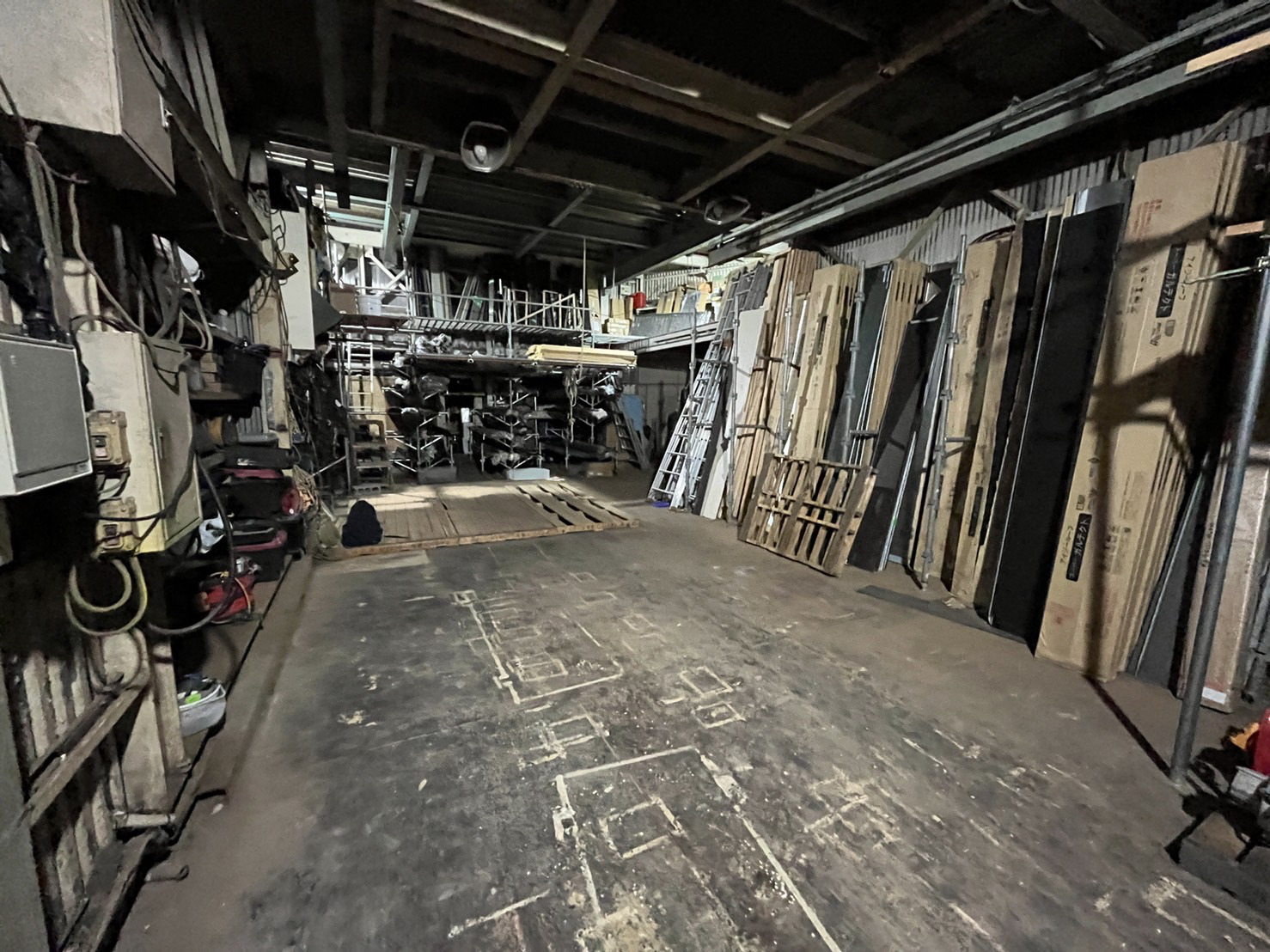 We store paints and substrate repair materials used for exterior renovations. By ordering a large quantity of materials at once, we can procure materials at a lower cost! Additionally, we always have stock available, allowing us to provide swift responses in emergencies!
In-house Waste Separation
 In large-scale renovations, various waste materials such as leftover paint, metal, and wood are generated. At Kakeru Koumuten, we separate and recycle waste materials in-house, which helps reduce waste disposal costs.
Showroom Dedicated to Exterior Renovations

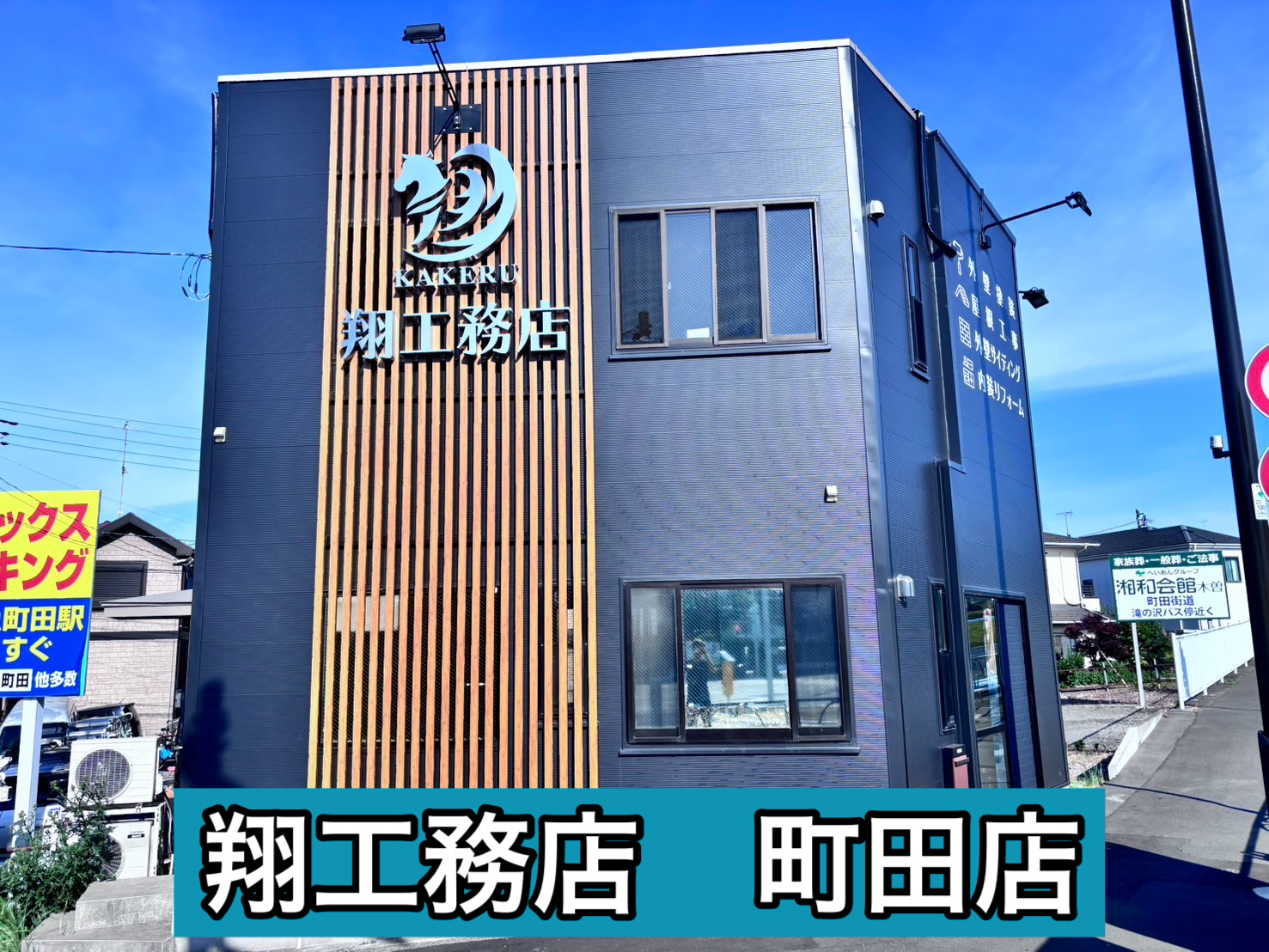
In the showroom, you can not only have meetings but also check actual samples and colors of exterior materials. You can also perform color simulations for exterior painting and check heat insulation properties using a heat insulation testing machine!
2. Cost Reduction through In-House Management and Construction
 One of Kakeru Koumuten’s major strengths is in-house management and construction.
By managing everything from inquiries to project completion in a unified system, we can keep costs down while providing high-quality large-scale repairs. Additionally, one representative will handle everything from the estimate to project completion. Since the sales representative and construction management representative do not change, smooth communication is possible.
We can fully handle everything from temporary scaffolding installation to exterior painting, substrate repairs, waterproofing work, and tile repairs with our own team! Those with specialized knowledge and experience conduct inspections and actual construction for each process!
3. Obtaining Various Permits and Skilled Workers
 We have obtained construction industry licenses and permits for industrial waste collection and transportation! We also have nationally certified sheet metal and painting skilled workers, and we are confident in our construction techniques. We can also handle large-scale roofing work for factories! We have qualified personnel for asbestos work supervisors and building material asbestos surveyors, so we can manage asbestos-containing roofing materials and conduct preliminary surveys.
4. Warranty and Aftercare
Most large-scale repair works, including “painting work,” “substrate repair work,” and “waterproofing work,” come with a warranty!
Aftercare is available every year, and we send out notification DM each year.
5. Flexible and Prompt Response

Our company is equipped to handle various troubles and situations related to apartments and condominiums.
We can also address exterior walls and rooftops that cannot be checked from high places using drones! During leak investigations, we can use a thermal imaging camera to help identify the cause of leaks!
We will respond according to your wishes. We also accept emergency measures for sudden leaks! We will promptly respond to urgent requests and emergencies!
6. Human Resource Development
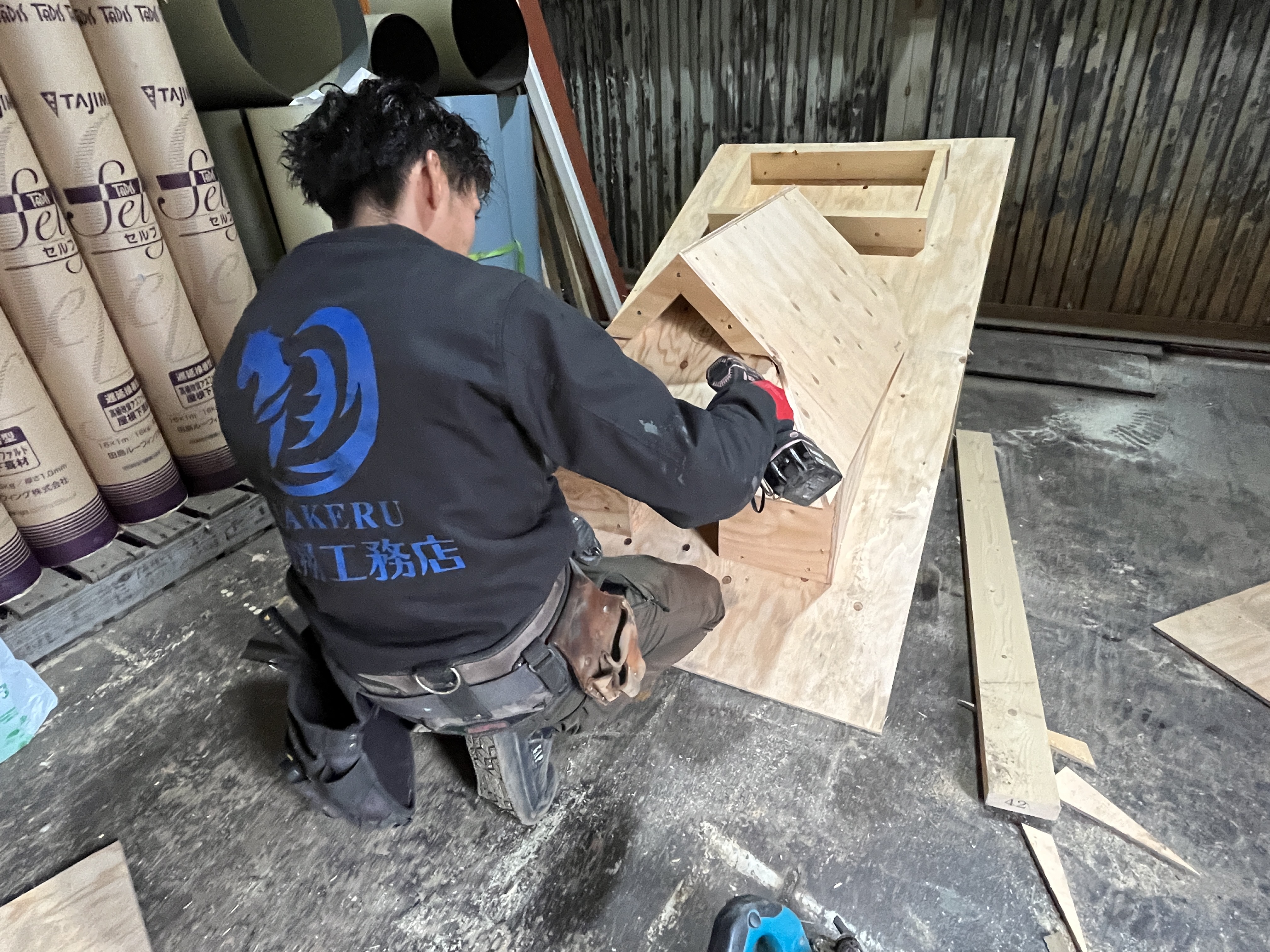
Our staff create various models for skill improvement and conduct practical training. Since different sites require various processing and techniques, we regularly provide skill enhancement education to ensure each staff member can respond appropriately. We also educate on points to pay attention to and areas to check during each stage of large-scale repair work.
7. Consideration for Residents and Neighbors
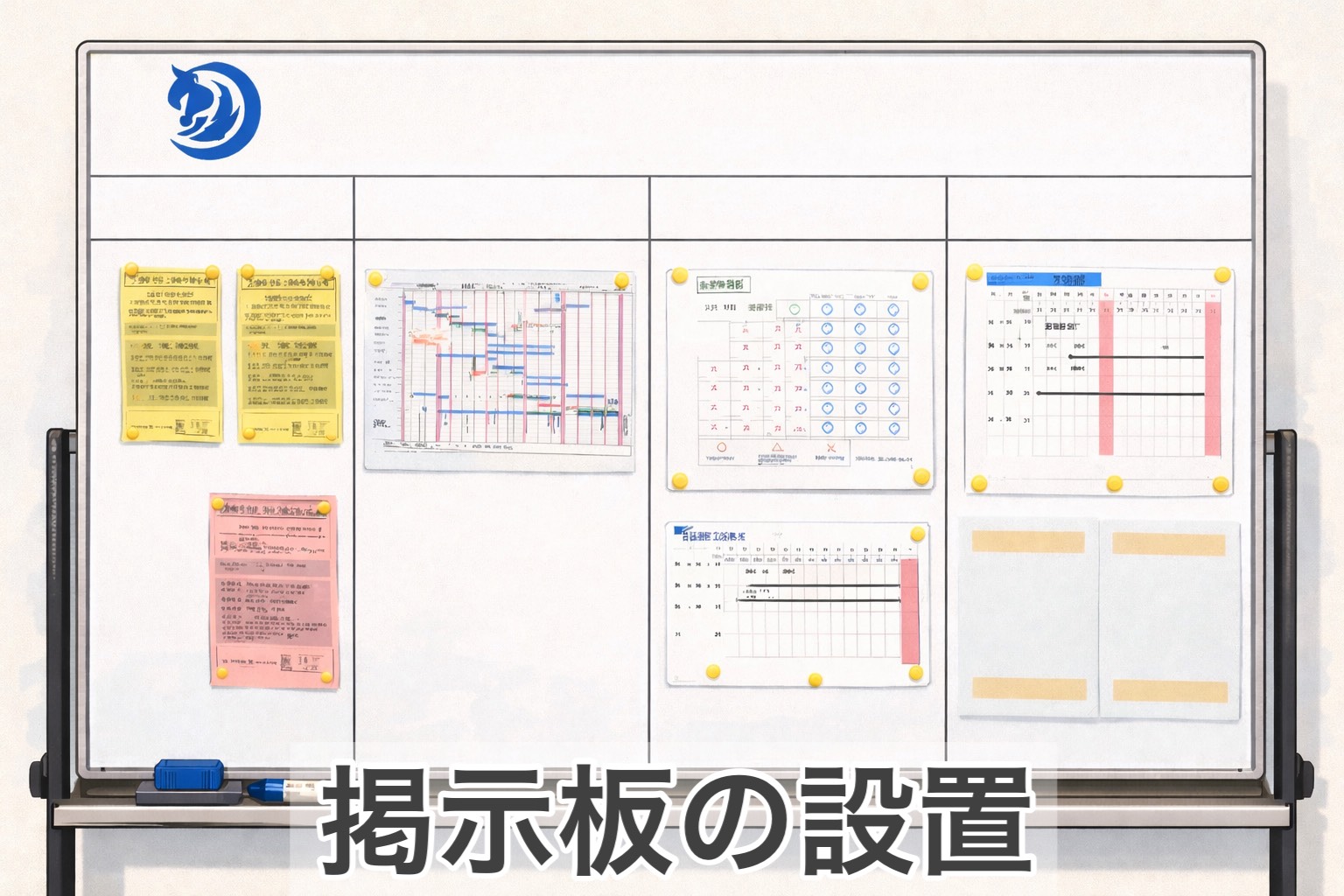
During large-scale repair work, we will not only notify residents and greet nearby residents, but also install a bulletin board at the entrance to display the construction schedule and notices! Additionally, we will thoroughly educate visitors on proper manners to minimize any inconvenience to residents and neighbors.
8. Strict Quality Control
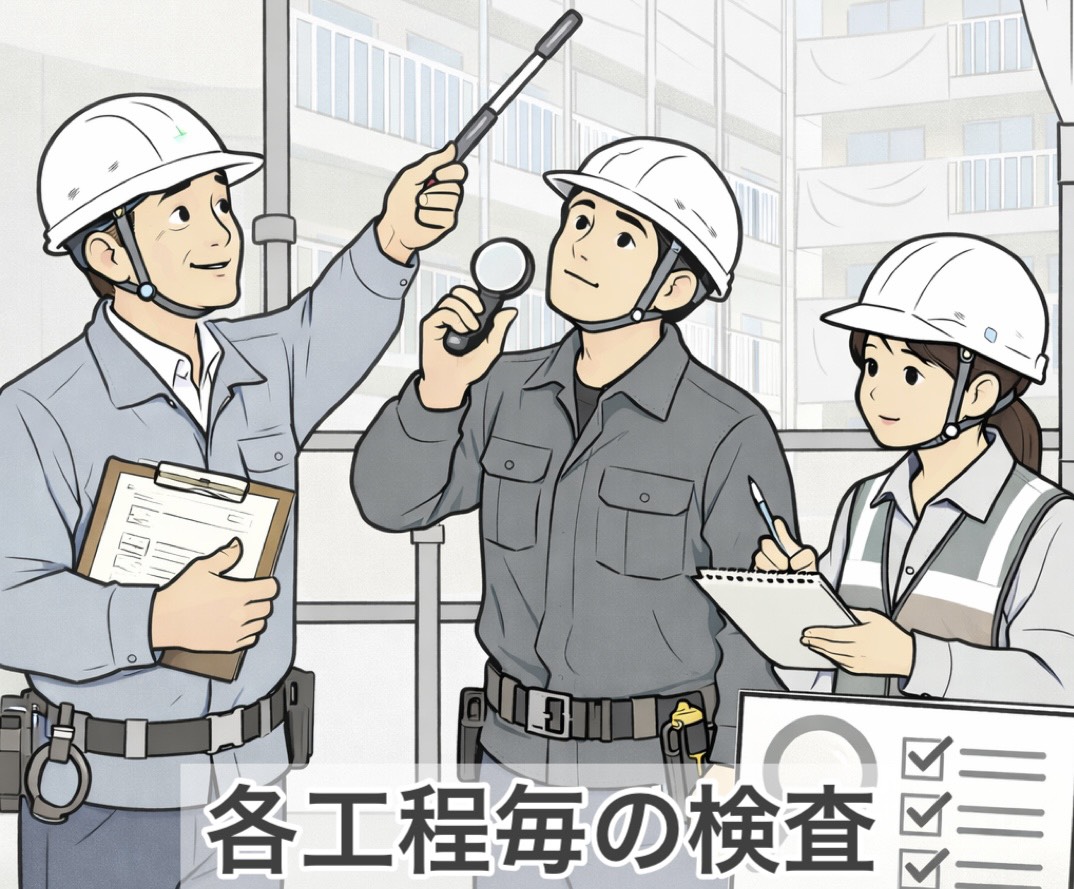
Each process will be inspected by a responsible person, and detailed construction photographs will be taken. We will use film thickness inspection machines and check sheets to ensure that there are no oversights in the inspections. During exterior wall painting and waterproofing work, we will confirm the number of used paint cans to ensure that the specified amount of paint is being used, and we will prevent construction defects by ordering paint directly from our company. Of course, we will also take photos of the used paint and report them.
9. Exterior Wall Painting Color Simulation
9-1 Self Color Simulation
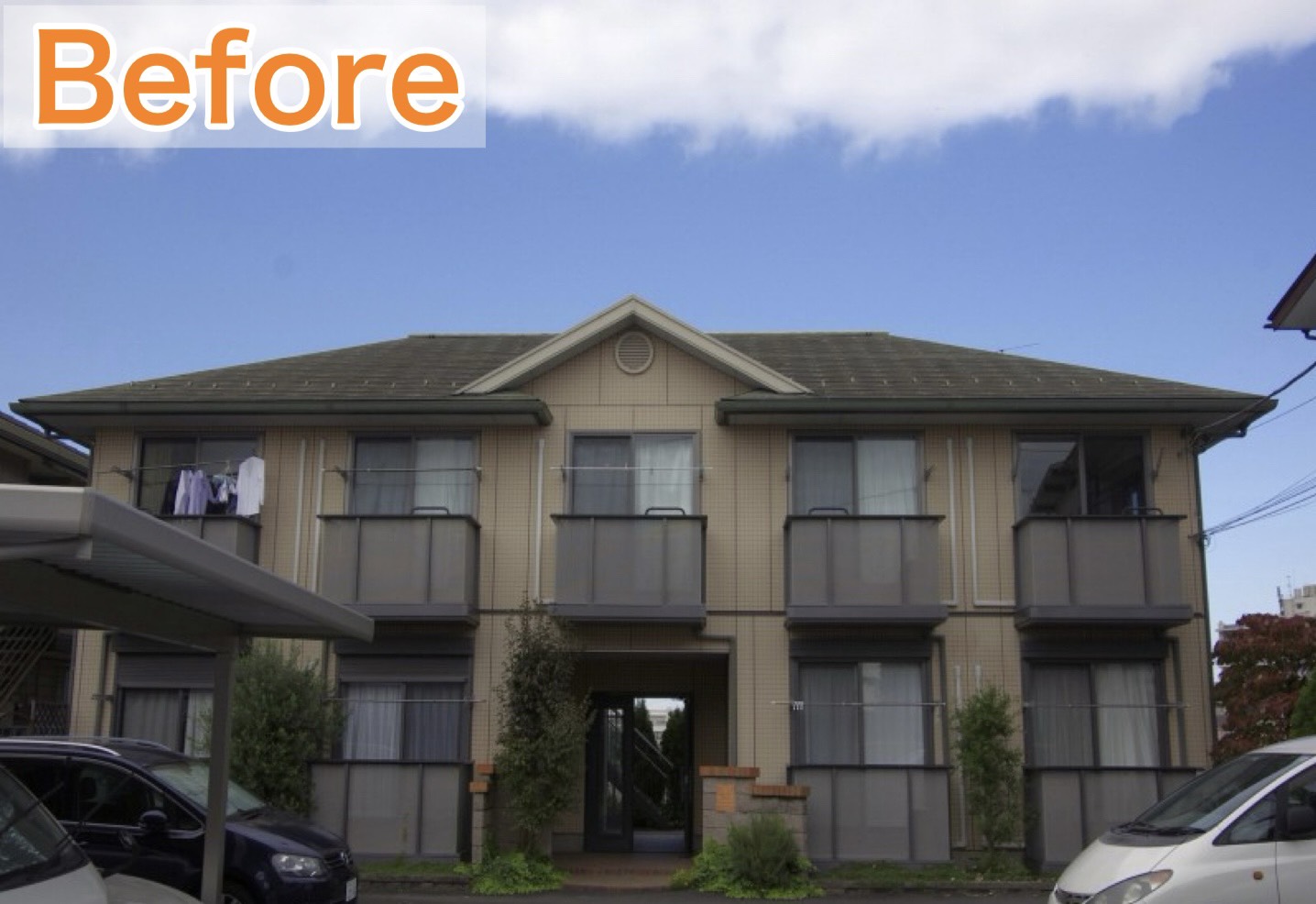
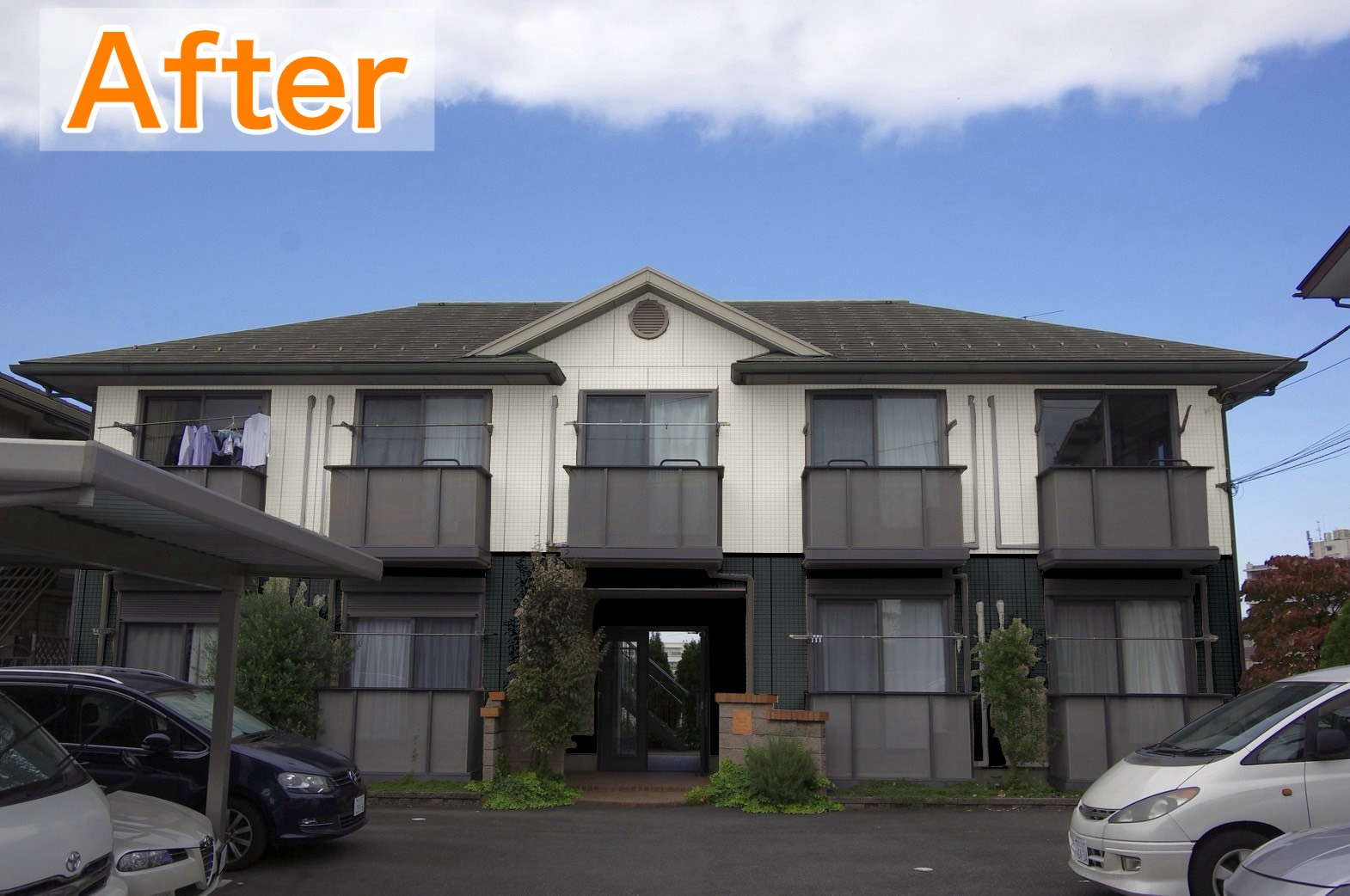
Our simulations can be created from actual photos of your apartment or building!Simulations can also be done on your smartphone or computer. By simulating and then applying a two-tone color or changing the image, we hope to enhance the stylish appearance and increase occupancy rates! Of course, we can also arrange paint samples for actual color confirmation.
* The official page of Komae City includes the “Komae City Landscape Town Development Vision,” but we could not confirm whether there are any notifications based on the city’s unique landscape plan. The city’s town development regulations and greening plan apply mainly to development projects centered on new construction, and it is necessary to confirm with the city whether exterior wall repainting falls under this. Additionally, in areas covered by the Tokyo Metropolitan Landscape Plan, repairs, renovations, or color changes that alter the appearance of buildings are subject to notification under the Tokyo Metropolitan Landscape Ordinance, and the city’s Q&A indicates that repainting in the same color is also subject to this (normal maintenance activities such as tile repairs are excluded). Notifications must be submitted at least 30 days before the start of construction, and whether it is subject to notification is judged based on the overall scale of the building, not the parts being changed. Having a color simulation screen will help facilitate explanations to the general meeting, neighbors, owners, and residents.
9-2 Confirm the Actual Color with a Sample Paint!
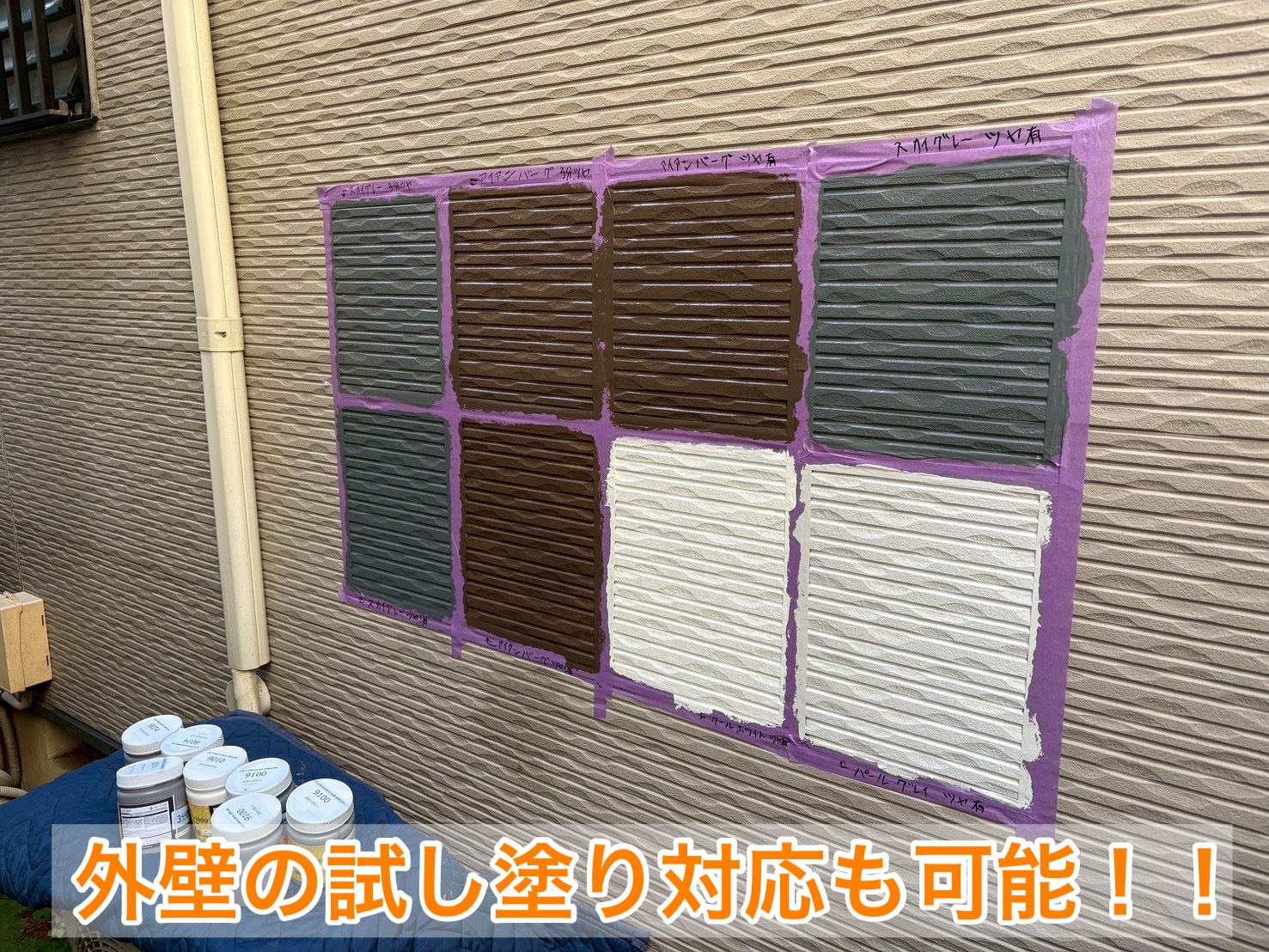 You can order samples of the paint you are considering and conduct a sample paint test on your exterior wall. By doing a sample paint test, you can confirm the actual color and gloss!
9-3 Exterior Renovation Simulation
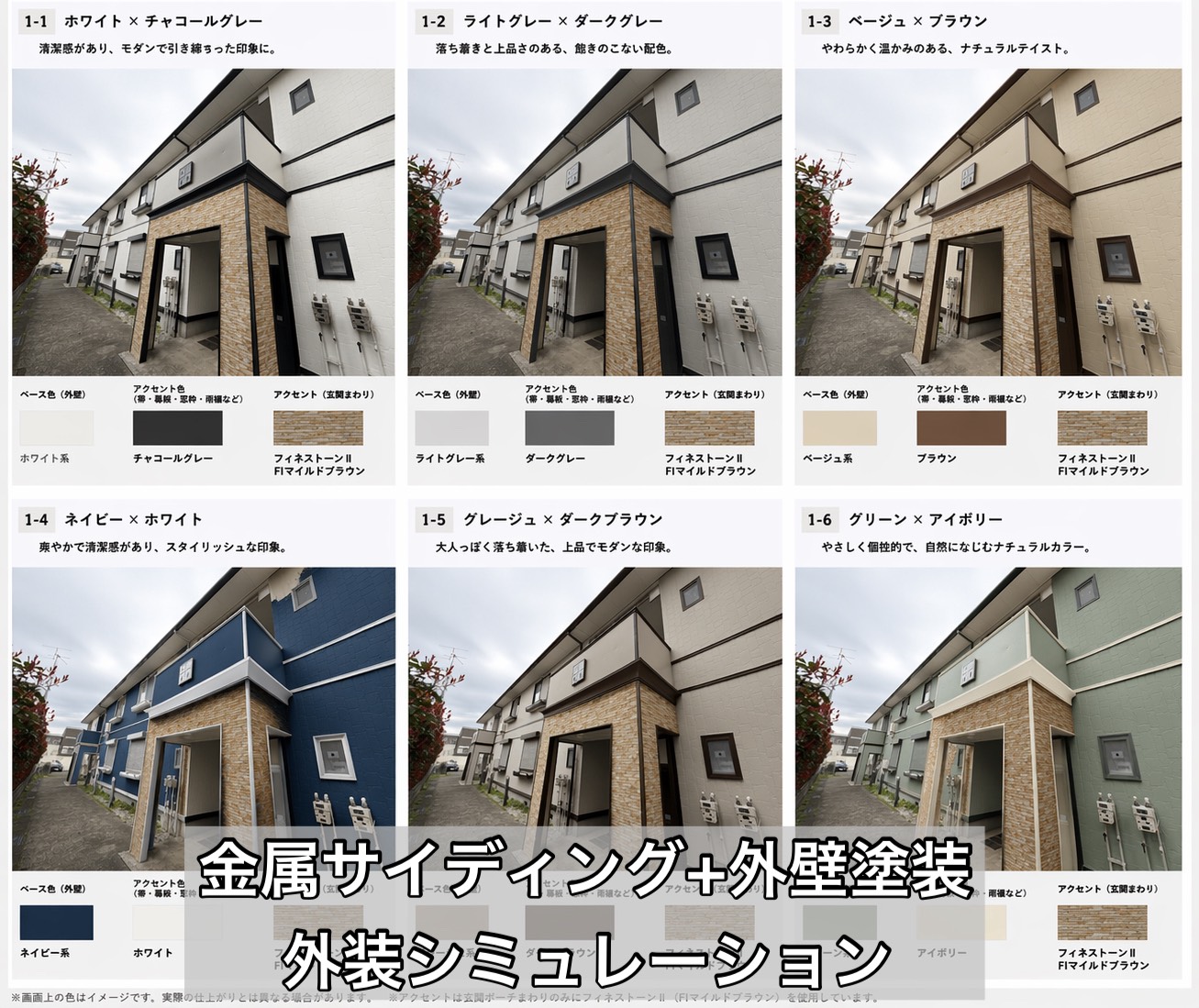
We can also provide exterior simulations for apartments and condominiums as follows!
・Exterior wall color simulation (two-tone colors are also possible)
・Simulation for when metal siding is applied
・Simulation using accent materials such as cornices and louvers
・Simulation for roof painting and roof replacement work
With the exterior renovation simulation, you can minimize the risk of failure in changing the image! We hope that renovating the appearance of apartments and condominiums will help increase occupancy rates.
Cost Estimates for Major Repairs in Komae City, Tokyo
The cost of major repairs varies greatly depending on the size of the building, its deterioration status, the scope of work, and the materials used. First, please refer to the national average based on public statistics, then to our company’s cost estimates based on our construction records by scale, and finally to examples of unit prices for each project.
The national average for condominiums is 750,000 to 1,500,000 yen per unit
According to a survey conducted by the Ministry of Land, Infrastructure, Transport and Tourism, which compiled 818 construction case studies (FY 2021), approximately 70% of the costs for large-scale repairs are concentrated in the range of 750,000 to 1,500,000 yen per unit, with the most common price range being 1,000,000 to 1,250,000 yen. Please note that the amounts in this survey do not include consumption tax or common temporary costs, so they differ from the current total construction costs including tax.
| Construction Cost per Unit | Percentage | Construction Cost per Unit | Percentage |
|---|---|---|---|
| Up to 750,000 yen | 15.1% | 1,250,000 to 1,500,000 yen | 17.4% |
| 750,000 to 1,000,000 yen | 24.7% | 1,500,000 to 2,000,000 yen | 9.1% |
| 1,000,000 to 1,250,000 yen | 27.0% (most common) | Over 2,000,000 yen | 2.8% |
Source: Ministry of Land, Infrastructure, Transport and Tourism “FY 2021 Survey on Large-Scale Repair Work for Condominiums” (200 companies, 818 cases) *The amounts do not include consumption tax or common temporary costs. The percentages do not total 100% due to rounding and non-responses.
Breakdown of Construction Costs (What the Money is Spent On)
| Category | Composition Ratio | Main Components |
|---|---|---|
| Construction-related Work | 60.3% | About half for exterior walls, about one-third for waterproofing. Substrate repairs, tiles, painting, waterproofing |
| Temporary Work | 22.8% | Scaffolding, mesh sheets, protective coverings, etc. (does not include common temporary costs) |
| Miscellaneous Expenses | 10.3% | Site management fees, general management fees, statutory welfare costs, etc. (9.5%), insurance premiums for large-scale repair defects (0.8%) |
Source: Ministry of Land, Infrastructure, Transport and Tourism “FY 2021 Survey on Large-Scale Repair Work for Condominiums” (Second aggregation of large-scale repair work. Overall average is construction-related 59.0%, temporary work 22.3%, miscellaneous expenses 9.9%). *The total does not equal 100% because equipment-related work, exterior works, and others are included. This is an average value and not a criterion for judging the appropriateness of individual estimates.
Cost Estimates by Building Size (Scaffolding, Substrate Repair, Exterior Painting, Waterproofing, Sealing)
| Type and Size of Building | Cost Estimate | Estimated Construction Period |
|---|---|---|
| Wooden Apartment (2 stories, 6-10 units) | 2,000,000 – 4,000,000 JPY | 3 – 5 weeks |
| Steel Frame/RC Apartment (3 stories, 10-20 units) | 4,000,000 – 9,000,000 JPY | 1 – 2 months |
| Mixed-Use Building/Small Apartment (4-5 stories) | 5,000,000 – 15,000,000 JPY | 1.5 – 3 months |
| Medium-Sized Apartment (30-50 units) | 20,000,000 – 50,000,000 JPY | 3 – 5 months |
| Large Apartment (over 100 units) | Around 100,000,000 JPY and up | 6 months and up |
*The above estimates are based on Kakeru Koumuten’s construction records and may vary depending on the presence of roofing work, metal work, plumbing, etc. For apartments, please also use the national statistics (750,000 – 1,500,000 JPY per unit) multiplied by the number of units as a reference.
Breakdown of Costs for Temporary Structures, Substrate Repair, Exterior Walls, and Waterproofing
The estimate for large-scale repairs is broadly divided into “temporary structures,” “substrate repair,” “sealing,” “exterior painting,” “waterproofing,” and “miscellaneous expenses.” Before comparing total amounts, please check what each item includes, how much, and at what cost.
| Item | What to Confirm in the Estimate |
|---|---|
| Building Prerequisites | Structure (wooden, steel frame, RC), number of floors, number of units, exterior wall area, waterproof area. Also confirm whether the area is based on drawings or actual measurements. |
| Common Temporary Works & Scaffolding | Scaffolding area and unit price, mesh sheets, protective measures, temporary toilets, etc. According to the Ministry of Land, Infrastructure, Transport and Tourism’s survey for the fiscal year 2021, temporary works such as scaffolding account for about 20% of the construction cost (excluding common temporary costs). |
| Substrate Repair | Cracks, lifting, spalling, etc., quantities and unit prices for each repair method. Since these items are not confirmed until scaffolding is set up, confirm whether it is estimated quantities or actual settlement, and the settlement method if quantities increase or decrease. |
| Sealing | Whether it is a replacement or an additional application, the length to be applied (m), material name. |
| Exterior Wall Painting | Painting area (㎡), paint manufacturer name, product name, grade, number of coats, range of ancillary parts. |
| Waterproofing | Area for each part such as rooftop, balcony, common corridor, construction method, material name, and whether drain renovations are included. |
| Inspection & Reporting | Inspections for each process, construction photos, whether completion reports and warranty documents are included. |
| Miscellaneous Expenses | Details and proportions of site management fees, general management fees, statutory welfare expenses, etc. According to the Ministry of Land, Infrastructure, Transport and Tourism’s survey for the fiscal year 2021, these average about 10% of the construction cost, but vary based on the size and conditions of the building, so there is no uniform standard. |
| Tax Classification | Whether the amount is tax-inclusive or tax-exclusive. Since companies display this differently, always ensure consistency before comparing total amounts. |
Unit Price Examples for Repair Works
| Repair Method | Materials Used | Cost |
|---|---|---|
| Tile Replacement | Similar Existing Tiles | per piece / 2,000 JPY〜4,000 JPY |
| Repair of Floating Tile and Mortar Areas | Epoxy Resin Injection | per square meter / 3,000 JPY〜5,000 JPY (Varies depending on the degree) |
| Tile Joint Mortar Repair | Mortar for Tile Joints | per square meter / 1,000 JPY〜2,000 JPY (Varies depending on the degree) |
| Concrete Spalling Repair | Rust Preventive for Rebar + Resin Mortar | per area / 1,000 JPY〜2,000 JPY (Varies depending on the degree) |
| Crack Repair | Filler or Polymer Cement | per meter / 100 JPY〜2,500 JPY (Varies depending on the degree) |
| Exterior Wall Painting (3 Coats) | Radical Control Silicone Paint | per square meter / 2,500 JPY〜3,500 JPY |
| Roof Top Urethane Waterproofing (Ventilated Buffer Method) | High Strength Urethane | per square meter / 6,500 JPY〜9,500 JPY |
| Sealing Replacement | Modified Silicone | per meter / 900 JPY〜1,500 JPY |
| Temporary Scaffolding | In-House Owned Scaffolding Materials (Wedge Type) | per square meter / 700 JPY〜1,000 JPY |
*Costs and warranty periods vary based on shape, quantity, substrate condition, and type of materials. For a detailed estimate, please feel free to contact us. Estimates are completely free.
Select Paint and Waterproofing Grades Based on “Years Until Next Repair”
“Good paint does not equal the right choice.” The best way to choose is to align when the next major repair will be with the lifespan of the materials to minimize waste.
| Grade | Estimated Lifespan | Suitable Cases |
|---|---|---|
| Silicone / Radical Control Type | 10-16 years | Buildings that are cycled every 12-15 years. A good choice balancing cost and performance. Since the lifespan varies by product, choose specifications that match the cycle. |
| Fluorine | 16-20 years | Buildings that want to set the next repair after 15 years, high-rise or complex-shaped buildings where scaffolding costs are high. |
| Inorganic | 18-22 years | Buildings that want to suppress dirt adhesion. Effective for suppressing algae and moss on the north side or poorly lit areas. |
| Urethane Waterproofing (Rooftop) | 8-15 years | Complex-shaped rooftops, when wanting to renovate while utilizing the existing waterproof layer. Mid-term inspections and repairs, such as re-coating the top coat, are prerequisites. |
| PVC Sheet Waterproofing | 20-25 years | Rooftops with a large area and simple shape. Short construction period. |
| Asphalt Waterproofing | 15-20 years | Rooftops planned for long cycles. The cost per instance will increase. |
* The estimated lifespan is a general guideline and may vary depending on sunlight, location, and substrate condition. Choosing paints with anti-algae and anti-mold properties can improve durability in shaded and humid areas.
Guidelines for Repair Reserve Funds and Options When Insufficient
The Ministry of Land, Infrastructure, Transport and Tourism guidelines indicate the estimated repair reserve fund on a monthly basis per exclusive area. Additional charges are required if there is a mechanical parking lot.
| Building Size (Less than 20 Stories) | Monthly Estimate (Average) | Range Covering Two-Thirds of Cases | Conversion for 70㎡ |
|---|---|---|---|
| Building Total Floor Area Less than 5,000㎡ | 335 JPY/㎡ | 235-430 JPY/㎡ | Approximately 16,500-30,100 JPY |
| 5,000-10,000㎡ | 252 JPY/㎡ | 170-320 JPY/㎡ | Approximately 11,900-22,400 JPY |
| 10,000-20,000㎡ | 271 JPY/㎡ | 200-330 JPY/㎡ | Approximately 14,000-23,100 JPY |
| 20,000㎡ or More | 255 JPY/㎡ | 190-325 JPY/㎡ | Approximately 13,300-22,750 JPY |
Source: Ministry of Land, Infrastructure, Transport and Tourism “Guidelines on Repair Reserve Funds for Condominiums” (Reiwa 6, June Revision, PDF) / National average is 13,378 JPY per unit per month (Reiwa 5 Fiscal Year Comprehensive Survey on Condominiums)
In the Reiwa 5 Fiscal Year Comprehensive Survey on Condominiums, 36.6% of management associations responded that “the repair reserve fund is insufficient compared to the plan.” There are four main options when funds are insufficient.
| Options | Considerations and Points of Caution |
|---|---|
| ① Adjusting the Construction Schedule | Based on the deterioration diagnosis, postpone less urgent work to the next time. However, it is essential to differentiate between work that can be postponed and work that cannot, as delaying waterproofing and tile fall prevention measures can ultimately be more costly. |
| ② Reviewing the Scope and Specifications of Work | Consider changes such as reviewing paint grades and switching from full renovations to partial renovations. Please distinguish this from “apparent cost reductions” that skip processes. |
| ③ Utilizing Subsidies and Tax Systems | Subsidies for the management plan certification in Komae City, reductions in fixed property tax, seismic assistance for old earthquake-resistant condominiums, and subsidies for energy-saving renovations from the national and Tokyo Metropolitan governments, etc. (to be discussed later). The reduction in fixed property tax is a system that lowers the tax amount for each unit owner, and does not directly increase the repair funds for the management association. |
| ④ Increasing Reserve Funds, Borrowing, and One-Time Payments | In addition to considering increasing the repair reserve funds at the general meeting, the Housing Finance Agency’s condominium common area renovation loans require no collateral. Interest rates can be lowered by obtaining management plan certification. |
Subsidies, Tax Systems, and Loans to Check for Large-Scale Renovations in Komae City, Tokyo
Based on the information confirmed on Komae City’s official page, there does not appear to be a municipal system that subsidizes the construction costs of large-scale renovations for condominium units. The city provides guidance on management plan certification, seismic assistance for condominiums built to old earthquake resistance standards, and subsidies for the introduction of energy-saving equipment, among others. The available options can be broadly categorized into the following five types. The eligibility and application status of these systems may change even during the fiscal year, so please be sure to confirm with our company or the respective offices before contracting or starting construction.(As of October 15, 2026)
| Type | Details |
|---|---|
| ① Support from Komae City | Management plan certification system (city certified), assistance for seismic advisors dispatch, seismic diagnosis, reinforcement design, and reinforcement renovation for condominiums that received building confirmation before May 31, 1981. The contact point is the Urban Development Division, Housing Section. |
| ② Tax Incentives | Reduction of fixed property tax under the condominium longevity promotion tax system (national system). According to the city’s information, the reduction rate is one-third. Confirmation is required at the Taxation Division, Fixed Property Tax Section. |
| ③ Management Plan Certification System | A certification system that serves as an entry point for tax incentives and loan interest rate reductions. Condominiums in Komae City can contact the Komae City (Urban Development Division, Housing Section), and the standards are the same as the Tokyo Metropolitan Guidelines for Proper Management of Condominiums. |
| ④ Purpose-specific Construction Subsidies | Energy conservation (windows, heat shielding, etc.), seismic measures, etc. Komae City’s subsidy for the introduction of equipment for global warming countermeasures (including high-insulation windows, solar control films, and high-reflectivity coatings) has ended acceptance at the budget limit on September 8, 2026. Please check in conjunction with national and Tokyo Metropolitan projects. |
| ⑤ Loans and Interest Subsidies | Loan for condominium common area renovation from the Japan Housing Finance Agency, interest subsidies from Tokyo Metropolitan (subsidy for condominium improvement work). |
The information provided by Komae City for condominium management associations has been organized based on what could be confirmed on the city’s official page. None of these are systems that directly cover the costs of large-scale repair work.
| City’s Condominium Management Page | The city’s page includes information on the management plan certification system, as well as “Registration of Support Corporations for Proper Condominium Management,” “2026 Komae City Condominium Management Seminar,” and “Support System for Installing Facilities Related to Child-Rearing in Condominiums (National and Tokyo).” The number of condominium buildings and the number of certified condominiums in the city are not listed on the page. |
|---|---|
| Consultation Desk | The Urban Development Department, City Planning Division, Housing Section (03-3430-1359) is the contact for management plan certification and seismic assistance. The main number is 03-3430-1111. |
| Seismic Support (2026) | Condominiums that received building confirmation before May 31, 1981, are eligible. Dispatch of Seismic Advisors (free, 2 hours per management association, up to 5 times per year), Seismic Diagnosis Subsidy (two-thirds of the lower amount between 4,580 yen per square meter of total floor area and the diagnosis cost, with a limit of 1,000,000 yen), Reinforcement Design Subsidy (half of the lower amount between 2,000 yen per square meter and the design cost, with a limit of 2,000,000 yen. The reinforcement design must correspond to a building with an Is value of less than 0.6 being raised to 0.6 or higher and must receive evaluation), Reinforcement Renovation Subsidy (for total floor areas of 1,000 square meters or more, 51,700 yen per square meter or one-third of the lower renovation cost, and for less than 1,000 square meters, 34,100 yen per square meter or 23% of the lower renovation cost. Both have a limit of 15,000,000 yen). The application period is from April 1 to December 15, and other subsidies cannot be combined for the same eligible parts. The application may close without notice depending on the budget situation. |
② Condominium Longevity Promotion Tax System (Reduction of Property Tax)
If a condominium that meets certain requirements conducts large-scale repairs (such as exterior wall painting, floor waterproofing, and roof waterproofing as a single project) that contribute to longevity, the property tax amount for the following year will be reduced (up to the equivalent of 100 square meters per unit, urban planning tax is not included). The reduction rate is determined by local ordinances. Since Komae City is not one of the 23 wards of Tokyo, the property tax is a city tax. According to Komae City’s official page (Condominium Management Plan Certification System), the reduction rate in Komae City is one-third. The contact for filing and the format of the application form are not listed on the city’s “Property Tax” page, so please check with the Taxation Division, Property Tax Section (03-3430-1213). (In the 23 wards of Tokyo, property tax is a metropolitan tax, and the reduction rate is one-half.)
| Main Requirements of the National System | For condominiums with more than 10 units and a floor area of the residential exclusive part that is more than half of the total exclusive area, built for over 20 years / Previously completed exterior painting, floor waterproofing, and roof waterproofing at least once each / Condominiums that have received management plan certification and have raised the amount of repair reserve funds (average amount over the entire planning period) from below the certification standard to above the standard after September 1, 2021, or management associations that have received administrative advice and guidance based on the Condominium Management Improvement Act and have aligned their long-term repair plans with national standards. |
|---|---|
| Implementation Deadline of the National System | From April 1, 2023, to March 31, 2027 (completion of construction within the period of the national system) |
| Treatment in Komae City | According to the city’s management plan certification page, the fixed asset tax for the building portion will be reduced in the year following the implementation of longevity improvement work, with Komae City’s reduction rate stated as one-third. The city’s “Property Tax” page also lists “Reduction for large-scale repair work contributing to longevity” in the reduction system, but details on requirements, application deadlines, application forms, and submission documents are not provided. The contact point is the Taxation Division, Fixed Asset Tax Section (03-3430-1213). Documents related to management plan certification can be obtained from the Urban Development Division, Housing Section (03-3430-1359). |
| Notes | Obtaining management plan certification and reviewing the long-term repair plan takes time, so it is recommended to prepare at least one year before construction. The reduction of fixed asset tax for seismic, barrier-free, and energy-saving renovations cannot be combined in the same fiscal year. The handling after April 2027 has not been confirmed on the official page. |
- Komae City: Property Tax (Official)
- Komae City: Condominium Management Plan Certification System (Official)
- Ministry of Land, Infrastructure, Transport and Tourism: Tax System for Promoting Longevity of Condominiums (Official)
- Ministry of Land, Infrastructure, Transport and Tourism: Fixed Asset Tax Reduction for Large-Scale Repairs of Condominiums (PDF)
- Ministry of Land, Infrastructure, Transport and Tourism: Is Your Condominium Being Regularly Maintained? (PDF)
③ Management Plan Certification System (Entrance to Tax and Interest Benefits)
Receiving certification leads to fulfilling one of the requirements for interest rate preferential treatment on loans and bonds from the Japan Housing Finance Agency, as well as the long-term durability promotion tax system (certification alone does not guarantee tax reduction). For condominiums in Komae City, the certification window is managed by Komae City. The city’s standards are not unique but are considered identical to the standards set forth in the Tokyo Metropolitan Guidelines for Proper Management of Condominiums. The areas that will be verified include the operation of the management association, management regulations, accounting, long-term repair plans, and five other areas.
| Application Process | ① Receive preliminary confirmation through the “Management Plan Certification Procedure Support Service” of the Public Interest Incorporated Foundation Condominium Management Center → ② Obtain the preliminary confirmation compliance certificate through the electronic system → ③ Apply for certification to the city using the same electronic system. Please confirm the procedures required for application, such as resolutions at the management association’s meetings (general meetings), at the city’s window. |
|---|---|
| Fees | The certification application fee to the city is not listed on the city’s page. Please check the costs for preliminary confirmation on the Condominium Management Center’s website. For both, please contact the Urban Development Division, Housing Section. |
| Number of Certifications | The city’s page does not provide information on the number of certifications. |
| Consultation Window | Komae City Urban Development Division, Urban Development Section, Housing Section 03-3430-1359 |
④ National Energy Saving Support | Housing Energy Saving 2026 Campaign
Changes for 2026The “Child-Rearing Green Housing Support Project” for 2025 has been abolished and reorganized into the successor “Mirai Eco Housing 2026 Project.” Additionally, the “Long-Term Excellent Housing Renovation Promotion Project” will end in Reiwa 7, and will not be implemented in Reiwa 8. Please be careful not to base your financial plans on outdated information.
Mirai Eco Housing 2026 Project
| Eligible Properties | Renovations of existing homes built before December 31, 2016, regardless of whether they are single-family or multi-family dwellings. Management associations and management association corporations can also become joint contractors (i.e., can be used for renovations of common areas). Rental properties are also eligible. |
|---|---|
| Required Works | Insulation renovation of openings, insulation renovation of the structure (floor, walls, ceiling), and installation of eco-friendly housing equipment are mandatory combinations. |
| Subsidy Limit | Depending on the age of the building and the energy-saving performance achieved, 400,000 to 1,000,000 yen per unit (1,000,000 yen if reaching the mandatory standards for homes built before 1991). |
| Period | Projects that have entered into a construction contract and commenced construction after November 28, 2025, and by no later than December 31, 2026, are eligible. Grant applications are generally made by registered contractors (construction companies) after project completion (the client cannot apply themselves). Reservations for grant applications must be made by November 16, 2026, at the latest, and grant applications must be submitted by December 31, 2026, at the latest (will end once the budget limit is reached). |
Advanced Window Renovation 2026 Project
| Target | Installation of interior windows, replacement of exterior windows, and glass replacement in existing homes (single-family and multi-family), with upgrades to high-performance windows. Subsidy rates are set for multi-family housing categorized as “low-rise” and “mid-to-high-rise.” |
|---|---|
| Bulk Application for Multi-Family Housing | In multi-family housing, there is a method called “bulk application” where all units can be applied for together. The application process is carried out by registered contractors (window renovation contractors), and the management association cannot apply on its own, but this system works well with window and entrance door renovations that coincide with large-scale repairs. |
| Subsidy Limit | For residential properties, the limit is 1 million yen per unit (changed from 2 million yen for the fiscal year 2025). For non-residential properties over 240㎡, the limit is 10 million yen per building. |
| Period | Construction that starts on or after November 28, 2025, and by December 31, 2026, at the latest, is eligible. The application for the grant must be made after the completion and handover of the work, with reservations made by November 16, 2026, at the latest, and grant applications submitted by December 31, 2026, at the latest (the program will end once the budget limit is reached). |
⑤ Subsidies and Grants in Tokyo and Information on Subsidies in Komae City
| Tokyo Energy Conservation Renovation Promotion Project for Existing Homes (Reiwa Year 8) | The eligible renovations include high-performance windows, doors, insulation materials, and bathtubs, with management associations of condominium buildings included as eligible participants. For management associations with 50 or more renovated units, the subsidy amount will be 120% of the total unit price. The maximum subsidy for windows and doors is 2 million yen per unit, and for insulation materials, it is up to 1 million yen per unit, covering one-third of the expenses. Pre-application started on May 29, Reiwa Year 8. Contracts and construction will take place after the pre-application acceptance. It was not confirmed on the official page whether construction of common areas is eligible. Please check the official page and contact (03-6737-5300) for conditions regarding registered businesses and budget status. |
|---|---|
| Komae City Global Warming Countermeasures Equipment Installation Subsidy (Reiwa Year 8) | The eligible equipment includes high-performance windows, solar control films, high-reflectivity coatings (for the entire roof), solar power generation, storage batteries, and delivery boxes. Common areas of apartment buildings are eligible if owned by individuals or management associations within the city and used collectively by multiple residents, requiring copies of the management regulations, documents certifying the selection of the chairman, and documents indicating that the installation was approved at general meetings, etc. The subsidy amount is 50,000 yen for high-performance windows (100,000 yen if installed simultaneously with solar power generation), and for solar control films and high-reflectivity coatings, it is less than one-fourth of the material costs (with a maximum of 200,000 yen for common areas of apartment buildings). Applications must be made before installation, and there must be at least 30 days between the application date and the scheduled start date. The application period was until January 29, Reiwa Year 9, but the budget limit was reached at 5 PM on September 8, Reiwa Year 8, and acceptance has ended. The contact point is the Environmental Policy Division, Environmental Section (03-3430-1287). |
| Komae City Subsidy for Earthquake Resistance of Condominiums | As per the table above, there are four types: advisor dispatch, earthquake diagnosis, reinforcement design, and reinforcement renovation (the application period for Reiwa Year 8 is until December 15). The contact point is the Urban Development Project Division, Housing Section (03-3430-1359). |
| Komae City Subsidy for Creating a User-Friendly Living Space | Eligible projects include eliminating steps in common areas of apartment buildings, installing handrails, and renovating toilets, covering half of the renovation costs (up to 500,000 yen). The application period is announced to be until February 26, Reiwa Year 9 (it may close depending on budget status). Large-scale exterior repairs themselves are not eligible. The contact point is the Welfare Policy Division, Welfare Policy Section (03-3430-1240). |
| Komae City Asbestos Measures | Reporting of preliminary survey results for asbestos is said to be conducted through the national system. The contact point for notifications is the Environmental Policy Division, Environmental Section (03-3430-1287) for buildings with a total area of less than 2,000 square meters, and for buildings of 2,000 square meters or more, it is the Tokyo Tama Environmental Office, Environmental Improvement Division, Air Section (042-523-0238). No municipal subsidies for surveys or removal work were confirmed. |
| Tokyo Emergency Measures Subsidy for Piloti Floors to Protect Lives | This targets condominiums built under old seismic standards that have piloti floors with a high risk of collapse, with part of the reinforcement costs subsidized. The contact point is the Tokyo Metropolitan Government, Housing Policy Headquarters, Private Housing Department, Condominium Section, Earthquake Resistance Officer (03-5320-4944). Please check the Tokyo page for detailed requirements and acceptance status. |
| Tokyo Rental Housing Insulation and Renewable Energy Promotion Project (Reiwa Year 8) | This targets owners of existing rental housing under ordinary lease agreements, requiring construction by registered contractors of Cool Net Tokyo. Pre-application is from May 29, Reiwa Year 8 to March 31, Reiwa Year 9, and will end once the total application amount reaches the limit. The subsidy rate is two-thirds, with a maximum of 300,000 yen per unit for high-performance windows and 600,000 yen per unit for insulation renovations. No mention was found regarding management associations of condominiums being eligible, as this project is aimed at owners of rental apartments and rental condominiums. |
| Tokyo Subsidy for Renovation Costs of Special Nursing Homes (Reiwa Year 8) | This is a project by Tokyo to support renovations of facilities for the elderly. It cannot be used for large-scale repairs of condominiums or apartments and is intended for those who own and operate facilities such as special nursing homes. Please check the explanation video and official page of Tokyo for the eligibility and conditions. |
* The project for rental housing in Tokyo is aimed at owners of rental apartments and rental condominiums, and there was no confirmation of any mention targeting management associations of condominium buildings. The acceptance status may change, so please be sure to check the official page before applying.
- Komae City: Reiwa 8 Year Earth Global Warming Countermeasure Equipment Introduction Subsidy (Official)
- Komae City: Notification Regarding Asbestos (Official)
- Tokyo: Energy Conservation Renovation Promotion Project for Existing Homes (Official)
- Tokyo: Subsidy for Emergency Measures for Piloti Floors to Protect Lives (Official)
- Tokyo: Rental Housing Insulation and Renewable Energy Concentration Promotion Project (Official)
- Tokyo: Announcement of the Start of the Rental Housing Insulation and Renewable Energy Concentration Promotion Project (Official)
- Tokyo: Explanation Video on Subsidies for Renovation Costs of Special Nursing Homes, etc.
⑥ Financing System (Housing Finance Agency Condominium Sumairu Loan)
If the management association borrows funds for large-scale repairs, they can utilize the Housing Finance Agency’s “Condominium Common Area Renovation Loan (Condominium Sumairu Loan).”
| Target Work | Large-scale repairs, seismic retrofitting, flood prevention measures, energy-saving measures, balcony repairs, safety measures for elevators and parking lots, asbestos measures, diagnosis and design costs by experts, etc. |
|---|---|
| Collateral | No collateral required (joint guarantee by the condominium management center, etc.) |
| Repayment Period | Generally 1 to 10 years, 1 to 20 years for specific works, up to 35 years for seismic, flood, and energy-saving works after obtaining management plan certification |
| Interest Rate Reduction | ① Holding of Sumairu Bonds ② Obtaining management plan certification ③ Implementation of seismic, flood, and energy-saving works, each reducing by 0.2% per year (up to 0.6% per year) |
| Main Requirements | Improvement of management regulations, resolution at the general meeting, repair reserve delinquency rate generally within 10%. Applications accepted year-round |
Source: Housing Finance Agency “Condominium Sumairu Loan” (Official)
Tokyo Metropolitan Condominium Improvement Work Subsidy (Interest Subsidy)
| Content | This is a system where the Tokyo Metropolitan Government subsidizes the interest on the Housing Finance Agency’s “Condominium Common Area Renovation Loan.” It subsidizes the difference from the interest rate that is 1% lower than the agency’s rate (if the interest rate is less than 1%, it effectively becomes 0%), and the subsidy period is up to 20 years of the loan repayment period. |
|---|---|
| Eligibility | Management associations of fire-resistant condominiums in Tokyo that utilize the agency’s loans and debt guarantees from the condominium management center, etc. Repairs and renovations of common areas are eligible (installation work for solar power generation equipment may also be eligible for loans; please check the conditions with the Housing Finance Agency). Condominiums built before the seismic standards (before May 31, 1981) must undergo seismic diagnosis, and those requiring management status reports must have completed the report and updates. |
| Limit | The limit is the smallest amount among the loan reservation amount, the construction cost eligible for the loan, the amount after deducting subsidies from the construction cost, and 2 million yen per unit (6 million yen if accompanied by seismic retrofitting) multiplied by the number of units. |
| Application for Reiwa Year 8 | Applications are accepted in two phases; the first phase (May 13 to September 30) has ended. The second phase is from October 1, 2026, to February 19, 2027. Each phase has 2,500 units available on a first-come, first-served basis. After loan approval, applications and grant decisions must be received before the money lending contract. Contact: Tokyo Metropolitan Housing Policy Headquarters, Private Housing Department, Condominium Division 03-5320-7532 |
Cases Where Fire Insurance Can Be Used and Cases Where It Should Not Be Used
Damage caused by “accidental incidents” such as the scattering of rooftop waterproof sheets, coping, and fences due to typhoons or strong winds, hail damage, and lightning strikes may be covered by fire insurance. It is important to separate and record damage caused by accidents from normal wear and tear during deterioration diagnosis.
On the other hand, normal wear and tear itself is not covered. There have been many troubles nationwide with contractors promoting, “You can repair without any out-of-pocket costs with insurance,” and the National Consumer Affairs Center has repeatedly issued warnings. False claims may be prosecuted for insurance fraud. Please confirm the eligibility of your claims directly with your management association or property owner to the insurance company or agent. Kakeru Koumuten Co., Ltd. will not provide such guidance at all.
Building Conditions and Repair Points in Komae City, Tokyo
Komae City is located at the southern end of the Musashino Plateau, on the left bank of the Tamagawa River, covering an area of 6.39㎢, making it the smallest city among the municipalities in Tokyo, excluding the islands. Most of the city is flat, with the Nogawa River flowing at the northern end and the Tamagawa River at the southern end. According to the national census (Reiwa 2), the population density is 13,226 people per ㎢, with residential areas occupying most of the city. However, the number of condominium buildings and their breakdown by age within the city could not be confirmed from publicly available materials. The figures below only include those confirmed from official documents.
(Reiwa 2 National Census)
(Reiwa 2 National Census)
(Smallest in Tokyo)
(Reiwa 2 National Census)
(Reiwa 2 National Census)
Source: Ministry of Land, Infrastructure, Transport and Tourism, Keihin River Office “Overview of River Area (Komae City)”/Komae City “Biodiversity” Chapter 2 (PDF) ※Population, household numbers, and aging rates are based on the 2020 national census figures. The area and “smallest among municipalities in Tokyo” are according to city documents (as of 2018-2019).
The number of condominiums in Komae City by year of construction could not be confirmed from public documents
Based on the information available on Komae City’s official page, there were no details found regarding the number of condominium buildings or their breakdown by year of construction within the city. Therefore, as a general guideline for the types of repairs that tend to become significant in the next renovation, we will organize the following information. Additionally, the city has a system for dispatching seismic advisors, conducting seismic assessments, and providing subsidies for reinforcement design and renovation for condominiums that received building confirmation before May 31, 1981, which considers the seismic standards of older buildings.
| Guideline for Years of Construction (as of 2026) | Approximate Construction Period | Major Repairs in the Next Renovation |
|---|---|---|
| 46 years or older | Before 1980 | After the 3rd renovation. Replacement of water supply and drainage pipes, exchange of iron parts and handrails, seismic assessment will be key points. The necessity of seismic assessments for buildings under old seismic standards (before May 31, 1981) will also be organized. |
| 36 to 45 years | 1981 to 1990 | Around the 3rd renovation. Complete renovation of waterproofing layers, equipment updates, and renovations of sashes and entrance doors are likely to be the focus. |
| 26 to 35 years | 1991 to 2000 | From the 2nd to the 3rd renovation. Replacement of waterproofing layers and sealing, equipment updates will be central, and decisions will be made by comparing the previous specifications and the degree of deterioration. |
| 25 years or younger | After 2001 | From the 1st to the 2nd renovation. Exterior wall painting, sealing, and rooftop waterproofing will be the main focus. |
Source: Komae City “Seismic Assistance for Condominiums”/Komae City “Housing Support Guidebook for Reiwa 8” (PDF) ※The years of construction are approximate guidelines calculated from cutoff years and do not indicate the degree of deterioration. This does not show the number of condominium buildings by year of construction within Komae City.
Four Factors Influencing Buildings and Construction in Komae City
Based on public documents, we have organized four characteristics linked to large-scale repairs. Komae City is a flat area situated between the Tamagawa and Nogawa rivers, with flood and internal water hazard maps established. The scaffolding process requires road occupancy permits and opinions from the Chofu Police Station, and there are seismic grants available for old seismic condominiums, making it essential to confirm the diagnosis according to the year of construction and the scaffolding plan and notifications.
① Climate | Temperature Differences, Heat Waves, Heavy Rain
According to the Japan Meteorological Agency’s observations in Tokyo (not specific to Komae City), the highest annual temperatures from 2021 to 2025 (the highest daily temperature of each year) ranged from 36.8 to 38.5°C, while the lowest annual temperatures (the lowest daily temperature of each year) ranged from -3.5 to -1.0°C (the highest in 2025 was 38.5°C in August). The annual precipitation varied significantly, with the highest in 2021 at 2,052.5mm and the lowest in 2025 at 1,152.5mm. Due to high summer temperatures and cold winters, the exterior walls, sealing, and waterproof layers undergo repeated expansion and contraction every year.It is recommended to inspect the waterproof layers, sealing, and drains before any issues arise.
② Topography and Flooding | Flat Area Between the Tamagawa and Nogawa Rivers
According to city documents, Komae City is located at the southern end of the Musashino Plateau, on the left bank of the Tamagawa River, with an elevation of 20m (22km from the mouth of the Tamagawa River). Most of the city area is flat, gently sloping towards the Tamagawa River. The Nogawa River flows at the northern end, and the Tamagawa River at the southern end. The city’s flood hazard map is divided into Tamagawa Flood Version (the maximum scale assumed by the Ministry of Land, Infrastructure, Transport and Tourism, with a total rainfall of 588mm over 48 hours) and Nogawa and Iruma River Flood Version (the assumption by Tokyo Metropolitan Government, with a maximum of 153mm in one hour and a total rainfall of 690mm over 24 hours). Additionally, there are internal water hazard maps, inundation duration maps, and landslide hazard maps. It is noted that there is a possibility of flooding even outside the assumed inundation areas, and the web version of the disaster prevention map allows for checking the assumed maximum inundation depth at specific locations. The city has also published materials from the citizen briefing held on July 28, 2022, regarding efforts to address the flooding damage caused by the Typhoon No. 19 in 2019. Please check which assumptions your site falls under using the city’s hazard maps and on-site verification.
③ Type of Building and Seismic Resistance | Old Seismic Condominiums and Seismic Grants
The city offers free dispatch of seismic advisors, seismic diagnosis grants, reinforcement design grants, and reinforcement renovation grants for condominiums that received construction confirmation before May 31, 1981 (the application period for fiscal year 2026 is until December 15. Other subsidies cannot be combined for the same eligible parts). The city’s seismic renovation promotion plan was revised in March 2026, with the planning period from fiscal year 2026 to fiscal year 2030. The number of condominium buildings in the city and the number of old seismic buildings could not be confirmed from public documents. It is important for each management association to verify the year of construction, the content of the last work, and whether a seismic diagnosis has been conducted to formulate a plan.
④ City Rules | Urban Development Ordinances, Greening, Landscape, District Plans
The city’s urban development regulations apply to constructions (excluding single-family homes) such as residential buildings with 15 or more units, exceeding 10m in height, 4 stories or more, and a total floor area of 500㎡ or more, focusing primarily on new construction as part of “development projects.” Since the summary of procedures does not mention renovations of existing buildings, it is necessary to confirm with the Urban Development Promotion Division (03-3430-1305) whether exterior wall repainting or waterproofing renovations fall under this category. The greening plan for private facilities is also subject to development projects, and the treatment of renovations of existing buildings is not mentioned on the city’s page (Environmental Policy Division, Water and Greenery Section 03-3430-1298). The city’s official page includes the “Komae City Landscape Urban Development Vision.” Since it was not possible to confirm the existence of notifications based on the city’s unique landscape plan on this page, please contact the relevant office. In areas covered by the Tokyo Metropolitan Landscape Plan, notifications based on the Tokyo Metropolitan Landscape Ordinance may be required depending on the overall scale of the building, and the city’s Q&A indicates that repainting in the same color is also subject to this (normal maintenance activities such as tile repairs are excluded. Green Space Landscape Division 03-5388-3265). The city’s urban planning map (as of March, Reiwa 8) allows for confirmation of zoning and height districts, and district plans can be checked in the city’s “List of District Plans.”
Source: Japan Meteorological Agency “Past Weather Data (Tokyo)” / Komae City “Biodiversity” Chapter 2 (PDF) / Komae City “Disaster Prevention Map, Hazard Map” / Komae City “Citizen Briefing on the City’s Efforts Regarding Flood Damage from the Typhoon in Reiwa 1” (PDF) / Komae City “Earthquake Resistance Subsidy for Condominiums” / Komae City “Komae City Earthquake Renovation Promotion Plan” / Komae City “City Planning Ordinance City Planning Project Procedure Edition (Summary)” (PDF) / Komae City “Standards for Greening and Greening Plan” / Komae City “Landscape City Planning Vision” / Komae City “Urban Planning Map” / Tokyo Metropolitan Government “Landscape Ordinance Q&A” (PDF)
Key Issues to Address When Advancing Construction in Komae City
| Issue | Current Situation in Komae City and Kakeru Koumuten’s Response |
|---|---|
| Road Occupation and Scaffolding | If scaffolding or temporary enclosures extend onto the municipal road, a road occupation permit is required. In Komae City, the Urban Construction Department, Road Traffic Division, Road Management Section (03-3430-1310) is the point of contact, and the scaffolding application process differs from the standard occupation application. According to the city’s guidelines, the process involves obtaining an approval stamp on the application form from the Road Management Section, submitting the application documents to the Chofu Police Station to receive the chief’s stamp in the opinion section, and then resubmitting to the Road Traffic Division, Road Management Section. The standard processing time is about two weeks. The permit can be collected at the counter, and a start notification must be submitted at the beginning of the work, with a completion notification submitted upon finishing. Required documents include a full set of occupation permit application forms, a guide map (3 copies), floor plans, cross-sections, and structural drawings (3 copies), and current condition photographs (3 copies). Confirm the width of the front road and the delivery route on-site, and incorporate the schedule including the police station into the project timeline. |
| Old Seismic Buildings and Seismic Grants | For condominiums that received construction confirmation before May 31, 1981, there are municipal seismic grants available (the application period for Reiwa 8 is until December 15, and other subsidies cannot be combined for the same eligible parts). During the planning stage of large-scale repairs, we will organize the need for seismic diagnosis and how to utilize the grants, and suggest combining works that can be done while scaffolding is in place. |
| Urban Development Regulations, Greening, and Landscape | The procedures for urban development regulations and greening plans are targeted at new construction and development projects, and it is necessary to confirm at the counter whether existing building renovations are applicable. There may also be a requirement to notify under the Tokyo Metropolitan Landscape Ordinance. Confirm whether it is applicable before starting construction, and if necessary, incorporate the color considerations into the project timeline. |
| Window Insulation, Heat Shielding, and Subsidies | The municipal equipment installation subsidy includes a system that targets common areas of condominiums managed by management associations (high-performance insulated windows, solar control films, high-reflectivity coatings, etc.), but applications closed on September 8, Reiwa 8, due to budget limits. When incorporating windows and heat shielding into large-scale repairs, including the national Advanced Window Renovation 2026 and Tokyo Metropolitan projects, confirm each system before contracting and plan the schedule backward from the general meeting timeline. |
| Flood and Internal Water Assumptions and Drainage | The city’s hazard map anticipates flooding from the Tamagawa and Nogawa rivers and internal water, indicating that there is a possibility of flooding even outside the designated area. We will organize issues related to roof drains, gutters, and drainage pipe blockages, as well as how water enters low floors and basements during the diagnosis. |
Source: Komae City “Excavation and Occupation of City Roads”/Komae City “Earthquake Resistance Subsidy for Condominiums”/Komae City “City Planning Ordinance City Planning Project Procedure Edition (Summary Version)” (PDF)/Komae City “Subsidy for Equipment Introduction for Global Warming Countermeasures”/Komae City “Disaster Prevention Map, Hazard Map”/Tokyo Metropolitan Government “Landscape Ordinance Q&A” (PDF)
* We accept consultations throughout Komae City.
Deterioration Symptoms and Timing Requiring Major Repairs
Generally, major repairs are estimated to occur every 12 to 15 years. According to a survey by the Ministry of Land, Infrastructure, Transport and Tourism, the actual repair cycle is most commonly 13 years, with about 70% falling within the 12 to 15 year range, and the cycle tends to shorten with each occurrence. However, the actual determination is based on the deterioration condition rather than the number of years, so if you observe symptoms like those mentioned below, we recommend an early on-site survey.
| Part | Signs of Deterioration That Are Dangerous If Left Unattended | Main Measures |
|---|---|---|
| Exterior Wall (Painted Surface) | Chalking (white powder on hands), fading, cracks wider than 0.3mm, blistering or peeling of the paint film | Substrate repair + exterior wall painting |
| Exterior Wall (Tile Surface) | Tile lifting or falling off, chipping of joints, efflorescence, hollow sounds when tapped | Injection for lifting, replacement, clear waterproofing |
| Sealing | Cracks in joints, shrinkage, peeling, hardening | Re-sealing |
| Roof and Balcony | Bloating or breaking of the waterproof layer, puddles, clogged drains, leaks to lower floors | Urethane waterproofing, sheet waterproofing, drain renovation |
| Metal Parts and Steel Stairs | Rust, peeling paint, corrosion of treads | Grinding + rust prevention + painting, component replacement |
| Roof | Lifting of ridge cap, cracking or warping of slate, moss, shifting of tiles | Roof painting, roof overlay (cover method), re-roofing |
| Concrete | Spalling (exposed rebar with rust stains), water leakage from cracks | Spalling repair + resin mortar filling |
| Common Hallway and Stair Floor | Lifting or peeling of long sheet, opening at edges, exposure of substrate | Replacement of long sheet + substrate waterproofing |
Repair Cycle Guidelines by Part (Ministry of Land, Infrastructure, Transport and Tourism Guidelines)
| Part/Work | Estimated Cycle | Part/Work | Estimated Cycle |
|---|---|---|---|
| Exterior Wall Painting (Repainting) | 12-15 years | Re-sealing | 12-15 years |
| Exterior Wall Painting (Existing Removal + Painting) | 24-30 years | Metal Part Painting | 5-7 years |
| Roof Waterproofing (Repair) | 12-15 years | Water Supply Pipe (Rehabilitation/Replacement) | 19-23 years / 30-40 years |
| Roof Waterproofing (Removal/New Installation) | 24-30 years | Drain Pipe (Rehabilitation/Replacement) | 19-23 years / 30-40 years |
* The above are reference examples from the guidelines and are not uniform construction deadlines. Actual cycles will be set according to the specifications, location conditions, and deterioration status of the building.
Source: Ministry of Land, Infrastructure, Transport and Tourism “Guidelines for Creating Long-Term Repair Plans” (Revised June 2024, PDF) / Ministry of Land, Infrastructure, Transport and Tourism “Survey on Large-Scale Repair Work for Condominiums in FY2021”
Examples of Large-Scale Renovation Work
This is an example of exterior renovation work on a mixed-use building undertaken by Kakeru Koumuten. The building had leaks occurring from several locations, and we combined clear waterproofing of the tile exterior wall with rooftop waterproofing for the renovation.
Exterior Renovation Work for a Mixed-Use Building (Tile Wall Waterproofing + Rooftop Waterproofing)
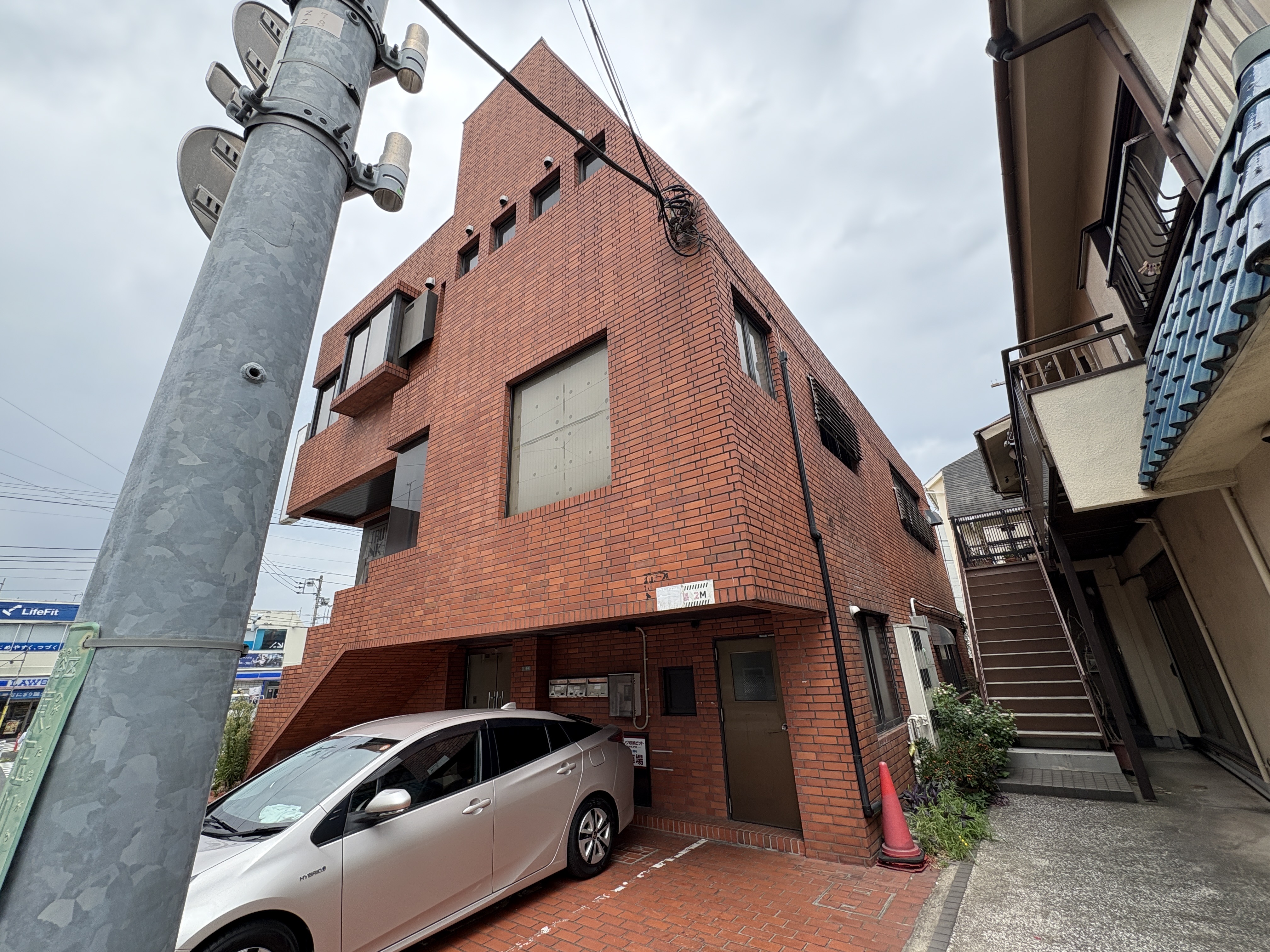
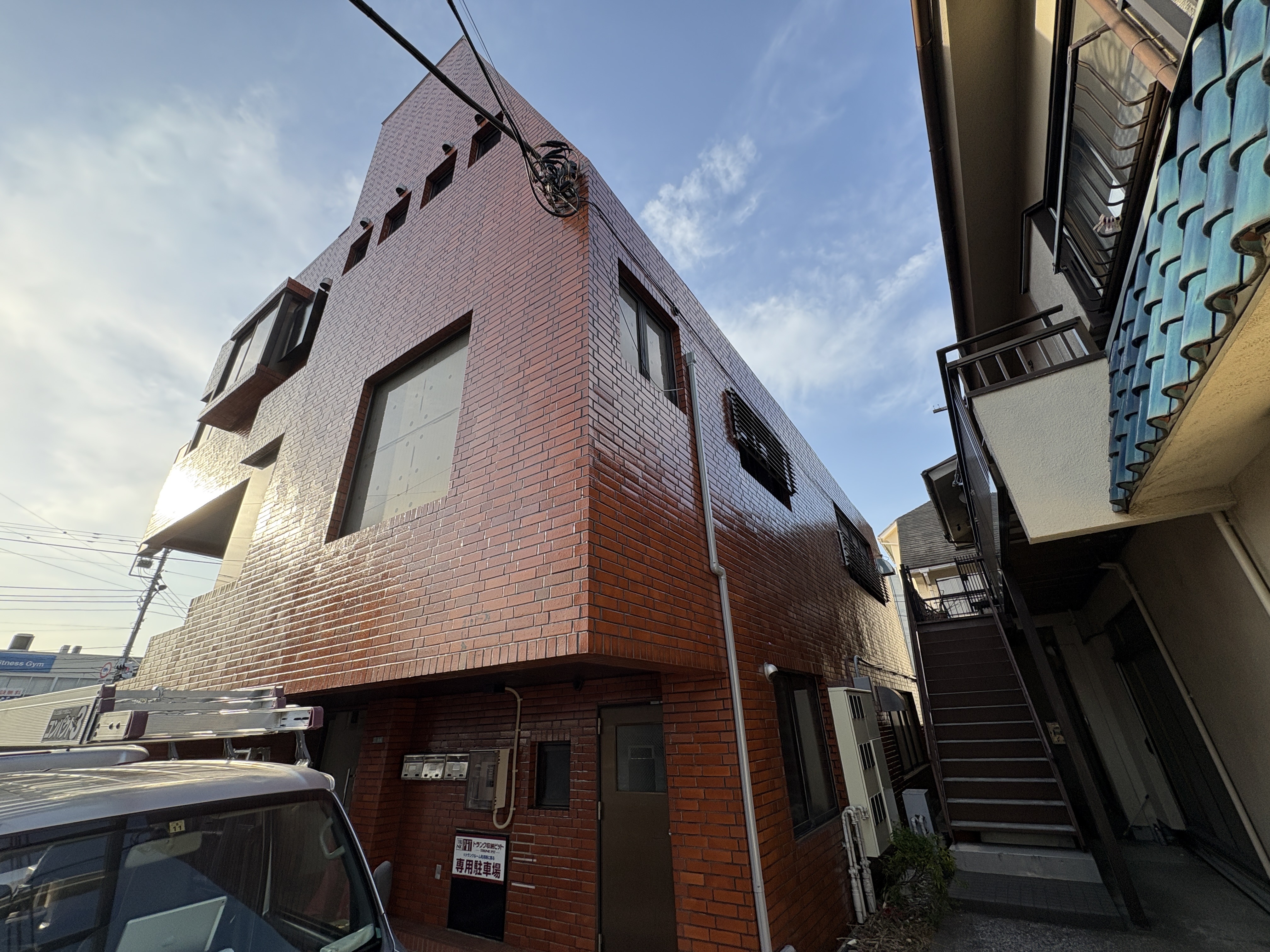
| Work Details | Partial tile replacement / Painting of ancillary parts (pipes, water drainage) / Rooftop waterproofing work (urethane waterproofing) / Exterior wall tile waterproofing (Seven S) / Sealing work around windows / Repair of exterior wall tile mortar joints / Ivy removal |
|---|---|
| New Materials Used | Exterior wall tiles: Kunishiro Tiles / Ancillary part painting: Radical silicone paint / Rooftop waterproofing: High-strength urethane (Sarasene A) / Exterior wall tile waterproofing: Seven S |
| Price Range | 4,000,000 to 4,100,000 JPY |
| Construction Period | 45 days |
| Location | Not disclosed |
| Background to the Work | Due to leaks occurring from several areas including the exterior walls and rooftop, we proposed waterproofing for the entire exterior wall. Seven S is a clear waterproofing material for tile walls, and while the cost is somewhat high, it is highly waterproof, making it recommended for cases where leaks are occurring from multiple areas of the exterior wall. |
Customer Feedback
Flow from On-Site Survey to Completion of Work
From the initial inquiry to the completion of the work and aftercare, a single representative will consistently handle your case. For management associations, a resolution at the general meeting is required, so it is advisable to start the process 1 to 1.5 years before the desired start date to allow for a smooth progression.
- Inquiry (Free) Please contact us via phone, form, or LINE. If you have estimates from other companies, just presenting those is fine.
- On-site Investigation & Building Diagnosis (Free) We will conduct a survey of the exterior walls, check for cracks, sealing, and waterproofing layers, and if necessary, investigate the rooftop, high places, and leak areas using drones or thermal imaging. For properties in Komae City, we will also check the site conditions, trees, road width, necessity of road occupation, distance from neighboring buildings, flood assumptions on the city’s hazard map, and delivery routes and parking.
- Submission of Investigation Report & Estimate We will provide a deterioration diagnosis report with photos and an estimate detailing quantities, methods, and materials for each work item. Multiple plans can also be proposed.
- Plan Decision & Contract Confirm colors through color simulations, paint samples, and trial painting. For management associations, we will assist in preparing materials for the general meeting. If procedures related to Tokyo’s landscape regulations or Komae City’s district planning and town development regulations are required, we will also explain the color considerations.
- Notification to Residents & Neighbors We will distribute construction notifications, visit neighbors to greet them, and set up a bulletin board at the entrance (with a schedule and laundry information). If temporary relocation of parking is necessary, adjustments will be made at this stage.
- Temporary Scaffold Installation to Various Works Our in-house scaffold team will set up the scaffolding, followed by high-pressure washing → substrate repair → sealing → exterior wall painting and tile repair → waterproofing → iron and ancillary parts in that order. A responsible person will inspect each stage and take construction photos.
- Completion Inspection, Scaffold Dismantling & Handover We will confirm the finish in the presence of the customer and provide construction photos, a report on the paint used, and a warranty.
- Aftercare We will send out annual DM notifications, allowing for yearly inspections. Simple repairs such as partial sealing are provided free of charge.
Resident Communication, Additional Work Approval, Inspection Reports
Equally as important as the construction itself is “when, what, and with what materials we report”. At Kakeru Koumuten, we will provide materials and reports in the following four situations.
| Situation | Materials Provided / Actions Taken |
|---|---|
| Before Construction Building Diagnosis |
We will provide a deterioration diagnosis report with photos. This document summarizes the deteriorated areas and the rationale for the proposed scope of work. |
| Before Construction to During Construction Notification to Residents & Neighbors |
We will distribute construction notifications, visit neighbors to greet them, and provide information on the schedule and laundry through the entrance bulletin board. |
| During Construction Approval for Additional Work |
Deterioration discovered after scaffolding is set up will be addressed by presenting photos, quantities, and costs for approval before proceeding with the work. |
| During Construction to Completion Inspection Report |
A responsible person will inspect each stage and take construction photos. Upon completion, we will confirm the finish in the presence of the customer and provide construction photos, a report on the paint used, and a warranty. |
* For management associations, it is smooth to decide in advance who will approve additional work (such as the chairman or repair committee) and the approximate amount that will require approval before signing the contract.
How will life be during construction? Impact on residents
Large-scale repairs are principally carried out while residents remain in their homes. However, there will be restrictions on daily life while scaffolding is in place. Most troubles can be prevented by providing prior notice, so Kakeru Koumuten is committed to thorough explanations and postings before construction.
| What will be affected | What actually happens / Our response |
|---|---|
| Laundry | On days of high-pressure washing, painting, and waterproofing, outdoor drying is not possible. We will inform you via bulletin board and each unit’s mailbox about “which side will be worked on today” and will ensure as many days as possible for drying. |
| Window opening and closing | In addition to washing and painting days, there may be times when windows cannot be opened during the preparation, drying, and waterproofing processes. We will provide information for each process, so please check the postings and notifications. We will schedule the work to avoid continuous closures. |
| Balcony | During floor waterproofing and handrail painting, we ask for temporary relocation of personal items, plants, and air conditioning outdoor units. The timing will be notified in advance for each unit. |
| Noise and Odor | The period of substrate repair (chipping and drilling) will be the noisiest. Work hours are generally from 8 AM to 5 PM, and we will accommodate requests such as refraining from work on Sundays and holidays. Low-odor paint options are also available. |
| Security and Privacy | Scaffolding can provide an entry route. We can take measures such as blocking sightlines with mesh sheets and installing locks and sensor lights on the scaffolding’s access stairs at night. We also thoroughly educate our workers on manners. |
| Parking | Vehicles on the side where scaffolding will be erected will need to be temporarily relocated. Since securing a new parking spot may take time, we will start securing a new location 2 to 3 months before construction begins. |
| Pets, Small Children, and Working from Home | If you have sensitivities to noise, please inform us in advance, and we may be able to adjust the work schedule accordingly. Please feel free to let us know. |
| Rented Rooms | We assist owners in creating notification documents for residents. If you are concerned about the impact of construction on occupancy rates, we can also propose a color simulation for an image change. |
How to Choose a Large-Scale Repair Contractor and Ordering Method
There are many large-scale repair contractors that cover the area of Komae City, Tokyo, and you may be unsure which one to choose. When requesting renovations for apartments, condominiums, or buildings, please confirm the following four points.
● Have extensive experience in large-scale repairs
● Confirm the presence of warranties and aftercare services
● Obtain estimates from multiple contractors (at least 3 companies)
● Confirm whether they are self-managed
Have Extensive Experience in Large-Scale Repairs
Large-scale repair contractors often have websites that showcase their exterior renovation achievements. If they provide detailed explanations of repair contents with photos, it gives peace of mind as a reference when actually requesting work.
Using ratings from Google and review sites can be effective when comparing large-scale repair contractors!Be cautious if there are many negative reviews. If there are few reviews, also check the construction track record, the content of the explanations, and the management system.
Large-scale repair work can lead to troubles not only with the construction itself but also with residents and neighboring residents, so it is necessary to post updates on the progress of the work and information about laundry on bulletin boards to prevent issues before they arise. Kakeru Koumuten Co., Ltd. specializes in exterior work, so we receive many requests for exterior renovations of apartments and condominiums.
Check for warranties and aftercare services
When choosing a large-scale repair company, make sure to check for the presence of a warranty. If any issues such as leaks occur after the work is completed, having a leak warranty from the contractor ensures that repairs can be made at no cost, providing peace of mind! A company that offers a warranty is a sign of confidence in their work, which can also serve as a criterion for selecting a contractor.
Warranty periods vary by contractor and type of work, but typically range from 1 to 10 years. Emergency repairs or partial repairs often do not come with a leak warranty. Some contractors also offer aftercare services separate from warranties, so be sure to check for warranties and aftercare services.
At Kakeru Koumuten Co., Ltd., we send out annual direct mail for aftercare maintenance, allowing for yearly inspections. We also provide simple repairs such as partial sealing at no charge.
Obtain estimates from multiple contractors (at least 3 companies)
When requesting large-scale repairs, be sure to obtain estimates from multiple contractors. It is important to get estimates from at least 3 companies and compare their estimates and reports! Even for the same work, costs can vary between contractors, and warranties and aftercare services may differ. Additionally, obtaining multiple estimates makes price negotiations easier.
When comparing estimates, consider not only the cost but also the “items in the estimate,” “methods and materials for substrate repair and exterior wall painting,” and “confirmation of the process”, and make detailed comparisons! If the quality of the auxiliary materials is low or if processes are skipped, costs can be reduced, so avoid making decisions based solely on price. Especially since substrate repair work can be difficult to assess from appearance alone, ensure that the repair methods are suitable for the condition of the substrate!
Check these points on the estimate (checklist)
| Confirmation Items | Points to Consider |
|---|---|
| Is there an excessive use of “one set” notation? | Are the quantities and unit prices clearly stated? With “Exterior Wall Repair One Set,” comparisons and verifications cannot be made. |
| Do the quantities match the actual measurements? | Are there quantities recorded that are far from the drawings or actual measurements? This is the area where inflation is most likely to occur. |
| Proportion of miscellaneous expenses | Details and proportions of site management costs, general management costs, statutory welfare costs, etc. According to the Ministry of Land, Infrastructure, Transport and Tourism’s survey for the fiscal year 2021, the average is about 10% of the construction cost (excluding common temporary costs), but this varies depending on the scale and conditions of the building, so there is no uniform standard. |
| Are the names of the materials written? | Are the manufacturer names, product names, grades, and number of coats for paints and waterproofing materials specified? |
| Treatment of the quantity for substrate repairs | This is an item that cannot be accurately measured until scaffolding is set up. Is it stated whether it is “estimated quantity” or “actual quantity settlement,” and are there agreements for increases or decreases? This is the most important point. |
| Warranty and after-inspection | Warranty period for each construction, frequency of inspections, and scope of free support. |
| Company backing | Types of construction industry licenses, track record of similar scale and structure, presence of qualified personnel. |
Confirm if it is managed in-house
Large-scale repair work includes various tasks such as “substrate repair work,” “exterior wall painting,” “waterproofing work,” and “pipe replacement,” and the plan content will change based on the actual deterioration state and customer preferences.
Contractors that completely outsource to subcontractors may lack knowledge and experience, leading to proposals for repairs in irrelevant areas or meaningless work. If you investigate and then request a subcontractor, it may incur additional time and costs. By having knowledge and experience and managing in-house, responsible construction at reduced costs becomes possible.
Additionally, contractors that outsource may also be slow to respond in case of any troubles during construction. It is safer to avoid having a company that has not actually met with the customer manage the construction. Kakeru Koumuten performs everything from temporary scaffolding setup to exterior wall painting and waterproofing work in-house, with knowledgeable and experienced personnel managing the construction!
There are three ordering methods. The choice affects how the process proceeds.
Especially for management associations, it is necessary to decide “how to request” before “which company to hire.” The main ordering methods are the following three.
| Method | Procedure | Advantages | Disadvantages |
|---|---|---|---|
| Responsible Construction Method | The construction company handles investigation, design, construction, and management all at once | No additional costs for commissioning design consultants (investigation and design costs may be included in the construction costs) / Single point of contact reduces the burden on the management association / Responsibility is clear / May shorten the period until ordering | Specifications can easily be left to the construction company, making it difficult to compare side by side / Third-party checks are hard to implement, requiring the management association to verify price, specifications, and construction status |
| Design Supervision Method | A design office or consultant conducts investigation and design, while a separate company handles construction | Allows comparison of construction companies under the same conditions / Independent supervision during construction | Consulting fees are required separately / Caution is needed regarding conflicts of interest and collusion risks / Tends to prolong the duration |
| Management Company Prime Contract Method | The management company acts as the prime contractor, with subcontractors performing the construction | Easy coordination with daily management / Minimal effort required from the management association | Intermediate margins can make it more expensive / Competition principles may not apply |
Collusion and Inappropriate Consulting Issues in Large-Scale Renovations and Self-Defense Measures
Latest 2026 In the large-scale renovation industry, inappropriate orders linked between design consultants and construction companies have long been a concern. The Ministry of Land, Infrastructure, Transport and Tourism issued warnings and notifications to management associations in January 2017 and April 2023, and on September 28, 2026, the Japan Fair Trade Commission announced that it had issued exclusion orders to 38 companies and a total of 1.63788 billion yen in payment orders to 37 companies regarding large-scale renovation work commissioned by condominium management associations in the Kanto region to design consulting firms (two design consulting firms were also subject to exclusion orders).
※Based on the announcement by the Japan Fair Trade Commission (September 28, 2026).
Three Typical Methods
① Dummy Estimates
Prior to placing an order, companies are decided in advance, and other companies only provide formal high estimates, creating a “fixed race.” It appears to the management association that they have “properly obtained multiple estimates.”
② Collusion with Design Supervisors
Consultants contract at extremely low design supervision fees while receiving kickbacks from the high construction costs of partnered construction companies. Be cautious of design supervision fees that are too low.
③ Back Margin
A certain percentage of the contract amount is given as a kickback, which is then added to the construction costs as expenses. As a result, the management association ends up paying more.
Self-Defense Measures for Management Associations
- Obtain independent estimates from multiple companies
- Consult with neutral third parties such as condominium management professionals or architects
- Document the vendor selection process in meeting minutes to ensure transparency
- Confirm the reasons for unusually low consulting fees
- Include a penalty clause in the contract for cases of collusion
- Avoid concentrating information with a single consultant and verify specifications by the management association itself
Frequently Asked Questions about Large-Scale Repairs in Komae City, Tokyo
- How much does large-scale repair in Komae City, Tokyo cost?
- For condominiums, according to the Ministry of Land, Infrastructure, Transport and Tourism’s survey for the fiscal year 2021, about 70% of cases fall within the range of 750,000 to 1,500,000 yen (excluding consumption tax and common temporary construction costs), with the most common amount being between 1,000,000 and 1,250,000 yen. Based on our company’s construction records, the cost for a two-story wooden apartment ranges from 2,000,000 to 4,000,000 yen, for a three-story steel or RC apartment from 4,000,000 to 9,000,000 yen, and for small condominiums or mixed-use buildings from 5,000,000 to 15,000,000 yen. The costs vary depending on the condition of the substrate and whether waterproofing or roofing work is required, so we will provide an estimate through a free on-site survey.
- How often should large-scale repairs be conducted?
- Generally, a cycle of 12 to 15 years is recommended, and the actual cycle is most commonly 13 years according to the Ministry of Land, Infrastructure, Transport and Tourism’s survey, with about 70% falling within the 12 to 15-year range. However, the decision should be based on the condition of deterioration rather than just the number of years. If there are signs of deterioration in sealing, tile lifting, or breaks in the waterproof layer, it is advisable to carry out repairs without waiting for the cycle, as this can ultimately reduce costs. The number of condominium buildings in Komae City and their breakdown by age could not be confirmed from the city’s public documents. Generally, buildings aged 26 to 35 years enter their second or third round of repairs, focusing on waterproof layer and sealing replacement, as well as equipment updates. For buildings over 36 years old, updates to water supply and drainage pipes are necessary, and for buildings constructed under the old seismic standards (before May 31, 1981), consideration of seismic diagnosis is also required. The city provides support for seismic advisors, seismic diagnosis, reinforcement design, and reinforcement renovations for condominiums that received building confirmation before May 31, 1981. Since conditions vary by building, decisions will be made based on on-site surveys and long-term repair plans.
- How long does the construction period take? Can residents stay during the work?
- For apartments, the construction period is approximately 3 weeks to 2 months, for small condominiums or buildings it is about 1.5 to 3 months, and for condominiums with more than 50 units, it takes around 4 to 6 months. Residents can remain in their homes during the construction. However, while scaffolding is in place, there will be restrictions on drying laundry outside and opening windows, so we take thorough measures to minimize the impact on daily life, including distributing advance notices, providing information on the schedule and laundry through bulletin boards, and strictly adhering to working hours.
- How long should we expect from the start of planning to the completion of construction?
- For management associations, the process from establishing the repair committee, building diagnosis, selecting contractors, to the general meeting resolution typically takes about 1 to 1.5 years, followed by 3 to 6 months for construction. Overall, it is advisable to plan for about 2 years to allow for a smooth progression. If you are using subsidies or tax incentives, obtaining management plan certification (resolutions at the general meeting, prior confirmation, certification application) will also take time, so please factor this into your timeline.
- Are there any subsidies available for large-scale repairs in Komae City, Tokyo?
- Based on the information available on Komae City’s official page, there does not appear to be any city program that subsidizes the construction costs or deterioration diagnosis costs for large-scale repairs of condominiums (as of October 15, 2026. Please confirm with the city’s Urban Development Division, Housing Section for the final details). The city provides information on the condominium management plan certification system (city-certified) and subsidies for seismic advisors, seismic diagnosis, reinforcement design, and reinforcement renovations for condominiums that received building confirmation before May 31, 1981 (the application period for fiscal year 2026 is until December 15). The reduction of fixed asset tax (Condominium Longevity Promotion Tax System) is a national program that applies to construction completed by March 31, 2027. According to the city’s management plan certification page, the reduction rate for Komae City is stated to be one-third. Please confirm the reporting destination and forms with the Tax Division, Fixed Asset Tax Section (03-3430-1213). Consideration should also be given to loans from the Japan Housing Finance Agency and Tokyo’s “Condominium Improvement Construction Subsidy” (interest subsidy; the second phase for fiscal year 2026 is accepting applications until February 19, 2027). The city’s “Global Warming Countermeasures Equipment Introduction Subsidy” includes common areas of condominiums as eligible for management associations, targeting high-insulation windows, solar control films, and high-reflectivity coatings, but applications closed on September 8, 2026, after reaching the budget limit. Additionally, if the work includes windows and insulation, it may be eligible for national programs like “Advanced Window Renovation 2026,” “Mirai Eco Housing 2026,” and Tokyo’s existing housing energy-saving renovation promotion project. The application timing and applicants differ by program, so please confirm the eligibility conditions and application procedures for each program before contracting and starting construction.
- I heard that fixed asset tax decreases with large-scale repairs; is that true?
- 外壁の色は自由に決められます。お客様の好みに合わせて、さまざまな色から選択できます。色見本を用意しておりますので、実際にご覧いただきながらお選びいただけます。色の選定は建物の印象を大きく左右しますので、慎重にお選びください。翔工務店では、色選びのアドバイスも行っておりますので、お気軽にご相談ください。Yes, you can request emergency repairs for leaks. We can provide temporary solutions to prevent further damage until a permanent fix can be arranged. Please contact us for more details and to schedule a visit.Yes. As a preliminary step before large-scale repairs, we also accept requests for emergency measures for leaks and partial repairs. We identify the cause using thermography and drones, and propose the minimum necessary repairs.
- Can you handle roofing materials and exterior wall materials that contain asbestos?
- Yes, we can. We have qualified personnel, including asbestos work supervisors and building material surveyors, who are certified to conduct the mandatory pre-surveys required by law, as well as to perform cover methods and removal of asbestos-containing roofing materials. According to the official page of Komae City, there was no indication of municipal subsidies for asbestos surveys or removal work as of October 15, 2026. For reporting the results of pre-surveys and notifications regarding dust prevention, buildings with a total area of less than 2,000㎡ should contact the Environmental Policy Division, Environmental Section (03-3430-1287) of the city, while those with 2,000㎡ or more should contact the Tokyo Tama Environmental Office, Environmental Improvement Section, Air Section (042-523-0238). Please confirm this during the planning stage of the construction.
- What happens if large-scale repairs are not done?
- There are risks such as personal injury from falling exterior wall tiles, structural deterioration due to corrosion of rebar, leaks, and a decrease in asset value. Furthermore, for buildings subject to periodic reporting under Article 12 of the Building Standards Act, investigations through full tapping and other methods are required under certain conditions, such as when more than 10 years have passed since completion or exterior wall renovations for tiled or mortar-finished walls. The periodic reporting for buildings in Komae City is managed by the Tokyo Tama Building Guidance Office, not the city. Conditions such as applicable uses and scales, as well as the number of floors or floor area that qualify as multi-family housing, can be confirmed in the periodic reporting target list or at the relevant office in Tokyo. Complex buildings including stores, restaurants, hospitals, and hotels may also be subject to these requirements depending on their use and scale, so individual confirmation is necessary. Even if not subject to statutory investigations, regular inspections and maintenance are essential, so please consult us if you are unsure.
- How much does large-scale repair for an apartment (about 10 units) cost?
- For a wooden two-story building with 6 to 10 units, the estimate is between 2,000,000 and 4,000,000 yen, and for a three-story steel or RC building with 10 to 20 units, it is between 4,000,000 and 9,000,000 yen based on our company’s past performance (including scaffolding, substrate repairs, exterior wall painting, sealing, and waterproofing). It is common for apartments to undergo repairs every 10 to 15 years. For owners, there is an increasing trend to change the appearance through color simulations during repairs to improve occupancy rates.
If you are looking for a large-scale repair contractor in Komae City, contact Kakeru Koumuten
Our company handles exterior wall renovations and large-scale repairs for condominiums and apartments throughout Kanagawa Prefecture and Tokyo, including Komae City. We are happy to assist not only with large-scale repair work but also with partial repairs and leak repairs. “I want it to last long with one renovation” “I want to keep costs down as much as possible” “I want to improve insulation performance because the indoors are hot” We will propose the best solutions for your specific requests and future repair plans.
From temporary scaffolding work to roofing and exterior wall painting, all work is performed by our own team. We are confident that we will not be outdone by others in terms of cost, quality, and planning, so we welcome comparison estimates!
On-site surveys, estimates, and color simulations are all free
Please feel free to consult us via the inquiry form, phone, or LINE.
It is also fine to just present estimates from other companies.
Areas Covered for Large-Scale Repair Work
Kakeru Koumuten accepts requests throughout Kanagawa Prefecture and Tokyo.
Izumi Honcho / Inokata / Iwato Minami / Iwato Kita / Komai Cho / Naka Izumi / Nishi Izumi / Nishi Nogawa / Higashi Izumi / Higashi Nogawa / Moto Izumi
・When should large-scale renovations be carried out? Explanation of the optimal timing and risks of postponement!
・Estimates are essential when conducting large-scale renovations! Introducing comparison points and precautions!
・5 common troubles in large-scale renovations of condominiums! Thorough explanation of causes and prevention measures!
・What is waterproofing work in large-scale renovations? Thorough explanation of roles, signs of deterioration, and precautions!
・Insufficient funds for large-scale renovations… Explanation of how to deal with funding shortages and preparations you can do right now!
・What is the important substrate repair in large-scale renovations? Thorough explanation of necessary reasons, signs of deterioration, and types of work!
・What is sealing work in large-scale renovations? Introduction of roles, methods, and tips for avoiding failures!
・What is the important tile repair in large-scale renovations? Explanation of signs of deterioration, types of work, and cost averages!
・What is the important exterior wall painting in large-scale renovations? Thorough explanation of necessity, signs of deterioration, and cost averages!
・For exterior renovations in Komae City, Tokyo, leave it to Kakeru Koumuten!
・For roof renovations in Komae City, Tokyo, leave it to Kakeru Koumuten!
・For exterior wall painting in Komae City, Tokyo, leave it to Kakeru Koumuten!
Consultations via LINE are also welcome◎

We are also updating our Instagram regularly ◎ Please follow us!
contact Kakeru Koumuten Co., Ltd.
Kakeru Koumuten is a young company whose team is, on average, in their late twenties, but our skills are second to none.
Our greatest strength is that we handle scaffolding, roofing and painting entirely in-house. In an industry where these tasks are usually divided among contractors, our complete service simplifies project management and helps keep costs down. Above all, if a problem arises, we respond promptly.
We proudly describe ourselves as the youngest and most helpful renovation company in Kanagawa!