Paint for Outdoor Structures: How to Choose and Avoid Mistakes | Kakeru Koumuten

Hello! This is Kakeru Koumuten Co., Ltd.!

In this article, we will introduce exterior painting!
Are you facing issues like noticeable dirt or fading colors on your exterior?
We will also introduce useful information and materials used for exterior painting!
What is Exterior?
Some people may refer to exterior as "exterior".
First, let me explain the meanings of exterior and exterior!
Exterior
Exterior is a term that contrasts with interior. Interior refers to items within the home (such as tables and chairs). Conversely, exterior refers to the space and environment surrounding the house.
It is a term that encompasses the impression of the area around the house.
Exterior Works
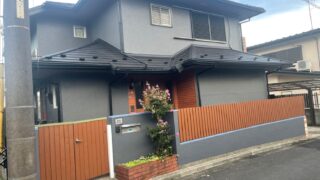
Exterior works refer to elements that make up the outer perimeter of the house, such as gates, carports, and fences.
In other words, exterior works consist of items placed outside the house and various maintained elements.
While exterior works refer to the fences and walls themselves, exterior encompasses the atmosphere and space of the exterior works!
Types of Exterior Painting
Block Walls
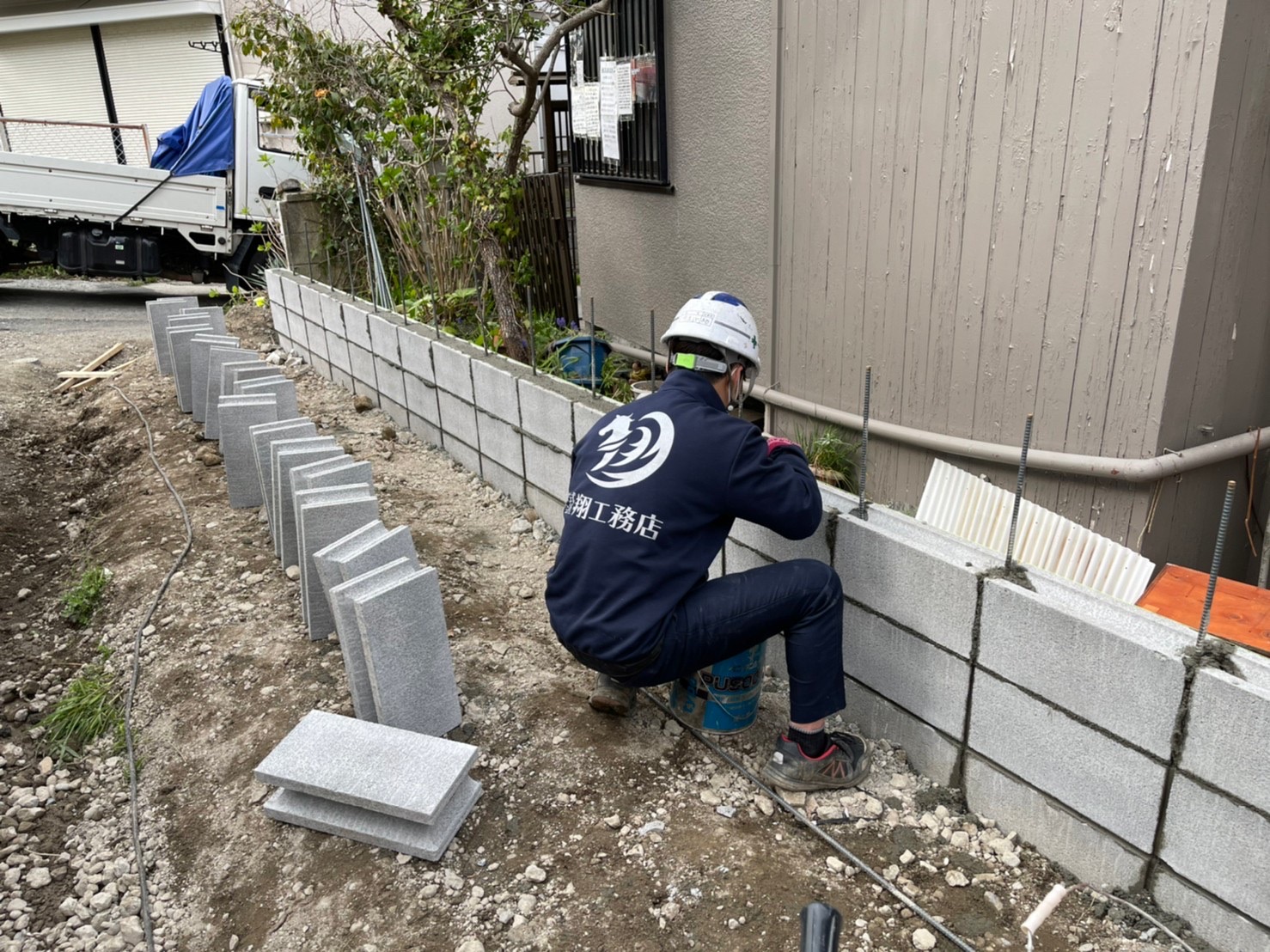
Block walls, often seen in urban areas, excel in fire resistance and durability.
However, since they are built directly on the ground, moisture from the ground and rainwater can easily seep in through the rough surface, leading to frequent moisture exchange.
When painted from above, rainwater that has seeped in can get trapped between the block and the paint, often causing the paint to peel off.
Additionally, if moisture is retained, it can lead to the growth of moss and other issues.
The lifespan of paint on block walls is relatively short, ranging from 3 to 5 years.
Concrete Walls
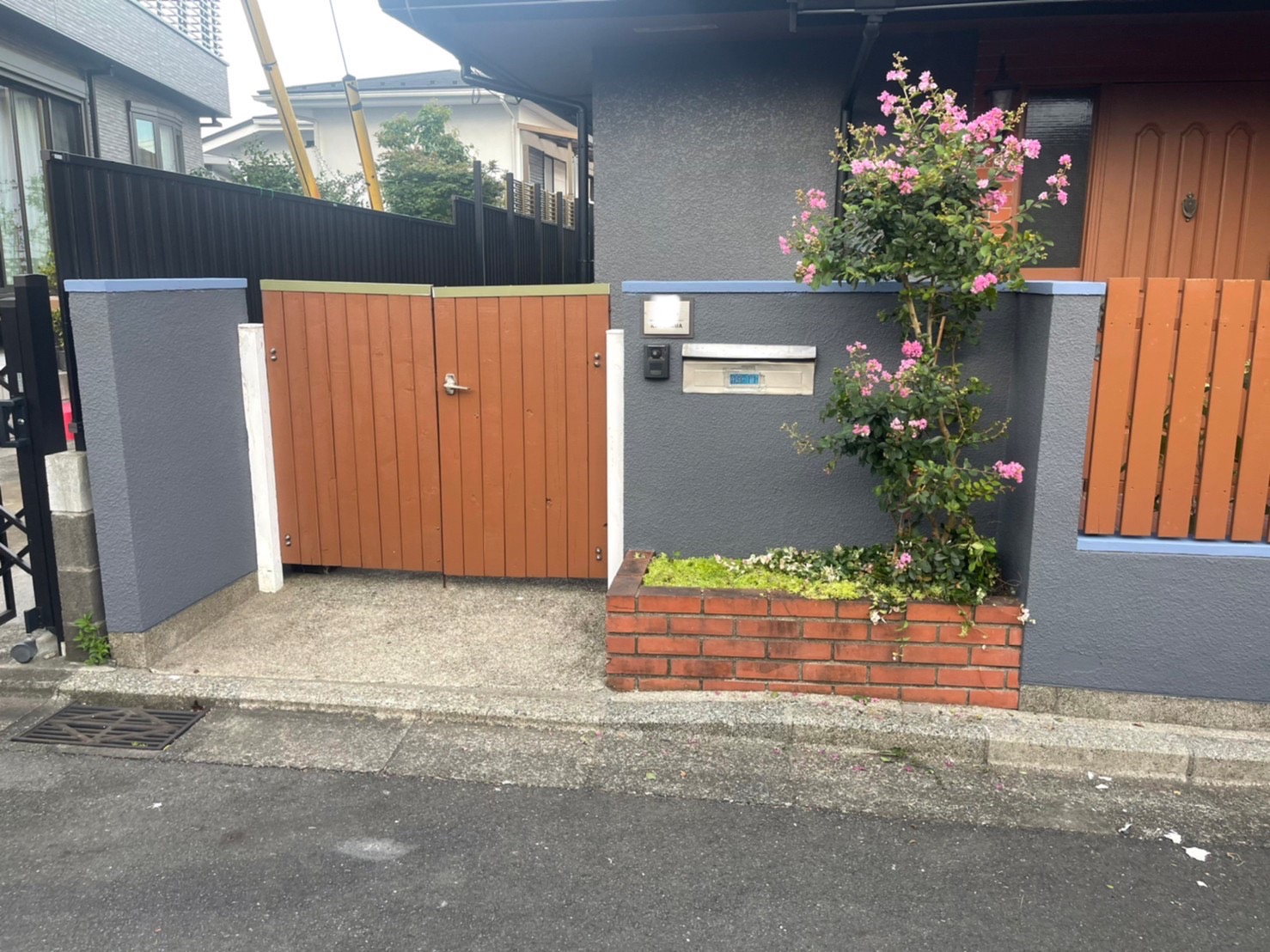
Compared to the block wall mentioned above, concrete walls do not absorb water as much, making it less likely for the paint to peel off, thus lasting longer than block walls.
Although it lasts longer, the durability depends on the type of paint used, but it generally lasts about 10 years.
If only a water repellent is used, it lasts about 5 to 7 years!
If you’re going to paint, you want it to last as long as possible.
It’s beneficial to know which paints are suitable for block and concrete walls.
Wood Parts
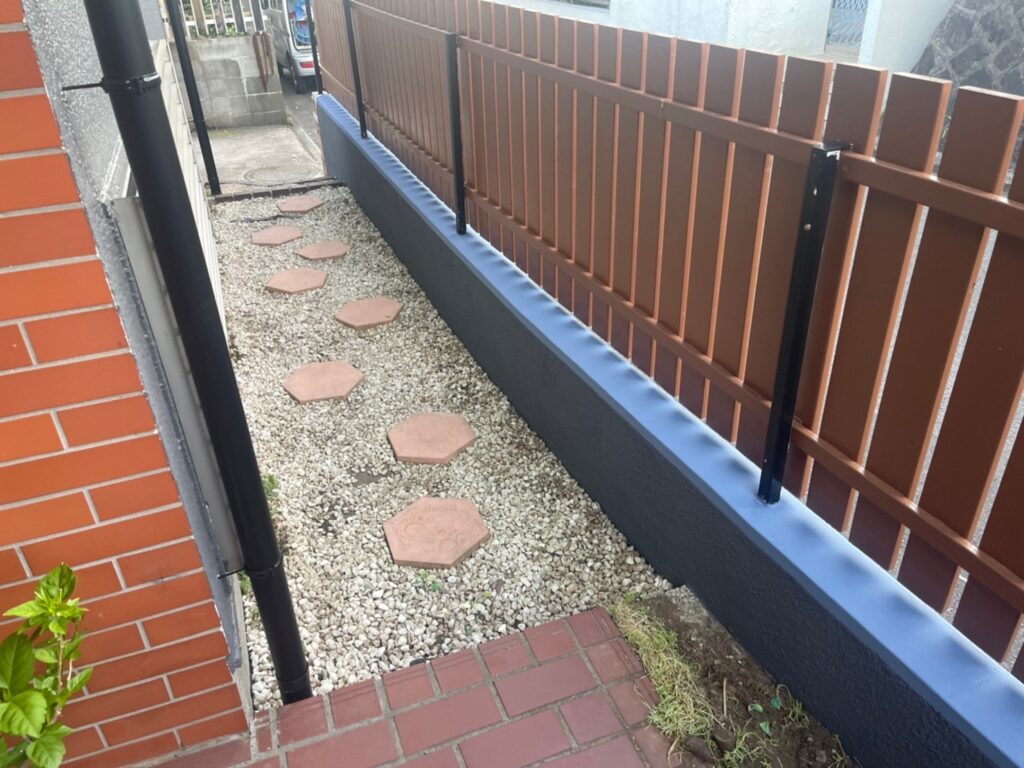
Wood has a moisture regulation function (it absorbs moisture when humidity is high and releases moisture when humidity is low), making it prone to decay, and prolonged dry conditions can cause the paint to crack.
Outdoor wood parts deteriorate more noticeably than indoor ones, and the type of paint used varies depending on the degree of damage. Therefore, it can be difficult to judge, so choosing the most suitable paint is key!
Gates (Fences, etc.)
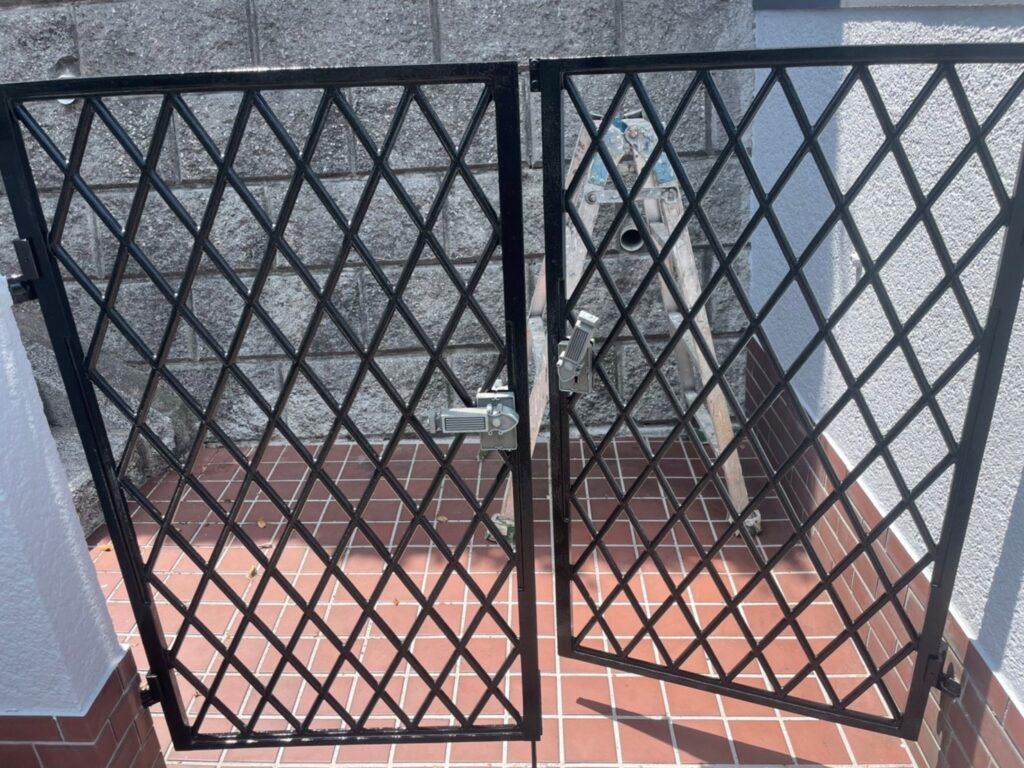
The paint used for gates varies depending on the materials used.
The iron parts of gates and fences that are commonly seen can quickly give an old appearance to your home if rust develops.
To prevent rust caused by rainwater on metal siding materials and galvanized iron, it is essential to protect the surface of the iron parts with paint.
If you can address rust before it appears, take action immediately!
Points for Choosing Paint
There are many types of paint available. Using paint that matches the material can enhance durability. Here are some points to consider when choosing paint.
Block Walls / Concrete Walls
The deterioration of exterior paint, as explained above, occurs when rainwater infiltrates the concrete from the ground and the surface, causing moisture to accumulate between the wall and the paint film.
As a result, this moisture tries to escape, leading to swelling of the paint film, which causes peeling.
Here are the key points for the paint used!
・Choose water-based paint instead of oil-based paint
・Select paint with excellent moisture permeability
・Choose paint that is compatible with block and concrete walls
・To prevent swelling and peeling, choose matte paint
・Using micro-elastic fillers or surfacing undercoats for the primer is NOT ALLOWED!!
Our company uses International Paint’s Youheki Coat to prevent the paint film from swelling.
This is a paint that prevents the most common troubles in exterior painting, such as swelling and peeling!
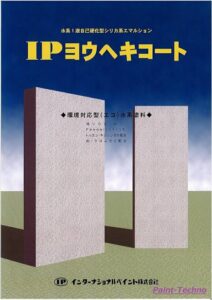
IP Youheki Coat maintains the aesthetics of retaining walls, residential foundations, and block walls for a long time due to its excellent adhesion, water resistance, moisture permeability, weather resistance, and stain resistance!
This is a special paint for mortar and concrete substrates, ideal for retaining walls, residential foundations, and block walls that are particularly prone to swelling and peeling due to moisture impact!
After properly adjusting the substrate (crack repair and sanding), we use cationic sealers for the primer!
Wood Components
For the primer on wood components, we use paint that has excellent adhesion to wood materials!
The texture of wood varies depending on the type. There are also coloring preservatives and matte paints that take advantage of this, and we often decide based on consultation regarding the intended use.
For example, if you want an insect and rot-resistant finish, oil-based paint is preferable, while water-based paint tends to look cleaner. However, water-based paint is more prone to peeling. We cannot recommend it unless the contractor performs proper substrate treatment.
Always use a primer specifically designed for wood components!
A common pattern for us is to use “Suzuka Fine/Wide Urethane for Wood” as the primer, followed by “Rock Paint/Yume Lock” for the middle and top coats!
Damaged wooden eaves and fences tend to absorb the middle and top coat paint unevenly, but by applying a primer, the durability and finish will be significantly improved!
Gates
First, we use rust-proofing materials for metal components. Rust-proofing is essential when painting metal parts!
Paint is susceptible to UV radiation, which accelerates degradation. Therefore, it is advisable to choose high-weather-resistant paint for gates (fences, etc.) exposed to sunlight.
It is important to perform rust removal (sanding) before painting!
Timing for Repainting
Block Walls and Concrete Walls
Block walls and concrete walls first show signs of fading.
After that, you may notice chalking (a phenomenon where pigments in the paint appear as a white powder) and fine cracks forming on the surface of the paint.
If such deterioration is left unattended, the concrete itself will degrade.
This can lead to cracking or chipping.
If you notice fading, it might be a good idea to regularly check for chalking.
If you are concerned about rain drips, installing a cap can be effective!
We also have an article that explains the chocking phenomenon in detail.
Please take a look!
Wood Components
Wood is susceptible to damage from UV rays and rain, and if regular maintenance is postponed, it can lead to deterioration of the wood itself, resulting in situations where maintenance alone is insufficient.
In such cases, it may be necessary to replace the wood itself, incurring additional costs.
If you notice fading, discoloration, or moss on the wood, it is a sign that repainting is needed.
Gate
As discoloration from UV rays begins, deterioration progresses, eventually leading to the onset of the chocking phenomenon.
If left unattended and deterioration continues, rust will eventually occur. Once rust develops, it will spread to the surrounding areas, leaving no option but to grind it away.
Before that happens, when you notice the chocking phenomenon starting, it is time to repaint.
What to Do to Avoid Mistakes in Exterior Painting Work
Just like roof repairs, once exterior work is done, it can be difficult to redo it. The exterior is the part of the house that makes the first impression.
Moreover, it is something you will see for many years, even decades, after the work is completed.
In that case, you definitely want to avoid making mistakes.
To prevent that, here are some points you should know!
1. Check the contractor’s track record before requesting exterior work
Every contractor has their strengths and weaknesses.
We recommend choosing a contractor that specializes in the type of work you need.
Most contractors often showcase their past achievements on their company website, so be sure to check their site before making a request to see what type of work they excel in.
There is no knowledge that surpasses experience!
We also have an article summarizing how to choose a contractor without making mistakes!
If you would like, please take a look!!
2. About Color Selection
When it comes to exterior painting, the color scheme is a significant concern. There can sometimes be a discrepancy between the color you have in mind and the color you communicate to the contractor.
To avoid this, we propose a color simulation for customers who wish to use it!
However, even with thorough preparation, the color seen in sunlight and the color seen in shade will differ, so be sure to confirm this with your contractor!
3. Understanding the Construction Process
Painting is not something that can be completed in one go.
Generally, it starts with high-pressure washing and surface preparation, followed by masking, primer, intermediate coat, and topcoat. If you are unaware of the construction process, you may not be able to distinguish between reputable and unscrupulous contractors.
Just knowing the steps will help you identify any shortcuts taken by the contractor, so
we will introduce the construction process along with photos of our completed projects!
Order of Exterior Painting Work
First, let us introduce the basic flow of exterior painting work!
1. High-Pressure Washing
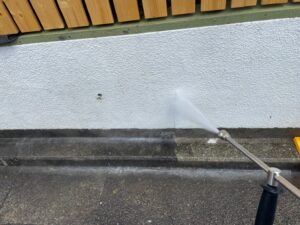
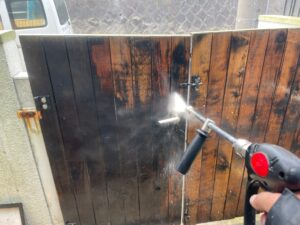

Through high-pressure washing of the exterior walls, we thoroughly remove dirt and moss!
2. Surface Preparation for Wood
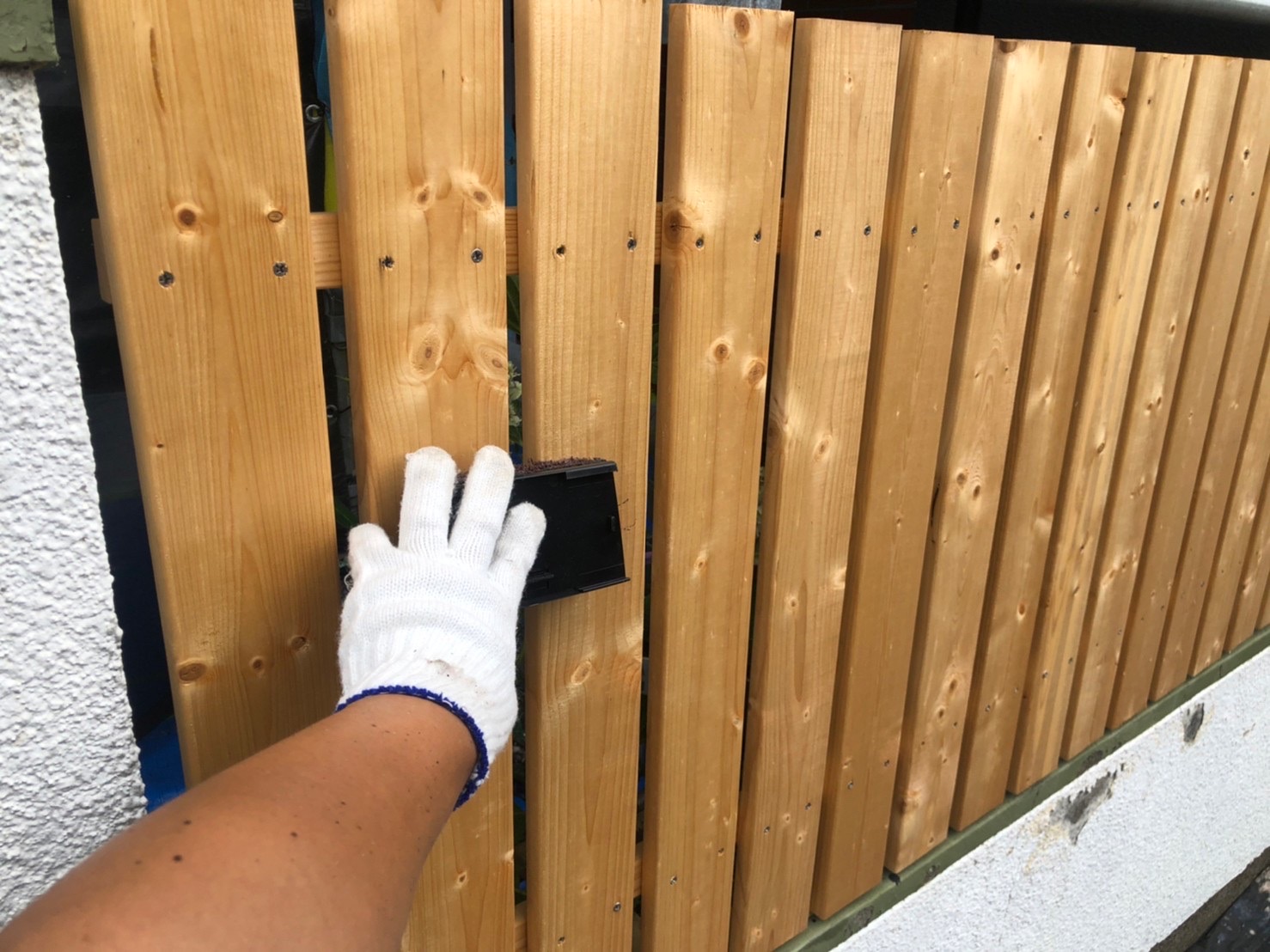
First, we will start with the surface preparation of the wooden parts. We will sand it down to make the surface smooth. If the surface is uneven, the finish will not look good!
3. Primer
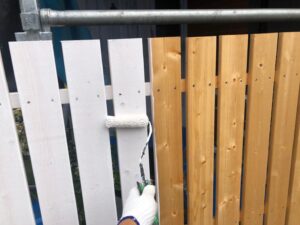
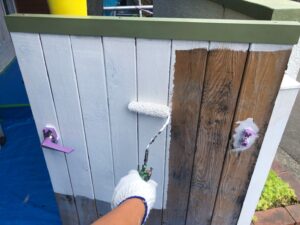
4. Middle Coat
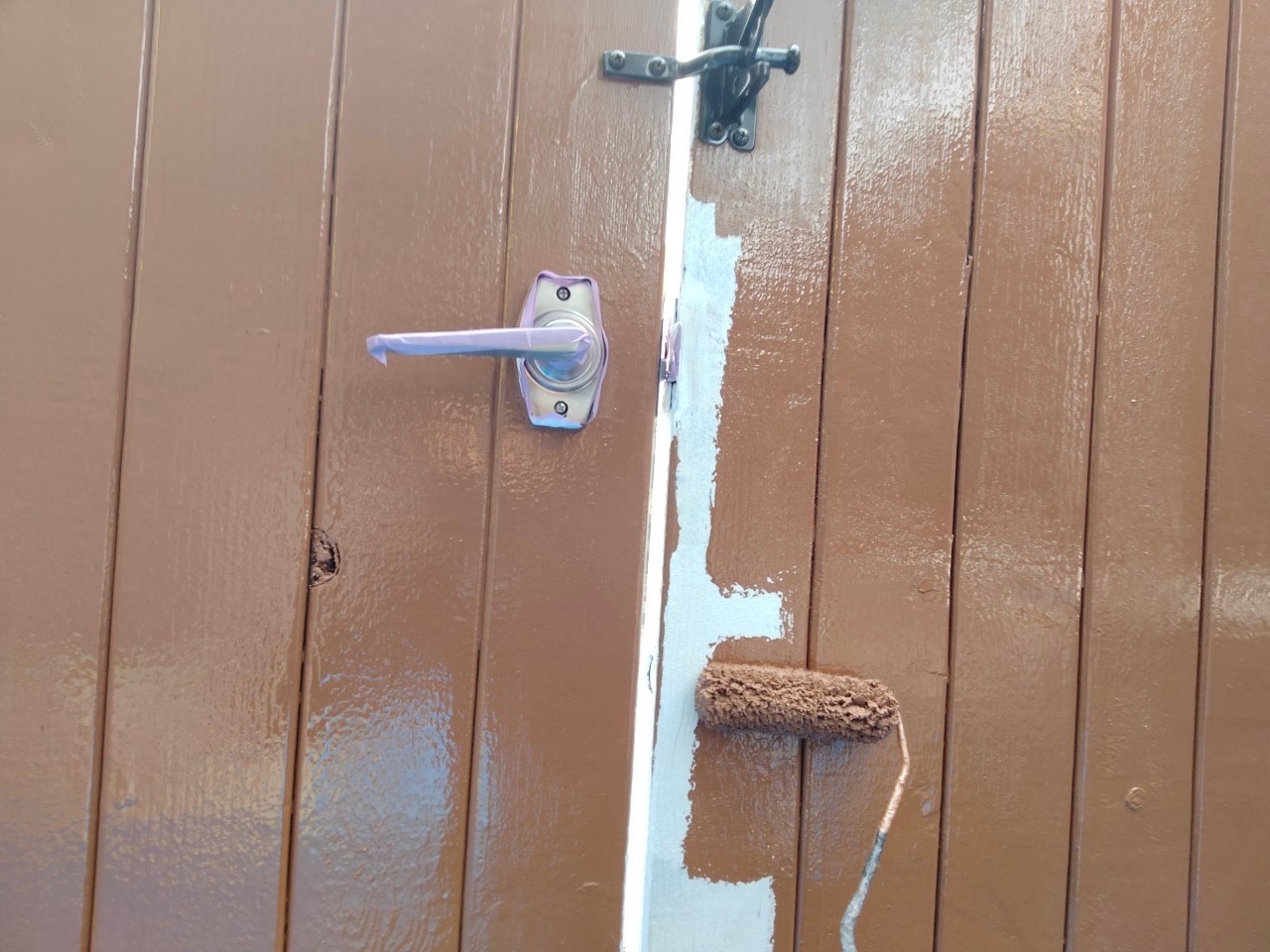
5. Top Coat
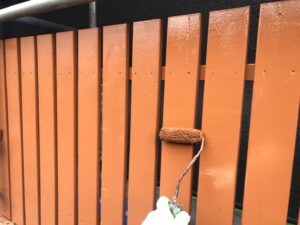
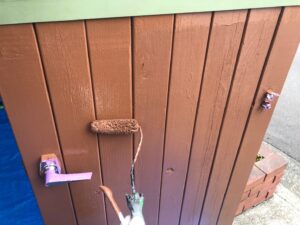
This will be the finish for the
6. Protection of Each Area
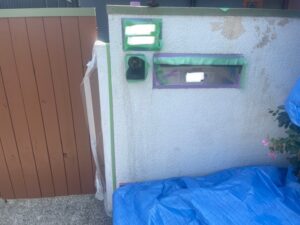
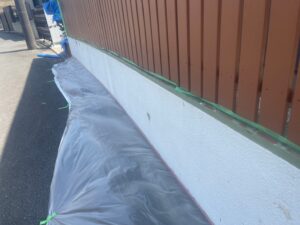
We will use masking tape, blue sheets, and polymer tarps to protect areas such as windows, sashes, and floors that will not be painted. This is a very important task in the painting process! If protection is neglected, gaps can form, allowing paint to seep in, or clean lines may not be achieved. [/chat]
7. Exterior Cap Painting
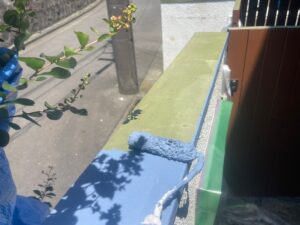
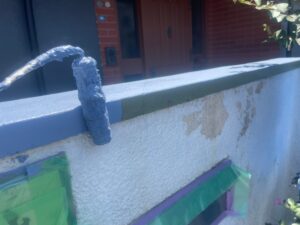
First, we will paint the cap section of the exterior! [/chat]
8. Primer Application
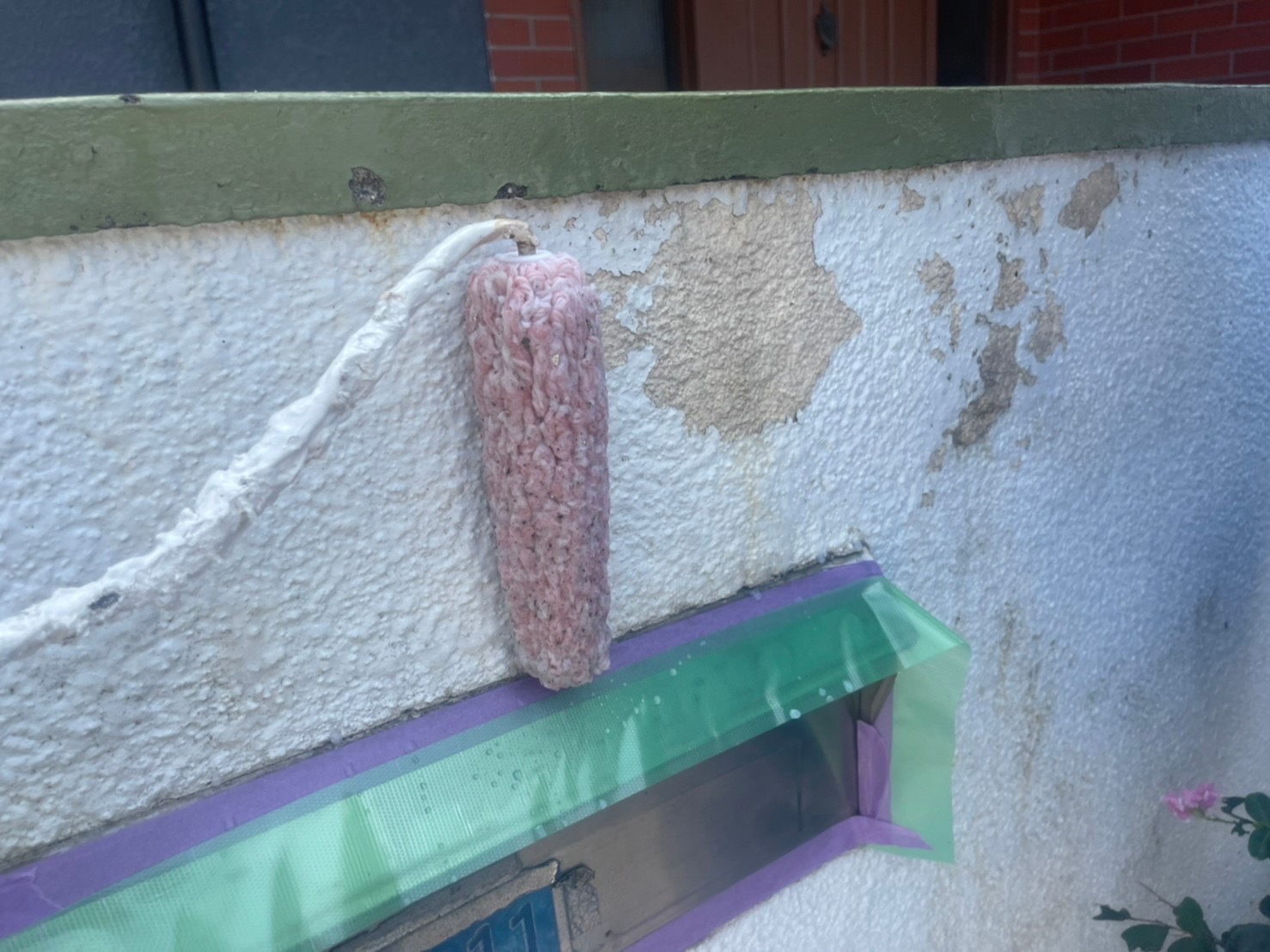
9. Middle Coat
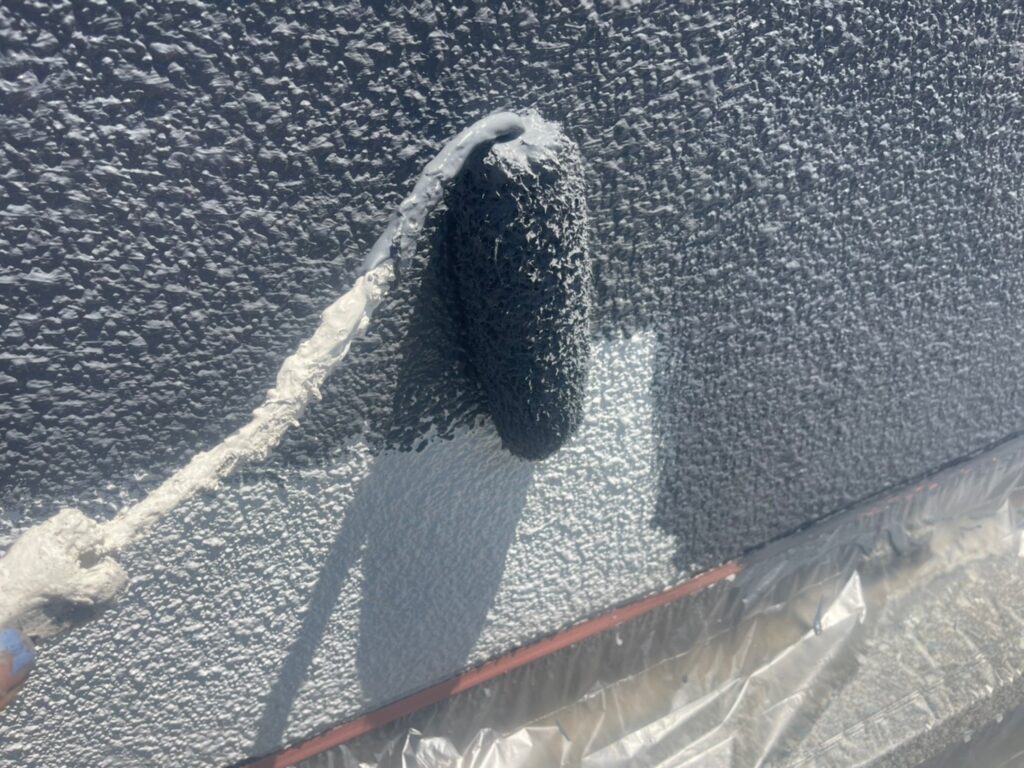
10. Top Coat
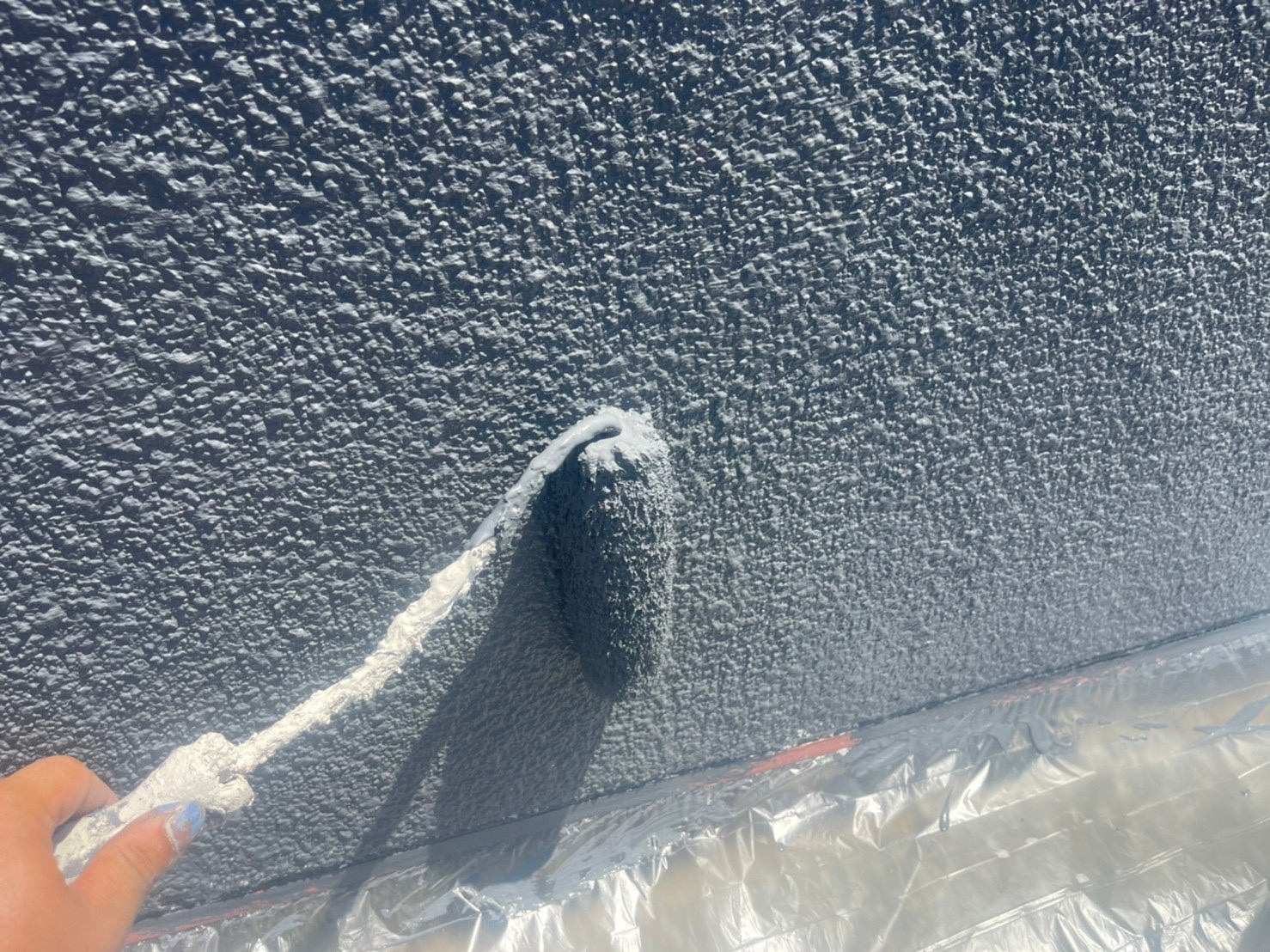
Exterior Painting Work Completed
Summary
How was that? If you are considering exterior painting, it might be a good idea to first check the contractor’s track record and see if their website is comprehensive!
Our company is also dedicated to exterior painting! You can trust us with your paint selection!
Estimates and inspections are, of course, free! If you have any concerns regarding roofs, rain gutters, exterior walls, or exteriors, please consult Kakeru Koumuten Co., Ltd.!
We handle everything from temporary scaffolding work to roofing and exterior painting completely in-house. We are confident that our costs, quality, and efficiency in exterior work are unmatched compared to other companies!
We welcome competitive estimates with confidence!
You’ll be glad you chose us! We take every request seriously to ensure you feel that way.
We have also published information on roofing costs and pricing plans for the roof overlay (cover method), so please take a look if you’re interested!
We look forward to your inquiries. Thank you very much.
Click here for helpful information on other exterior renovations!
・What is Open Exterior? An Explanation of the Benefits, Drawbacks, and Precautions of Open Exteriors!
・What is the Average Cost for Exterior Work with Concrete? Introducing Ways to Keep Costs Down!
・What is Exterior Wall Work? A Thorough Explanation of Types of Exteriors, Average Costs, and Appropriate Timing for Construction!
・CurrentWhat is Closed Exterior? Introducing the Benefits and Drawbacks! An Explanation of the Meaning of Semi-Closed Exteriors!
・How to Choose an Exterior Construction Contractor? Explaining the Correct Method to Avoid Mistakes! Let’s Protect Your Home!
・What are the Market Prices for Rain Gutter Repair and Cleaning? Tips on Timing, Fire Insurance, and Choosing Contractors!!
・Renovation Store in Yokohama, Kanagawa Prefecture | What is Roof Overlay (Roof Cover Method)?
Consultations via LINE are also very welcome◎

We are also updating our Instagram regularly◎ Please follow us!

contact Kakeru Koumuten Co., Ltd.
Kakeru Koumuten is a young company whose team is, on average, in their late twenties, but our skills are second to none.
Our greatest strength is that we handle scaffolding, roofing and painting entirely in-house. In an industry where these tasks are usually divided among contractors, our complete service simplifies project management and helps keep costs down. Above all, if a problem arises, we respond promptly.
We proudly describe ourselves as the youngest and most helpful renovation company in Kanagawa!