Insufficient Funds for Large-Scale Renovation… Solutions for Funding Shortages and Immediate Preparations Explained!

For owners and management companies of condominiums, apartments, and factories,
large-scale repairs are an essential construction project that cannot be avoided.
However, in reality, many people struggle with concerns such as “I understand the need for repairs, but I don’t have enough funds”
and “The reserve funds alone are not nearly enough.”
Large-scale repairs can incur costs ranging from several million to tens of millions of yen,
and if plans are advanced without sufficient preparation, a lack of funds may force delays or reductions in the scope of the work.
As a result, the deterioration of the building may progress, often leading to a decrease in asset value and a decline in occupancy rates.
That’s why it’s important to take measures early on and establish a feasible financial plan.
In this article, we will clearly explain the
causes and risks of insufficient funds for large-scale repairs,
specific countermeasures and preparations that can be made now.
Reasons Many People Struggle with “Insufficient Funds for Large-Scale Repairs”

Many people find themselves troubled by the thought, “I understand the necessity, but I can’t prepare the funds” when it comes to large-scale repairs.
Especially in medium to large buildings like condominiums, apartments, and factories, construction costs can be high, and it is not uncommon for reserve funds to fall short.
Furthermore, if unexpected deterioration or equipment failures occur, the initial repair plans may collapse, forcing the need to quickly secure funds.
Here, we will specifically organize the typical reasons why many people struggle with “insufficient funds for large-scale repairs“.
Large-Scale Repairs Incur High Costs
Large-scale repairs involve simultaneous work on the entire building, including exterior wall repairs and painting, waterproofing and sealing repairs, and ironwork renovations and repairs to shared facilities.
Just the costs for scaffolding and temporary construction can be substantial, and with added labor costs, material costs, and miscellaneous expenses, the total can easily exceed several million yen.
In large condominiums or factories, it is not uncommon for costs to exceed tens of millions of yen.
Because the amounts involved are on a different scale than routine repairs, it can be difficult to respond if sufficient reserves or financial preparations have not been made in advance.
This aspect is a major reason why many owners are troubled by financial issues.
Reserve Funds Alone May Not Be Sufficient
Reserve funds are an important initiative to prepare for large-scale repairs, but it is not always guaranteed that a sufficient amount can be secured.
If the funds were set at a low level during the early years of construction or if there were no opportunities to make up for shortfalls along the way, significant deficiencies may arise compared to the necessary costs.
Additionally, if past replacements of plumbing and drainage systems or emergency repairs have been conducted, it is not uncommon for the reserve funds to be lower than expected.
Furthermore, due to the impact of rising prices and soaring material costs, the estimated amount may be higher than the initial long-term repair plan.
In this way, a plan that relies solely on reserve funds lacks flexibility, resulting in a situation that is prone to funding shortages.
Because sudden deterioration or expedited repairs can disrupt financial planning
The deterioration of a building does not always progress as planned, and unexpected issues may arise.
For example, if a roof waterproofing failure leads to leaks, or if exterior wall tiles become detached, or if there are failures in the water supply and drainage systems, large-scale repairs or partial renovations may need to be carried out earlier than scheduled.
Such expedited work is often conducted during times when funding is not adequately prepared, significantly disrupting the reserve fund plan.
Moreover, in urgent situations, there may not be enough time for competitive estimates or method considerations, increasing the likelihood of higher costs.
As a result, funding shortages can become even more serious, forcing one to consider additional borrowing or scaling back construction.
Risks Associated with Funding Shortages for Large-Scale Repairs

Among owners struggling with funding shortages for large-scale repairs, there are those who think,
“Let’s wait a little longer”
“Let’s push it to next term”
and end up postponing the work.
However, as the deterioration of the building progresses over time, delaying action can lead to expanded damage, making the final repair costs more expensive.
Furthermore, a decline in living conditions and stability can lead to decreased tenant satisfaction, potentially resulting in increased vacancies and reduced revenue.
Funding shortages are not just a financial issue; they are a significant challenge that can impact the value of the building and the management situation.
Here, we will introduce some of the main risks that may arise if funding shortages are left unaddressed.
Progression of Deterioration Due to Postponed Repairs
If repairs are delayed due to insufficient funds, issues such as cracks in the exterior walls, deterioration of waterproofing layers, and rust on metal parts will gradually worsen.
These can be addressed with minor repairs in the initial stages, but if left unattended, they can affect the underlying structure and significantly expand the scope of repairs.
For example, if rainwater enters through a small crack, it can accelerate the corrosion of the rebar inside the concrete, leading to serious issues such as spalling and leaks.
As a result, areas that should have only required partial repairs may turn into large-scale renovation projects, increasing both the duration and cost of the work.
Leads to Decreased Tenant Satisfaction
As a building ages, its appearance and livability are directly affected.
When dirt on the exterior walls, peeling paint, deterioration of common areas, and equipment malfunctions become noticeable, tenants are likely to feel anxious and dissatisfied.
Additionally, if troubles with elevators or water supply and drainage systems occur frequently, there will be more instances where daily life is disrupted.
As a result, this can lead to increased turnover during renewals or a decrease in new tenants, raising management risks such as higher vacancy rates and falling rents.
Emergency Repairs May Lead to Even Higher Costs
If deterioration is left unattended, resulting in urgent issues such as leaks or equipment failures, prompt action is required.
In such emergency repairs, there may not be enough time for thorough comparisons or competitive estimates, leading to a situation where one has to request work at inflated costs.
Moreover, temporary measures, nighttime work, and partial restoration projects can overlap, making costs higher than those for regular planned repairs.
Furthermore, if renovations are needed after emergency measures, it will incur double costs.
As a result, the total amount has ballooned beyond the initially planned large-scale repairs, leading to a more serious funding shortage.
Basic Measures to Resolve Funding Shortages for Large-Scale Repairs
If the reserve fund for large-scale repairs is insufficient, let’s reconsider the funding plan while keeping the following points in mind.
・Review the current repair reserve fund
・Redesign the long-term repair plan
・Examine the breakdown of repair costs and prioritize accordingly
We will explain each point in detail.
✔️Review the Current Repair Reserve Fund
The first step to resolving the funding shortage for large-scale repairs is to reconfirm whether the current repair reserve fund is sufficient for future repair costs.
If the monthly contribution has remained low for many years, it may appear sufficient on paper, but in reality, it often falls short of the actual construction costs.
Additionally, considering the impact of rising prices and increasing labor costs, there is a high possibility that the traditional settings will be inadequate.
In such cases, combining a gradual increase in the reserve fund with the consideration of a one-time collection can help mitigate future funding shortage risks.
✔️Redesign the Long-Term Repair Plan
The long-term repair plan is an important guideline for reviewing the repair contents and costs over the next 20 to 30 years, but it may not align with reality due to the passage of time and the condition of the building.
To avoid such situations, it is essential to conduct a deterioration diagnosis by professionals and redesign the plan to reflect the current situation.
By adjusting the timing of the construction or improving efficiency through simultaneous work, it is also possible to reduce the total costs.
By revising to a realistic plan in this way, it becomes easier to allocate funds without strain and alleviate concerns about funding shortages.
✔️Examine the Breakdown of Repair Costs and Prioritize Accordingly
When attempting to carry out all construction at once for large-scale repairs, a significant amount of funding is required.
Therefore, it is important to carefully examine the breakdown of costs and prioritize based on urgency and importance.
Construction directly related to the lifespan of the building, such as waterproofing and exterior wall repairs, should be given high priority, while aesthetic improvements and minor repairs can sometimes be postponed.
Moreover, there are often cases where cost reductions can be achieved by reviewing specifications and materials.
Additionally, a phased approach to dividing the construction can also be effective in leveling the financial burden.
To maximize effectiveness within a limited budget, it is crucial to steadily implement the most necessary items first.
Utilizing Subsidy and Grant Programs Even with Funding Shortages

Even if funds for large-scale repairs are insufficient, there is no need to rely solely on personal funds or loans.
In fact, the national and local governments have numerous subsidy and grant programs aimed at addressing aging infrastructure, improving safety, and promoting energy efficiency. By effectively utilizing these, it is possible to cover part of the construction costs with public funds.
Here, we will specifically explain how to utilize representative subsidy and grant programs that should be considered in times of funding shortages.
✔️Municipal Repair Subsidies and Grants
Many municipalities offer subsidies and grants for exterior wall repairs, waterproofing, seismic reinforcement, and other projects aimed at ensuring building safety and maintaining aesthetics.
This system provides a certain percentage of the construction costs as a subsidy when the eligible work is carried out.
Depending on the situation, you may receive support ranging from several hundred thousand yen to several million yen, especially for renovations that consider aging apartment buildings or the local landscape, which are often eligible for subsidies.
However, please note that a prior application is required, and it is often excluded after the construction has started.
✔️ National and Local Government Energy-Saving and Barrier-Free Subsidy Programs
Insulation renovations for exterior walls and rooftops, the introduction of high-efficiency equipment, LED lighting conversion, and barrier-free renovations are well-supported by national and local government subsidies from the perspective of energy conservation and welfare improvement.
These are treated not just as repairs, but as performance-enhancing renovations, so the subsidy rates are often set high.
For example, replacing lighting in common areas, insulation painting, and elevator renovations are likely to be eligible, which can lead to reduced utility costs and increased tenant satisfaction.
By incorporating performance-enhancing work along with repairs, there is a possibility of increasing the value of the building while utilizing subsidies, so please consider this option.
✔️ Utilizing Group Insurance and Mutual Aid
In addition to subsidies, utilizing group insurance and mutual aid systems is also effective as a financial strategy.
Insurance for condominium management associations and businesses includes products that cover damages from natural disasters and accidents, and damages such as exterior wall damage and water leaks are often eligible.
Additionally, if repairs are caused by disasters or unexpected accidents, there is a possibility that part of the costs can be covered by insurance payouts.
Furthermore, there are organizations that provide mutual aid systems and financial loan services to prepare for insufficient repair reserve funds.
By regularly checking the coverage details and scope of your insurance, you can better manage expenses in case of emergencies, so please make sure to check this.
Can You Reduce Costs for Major Repairs by Being Creative with Estimates?
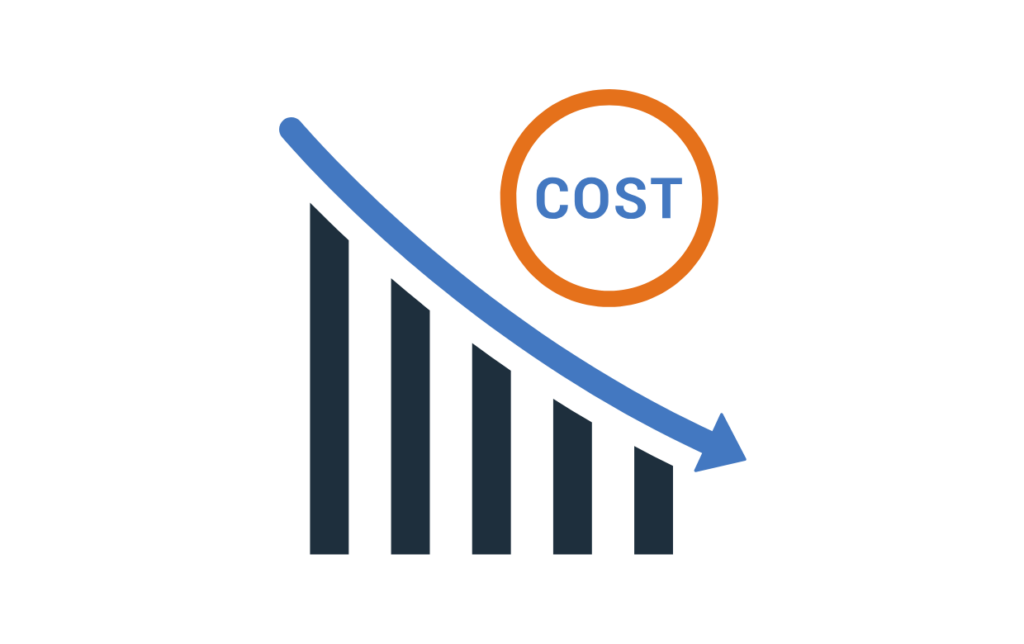 When thinking about ways to resolve funding shortages for major repairs, many people may envision “ways to increase funds,” such as raising reserves or borrowing.
However, just by being creative with how you obtain estimates and plan the construction, it is possible to significantly reduce total costs.
Here, we will provide a detailed explanation of typical cost reduction measures that can be implemented at the estimation stage.
✔️ Obtain Estimates from Multiple Companies
The most fundamental way to reduce costs for major repairs is to obtain estimates from multiple companies.
With only one estimate, it is difficult to determine whether the quoted amount is reasonable, and there is a risk of contracting at a price higher than the market rate.
If you request estimates from two to three or more companies under the same conditions, the price differences and variations in proposals will become clear, making it easier to see the appropriate price.
Additionally, having companies compete with each other can also lead to cost reductions and improved services.
It is important to compare them based on unified drawings, specifications, and the scope of work.
If the conditions are inconsistent, accurate comparisons cannot be made, so be sure to align the conditions before comparing and considering.
✔️ Review Specifications and Methods
One reason why estimates for major repairs can be high is due to excessive specifications or unnecessarily high-grade material selections.
If high-performance specifications are adopted in areas that do not affect durability or safety, costs will only increase.
In particular, the types of paint, waterproofing methods, and grades of finishing materials should be optimized according to the building’s use and location, and the highest grade is not always the most suitable.
By reviewing the specifications to meet the necessary and sufficient performance, it becomes possible to reduce costs while maintaining quality.
✔️Divide the construction scope into phases
In large-scale repairs, attempting to carry out all the work at once requires a significant amount of funding, making financial planning difficult.
To implement it without strain, it is recommended to divide the construction scope into phases.
By prioritizing urgent work such as waterproofing and structural repairs, and deferring aesthetic improvements and minor repairs to the next repair cycle, you can keep initial costs down while ensuring the safety of the building.
In this case, the financial burden can be spread over several years, allowing for flexible management according to reserve funds and revenue conditions.
For large-scale repairs of condominiums, apartments, and factories, leave it to “Kakeru Koumuten”!

Since large-scale repairs involve different challenges and financial situations for each building, it is important to consult with a specialized contractor who has planning capabilities suited to the current conditions rather than a one-size-fits-all proposal.
At Kakeru Koumuten, we provide comprehensive support from deterioration diagnosis to estimates, construction, and aftercare, taking into account the usage and operational status of each condominium, apartment, and factory.
On-site surveys, deterioration diagnosis, and estimates are free!
In particular, for concerns about finances such as “I don’t have enough funds” or “It’s difficult to carry out full construction right now,” we can offer realistic proposals that include prioritizing construction, phased implementation, and utilizing subsidy systems.
Additionally, we place great importance on thoroughly explaining the breakdown and specifications of the estimates to ensure that there are no lingering doubts or concerns.
If you want to protect the value of your building in the long term with a manageable financial plan, please consult with Kakeru Koumuten.
Conclusion
The concern of insufficient funds for large-scale repairs is a realistic challenge faced by many owners.
However, by combining a review of repair reserve funds, redesigning long-term repair plans, and creative approaches to subsidies and estimates, there is ample possibility to achieve repairs even in situations of financial shortfall.
What is important is to not postpone the problem and to start gathering information and preparing early.
By collaborating with the appropriate construction company and choosing methods that suit the condition of the building and financial situation, you can lead to manageable large-scale repairs.
Kakeru Koumuten is committed to thoroughly addressing financial concerns and providing realistic proposals, so please feel free to consult with us if you are in need.
・Aftercare by Kakeru Koumuten Co., Ltd.
・Construction Menu and Price List by Kakeru Koumuten Co., Ltd.
・Staff Blog and Announcements by Kakeru Koumuten Co., Ltd.
・Explaining the Importance of Comparing Estimates!
・What is the Cost Range for Large-Scale Renovations? A Comprehensive Guide to Breakdown and Cost-Saving Tips!
・When Should Large-Scale Renovations Be Conducted? An Explanation of the Optimal Timing and Risks of Delaying!
・Estimates are Essential for Large-Scale Renovations! Introducing Comparison Points and Precautions!
・5 Common Troubles in Large-Scale Renovations for Condominiums! A Thorough Explanation of Causes and Prevention Measures!
・What is Waterproofing Work in Large-Scale Renovations? A Comprehensive Explanation of Roles, Signs of Deterioration, and Precautions!
・What is Substrate Repair in Large-Scale Renovations? A Thorough Explanation of Necessary Reasons, Signs of Deterioration, and Types of Work!
・What is Sealing Work in Large-Scale Renovations? Introducing Roles, Methods, and Tips for Success!
・What is Tile Repair in Large-Scale Renovations? An Explanation of Signs of Deterioration, Types of Work, and Cost Range!
・What is the important exterior wall painting in large-scale repairs? A thorough explanation of necessity, signs of deterioration, and cost trends!
[/box06]
Consultations via LINE are also very welcome◎

We are also updating our Instagram regularly◎ Please follow us!

contact Kakeru Koumuten Co., Ltd.
Kakeru Koumuten is a young company whose team is, on average, in their late twenties, but our skills are second to none.
Our greatest strength is that we handle scaffolding, roofing and painting entirely in-house. In an industry where these tasks are usually divided among contractors, our complete service simplifies project management and helps keep costs down. Above all, if a problem arises, we respond promptly.
We proudly describe ourselves as the youngest and most helpful renovation company in Kanagawa!