What is Kasagi? A Detailed Explanation of the Role and Repair Methods of Kasagi!

Hello! This is Kakeru Koumuten Co., Ltd.!

Here, we will introduce “Kasagi” and
actual construction examples from Kakeru Koumuten Co., Ltd. will also be introduced!
・What part is Kasagi?
・Can I request repairs just for the Kasagi..?
・I’ve been worried about water leaks on the balcony recently…
We often hear concerns and questions like these.
In this article, we would like to introduce Kasagi to help resolve such questions!

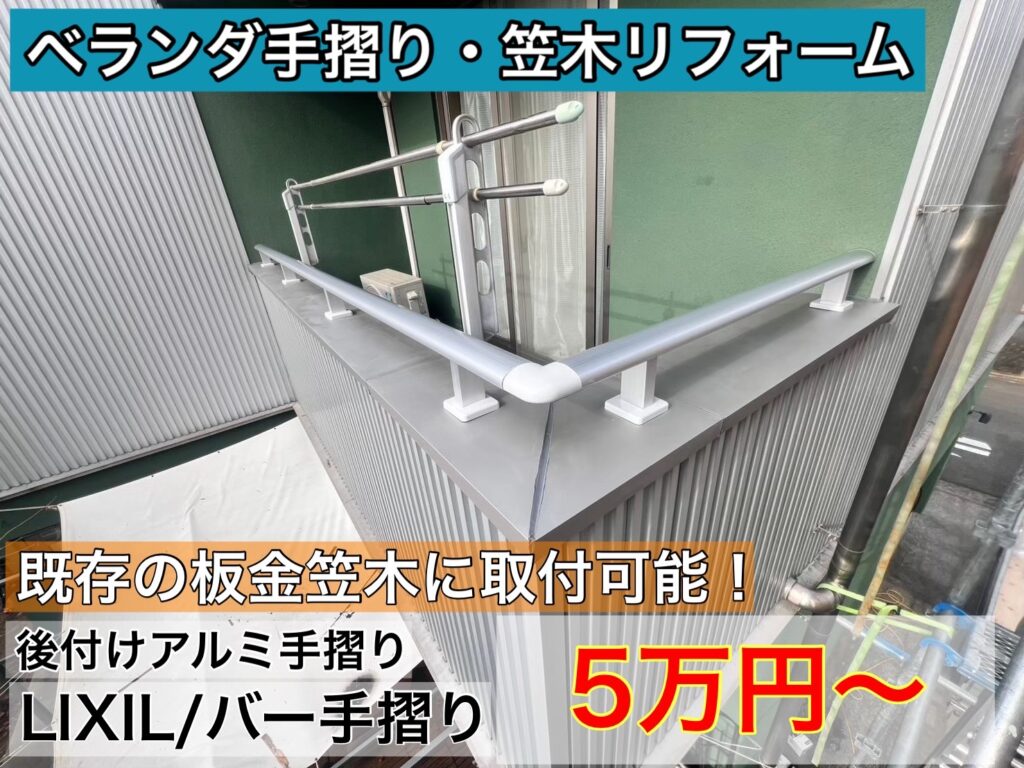
What is Kasagi?
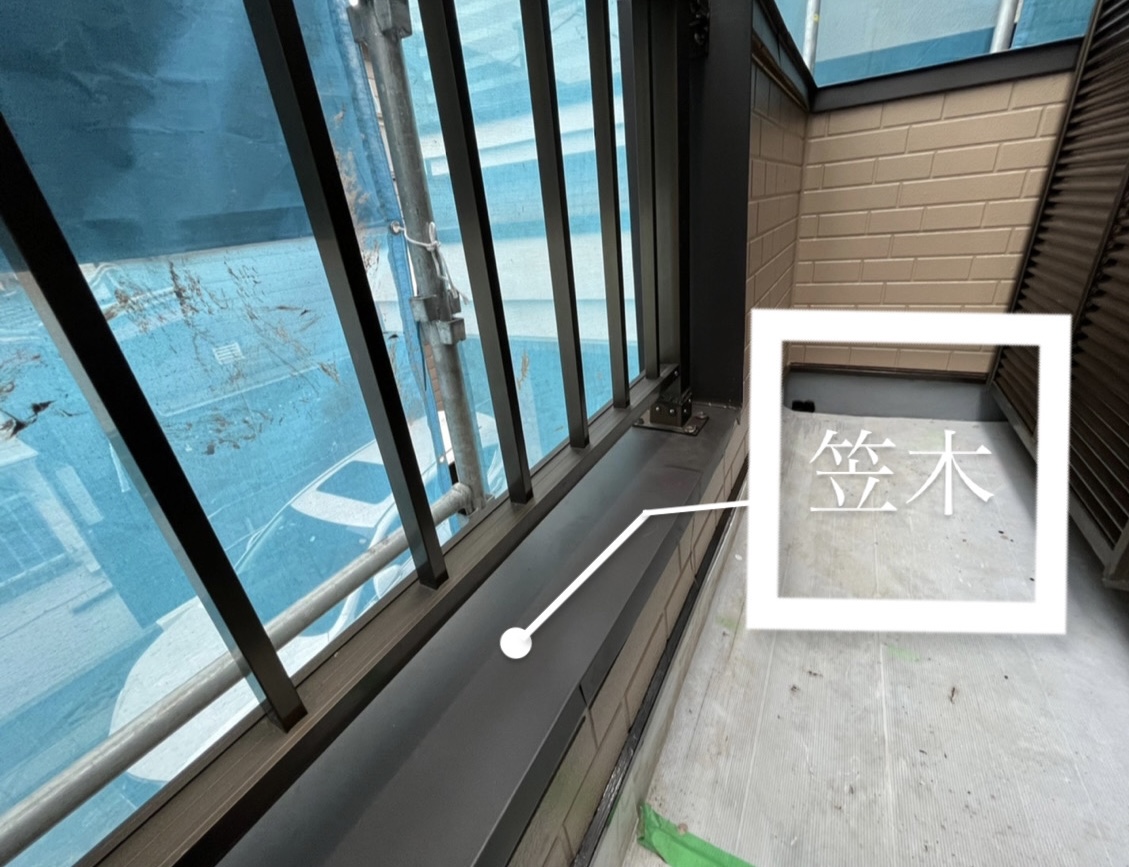
In architectural terms, “Kasagi” refers to the finishing materials installed on the horizontal upper parts such as “balconies, verandas, and parapets”. Kasagi is a component or part used for waterproofing.
The materials vary depending on the installation location, with aluminum, corrugated iron, and Galvalume steel mainly used outdoors, while wood is often used indoors. This time, we will explain about kasagi used outdoors!
Role of Kasagi
The main role of kasagi is waterproofing. Of course, it is also installed to match the design of the exterior!
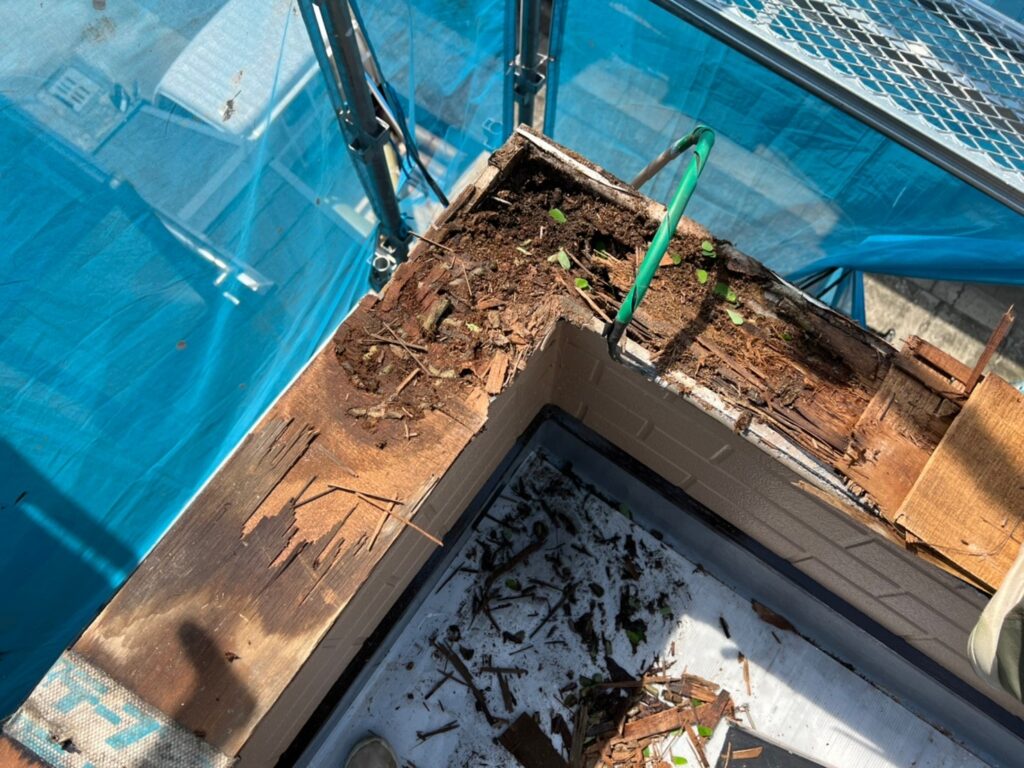
Rain leaks from kasagi are quite common.
Kasagi serves to prevent deterioration of walls and structures from rain, wind, and dust in the air. This is especially important for walls and rooftops that are affected by rain and wind.
The kasagi on verandas and balconies enhances waterproofing to prevent rainwater from entering the interior of the parapet.
Kasagi may not be well-known, but you can think of it as a small roof that protects your home.
Points to Note for Kasagi Construction
① Joint Areas
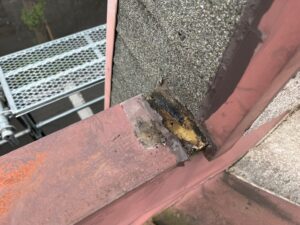
Be cautious if the joints where kasagi overlaps are cracked or damaged. There is a risk that rainwater may enter through the cracked gaps.
The joints on verandas and balconies are prone to deterioration due to UV rays and temperature differences, so be sure to check for any cracks.
② Deterioration of Kasagi Itself
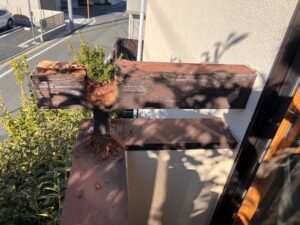
The cap flashing itself can deteriorate. When the cap flashing deteriorates, its waterproofing function decreases. Basically, the cap flashing deteriorates due to ultraviolet rays and rain.
In particular, metal cap flashings are prone to rust.
If the cap flashing deteriorates, water can enter inside, leading to the rotting of the wooden structure and causing leaks.
It is very common for cap flashing to rust and develop holes!
③ Nails and Screws
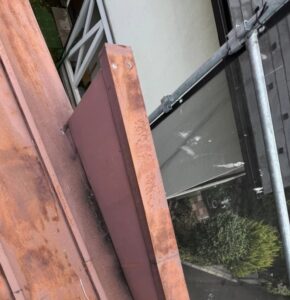
If the cap flashing is fastened with nails or screws from directly above, caution is required. Regarding roofs and cap flashings, it is generally not recommended to drive nails into the metal from directly above, known as “top nailing”.
Fixing the metal with top nailing can allow rainwater to seep in through the nail holes, significantly increasing the risk of substrate rot and leaks. If top nailing is unavoidable, be sure to use a primer and seal the area!
Even if it is fastened from the side, over time the nails can loosen, and if rainwater seeps in through the gaps, the interior will begin to deteriorate.
Types of Cap Flashing
・Galvalume Steel
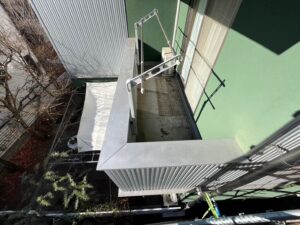 Galvalume Steel Cap Flashing “JFE Steel/Kiwami MAX”
This involves processing and installing Galvalume steel sheets onto the existing cap flashing!
It prevents leaks and is made from highly durable materials, making it a recommended renovation method.
The Galvalume steel used is “JFE Steel/Kiwami MAX”, which has a expected durability of over 30 years and comes with a 15-year coating warranty and a 25-year hole warranty, providing peace of mind with solid manufacturer guarantees!
However, compared to aluminum cap flashings, it is more prone to dents and holes from impacts, which is a disadvantage.
・Aluminum
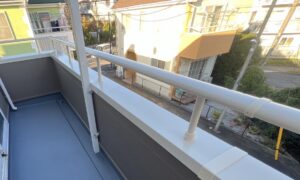 Aluminum Cap “LIXIL/Handline III”
Aluminum caps are highly durable and resistant to impact, making them the most suitable choice for caps on verandas and balconies.
They come in a variety of colors and stylish designs, including wood grain patterns, making them a popular option.
A disadvantage is that they may not be suitable for complex-shaped caps.
What are the repair and maintenance methods for cap work?
Now, let’s introduce the repair and maintenance methods for cap metalwork.
Calking Repair
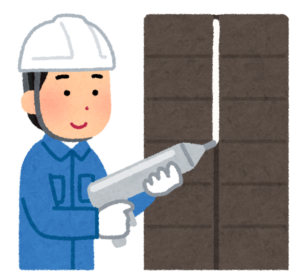
If rain leakage occurs due to the deterioration of the caulking, simply redoing the caulking can prevent further deterioration.
The main areas where caulking is applied include the joints between caps, around the handrail, around nails and screws, and where the cap connects to the exterior wall.
If there are cracks or if it has become thin with gaps at both ends, it is a good indication that it’s time for redoing. Redoing (replacing) involves removing the existing sealing material and filling it with new sealing material.
Cap Replacement
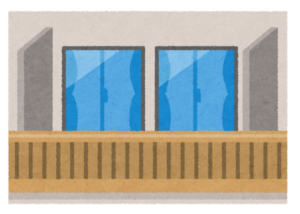
If corrosion has progressed to the interior of the cap and rain leakage damage has occurred indoors, cap cover work or replacement work will be necessary.
The construction method varies depending on the material of the cap. For galvanized iron or metal, our company primarily uses cover work as a standard.
If the cap is made of aluminum, cover work is not possible, so replacement work will be necessary.
If the corrosion inside the cap or the situation of rain leakage is serious, complete replacement work from the base will be necessary. In the case of replacement, the existing materials and base must be dismantled. After reinforcing the base, plywood will be installed, and new materials will be attached.
Painting of the Cap
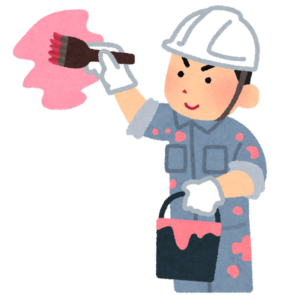
The cap can also be repaired with painting. Although it is called repair, it mainly extends the waterproofing effect of the cap itself and helps maintain its aesthetic appeal.
Just because it has been painted does not mean that it will prevent leaks.
While it is said to maintain aesthetics, the paint will peel over time, so painting is not highly recommended. Conversely, it often deteriorates in appearance within a few years.
List of Subsidy Programs for Caps and Balconies
There are regions where subsidies may be available for exterior renovations such as caps and balconies.
Please check your local municipality’s website for more information.
【Toshima-ku, Tokyo】Housing Repair and Renovation Subsidy Program
Amount / Rate
Eligible Construction
- General residential renovations
- General repair work, etc.
Eligibility Requirements
- Must have lived in Toshima Ward for at least 2 years continuously
- The monthly household income for the previous year must be 158,000 yen (or 214,000 yen depending on conditions) or less
- Must consult with the Toshima Ward Housing Consultation Liaison Meeting in advance
- Work must not have started before grant approval, etc.
Installation Explanation for Cap Flashing Replacement
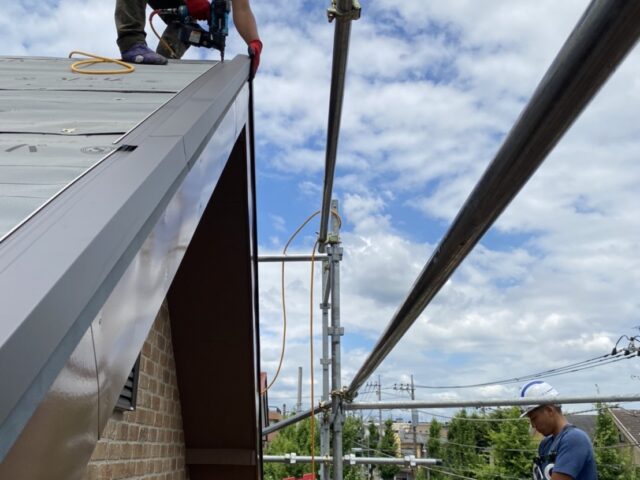
We have explained about the cap flashing above, and now we will provide a clear explanation based on the construction photos! This is an actual achievement by Kakeru Koumuten Co., Ltd.!
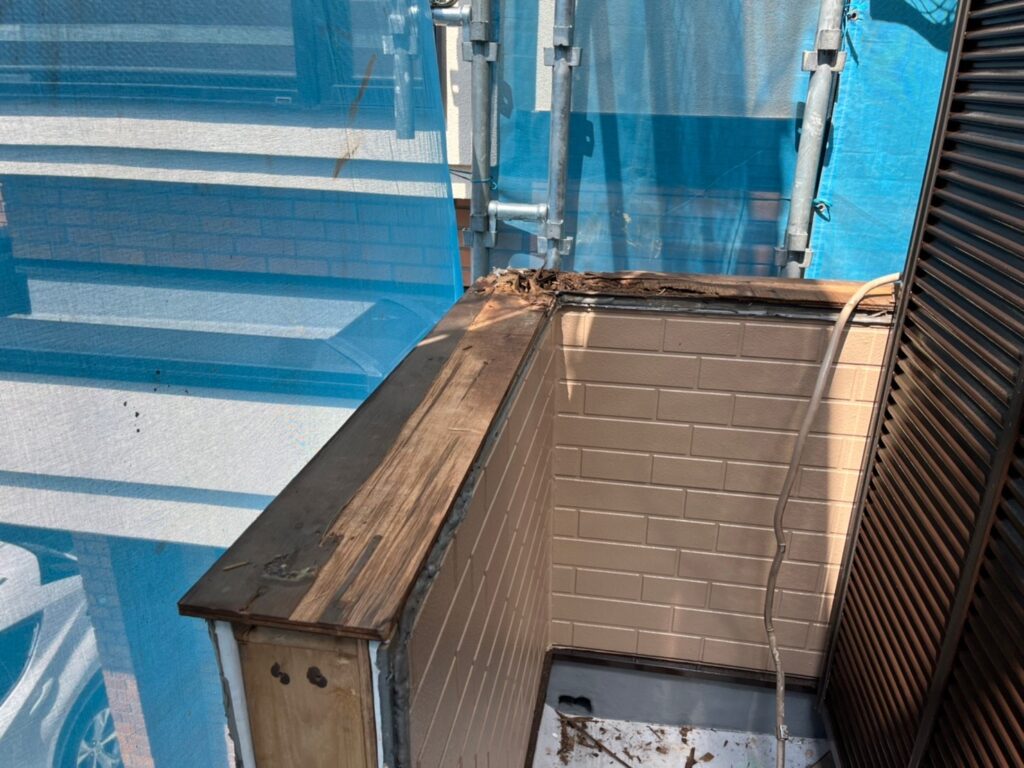
1. Removal of Existing Cap Flashing

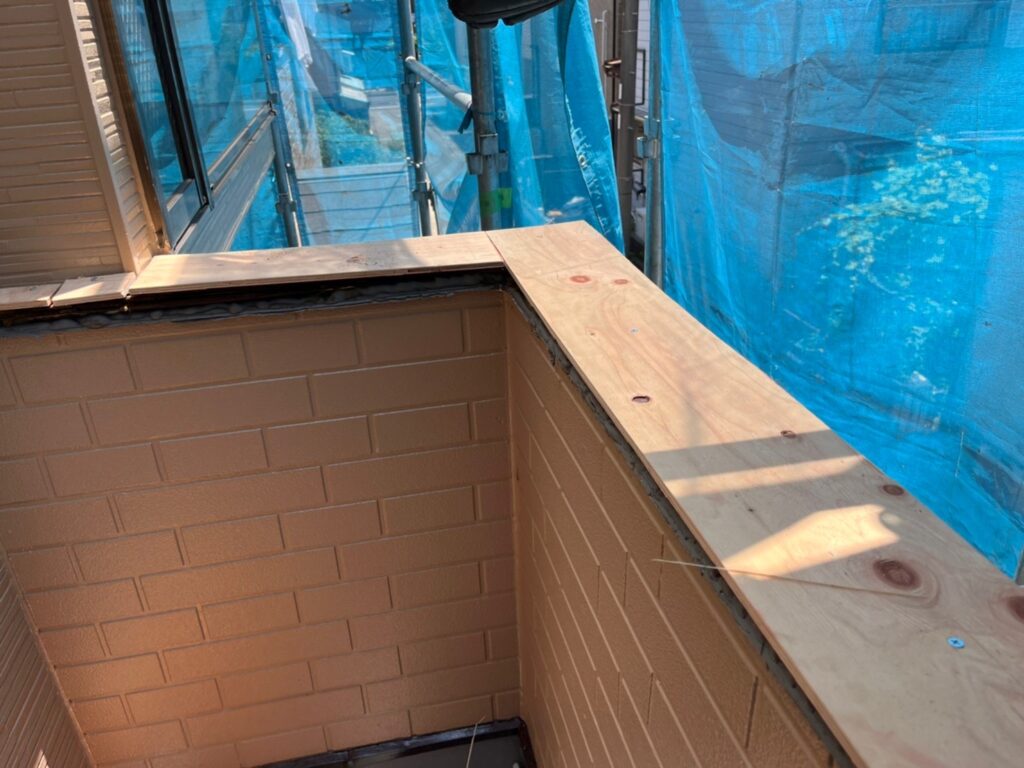
2. Replacement of Cap Flashing Underlayment
3. Installing the Roofing Sheet
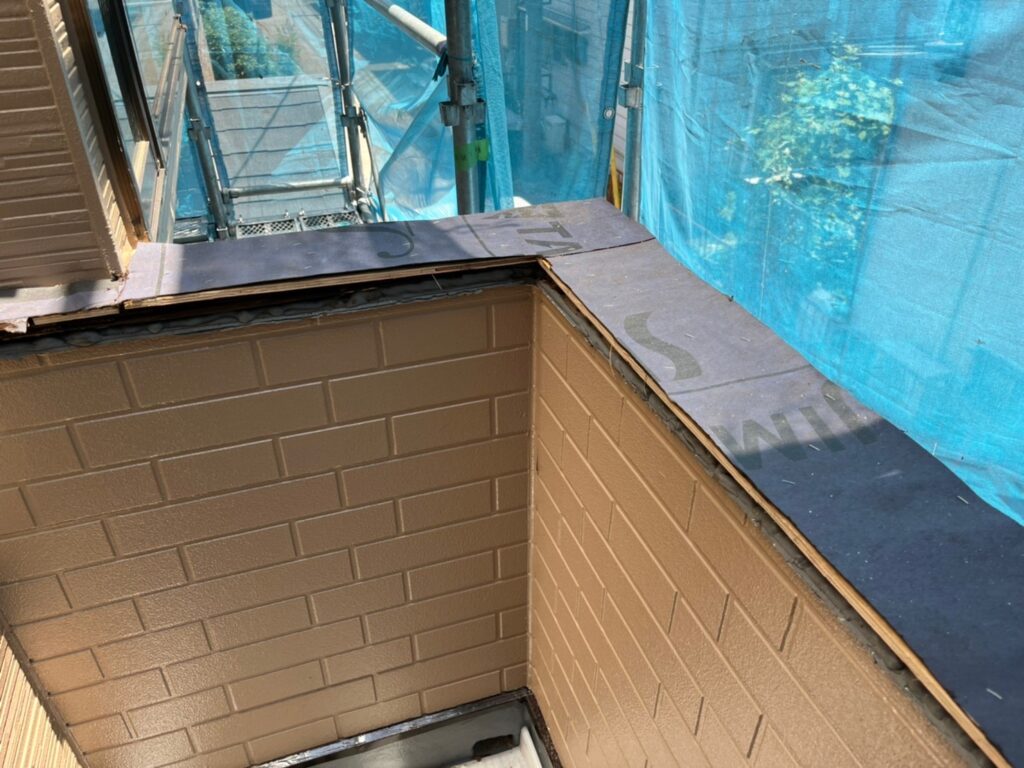
It is made of a delayed adhesive modified asphalt roofing material, which is said to have double the durability of regular asphalt roofing.
With the role of primary waterproofing, if the roofing is secure, there will be no leaks!
We will ensure it is firmly attached so it doesn’t blow away.
We also have an article explaining roofing sheets! Please take a look if you’re interested!
4. Installing Accessories / Karakusa
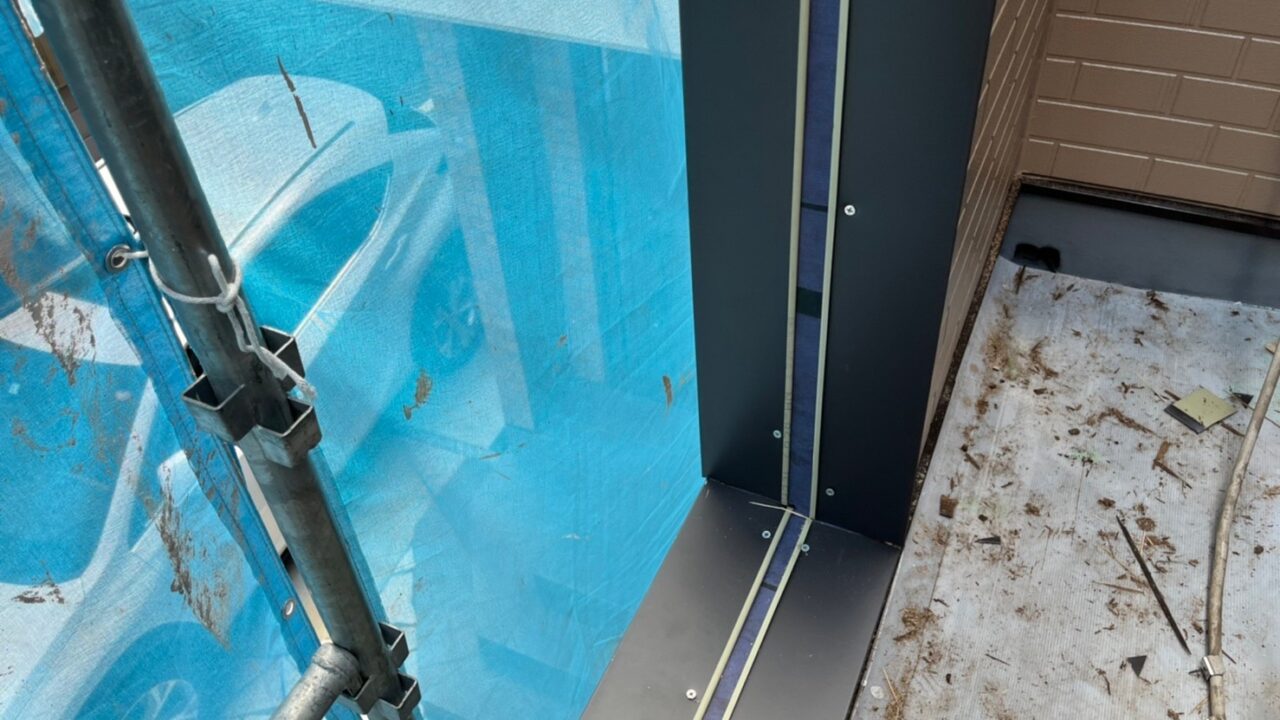
The material used for the accessory is Galvalume steel plate!
5. Installing the Cap and Caulking Various Areas
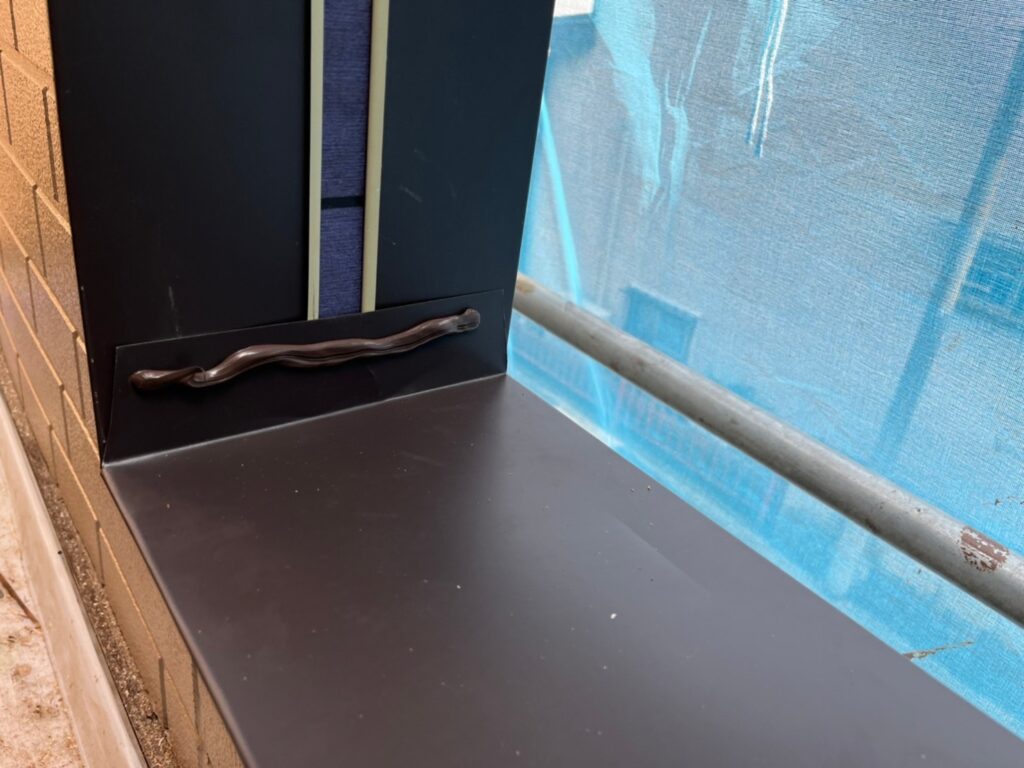
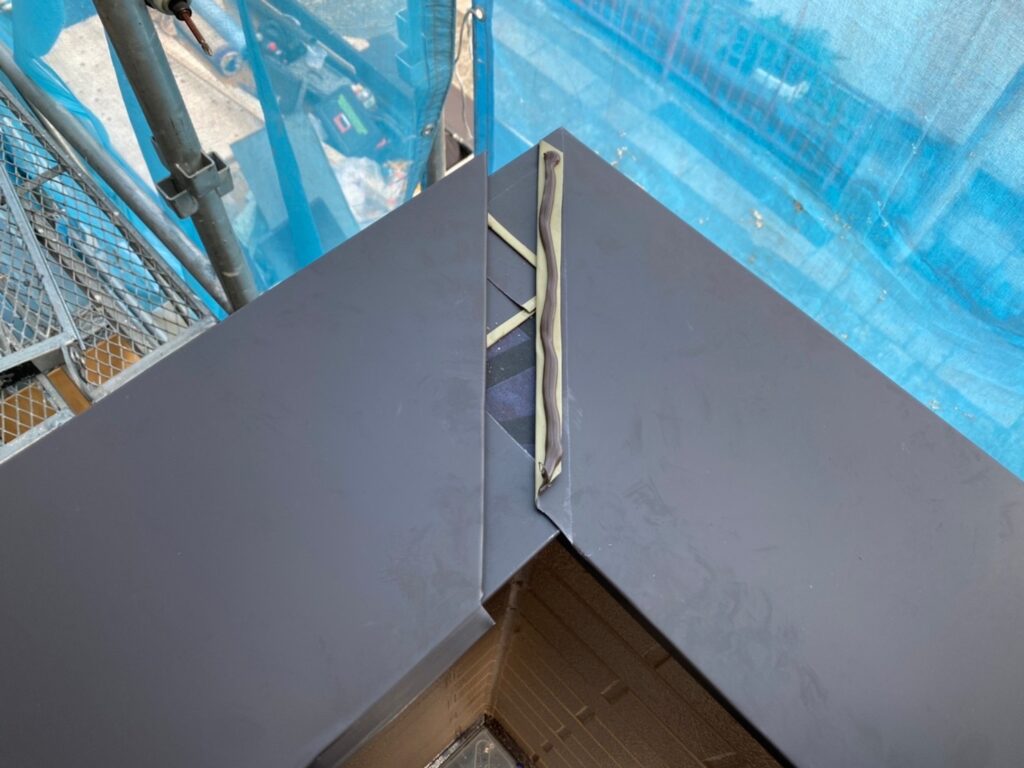
Coping Installation Examples
◇ K’s residence in Sagamihara City: Parapet
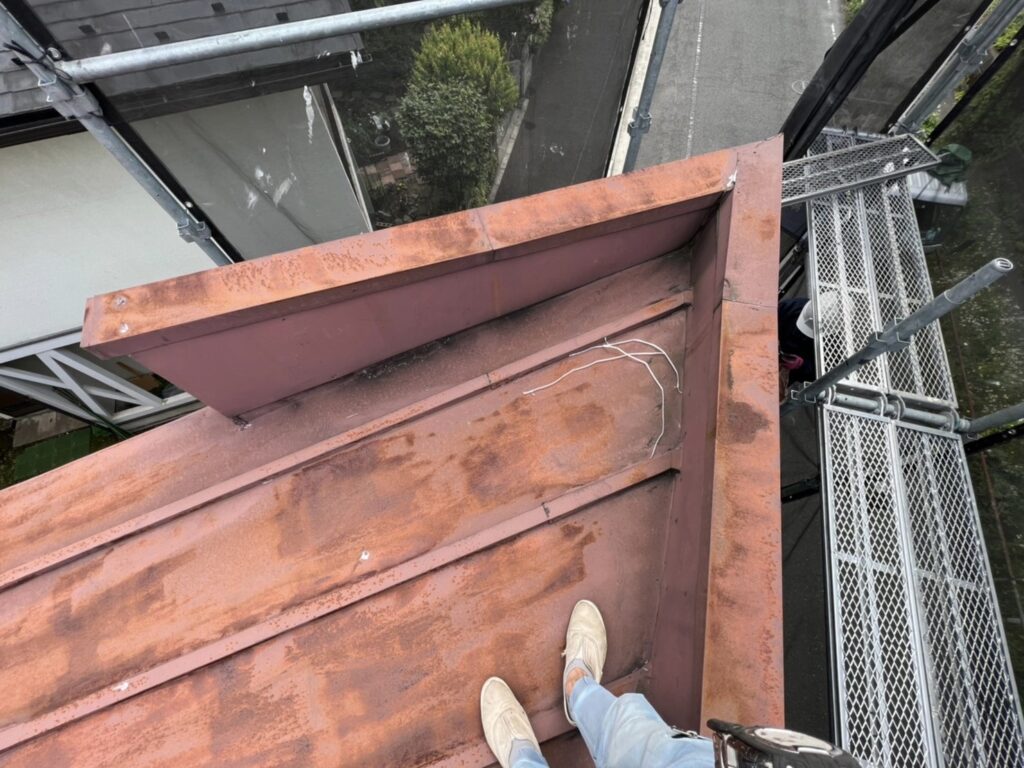
◇ Balcony in Totsuka-ku, Yokohama
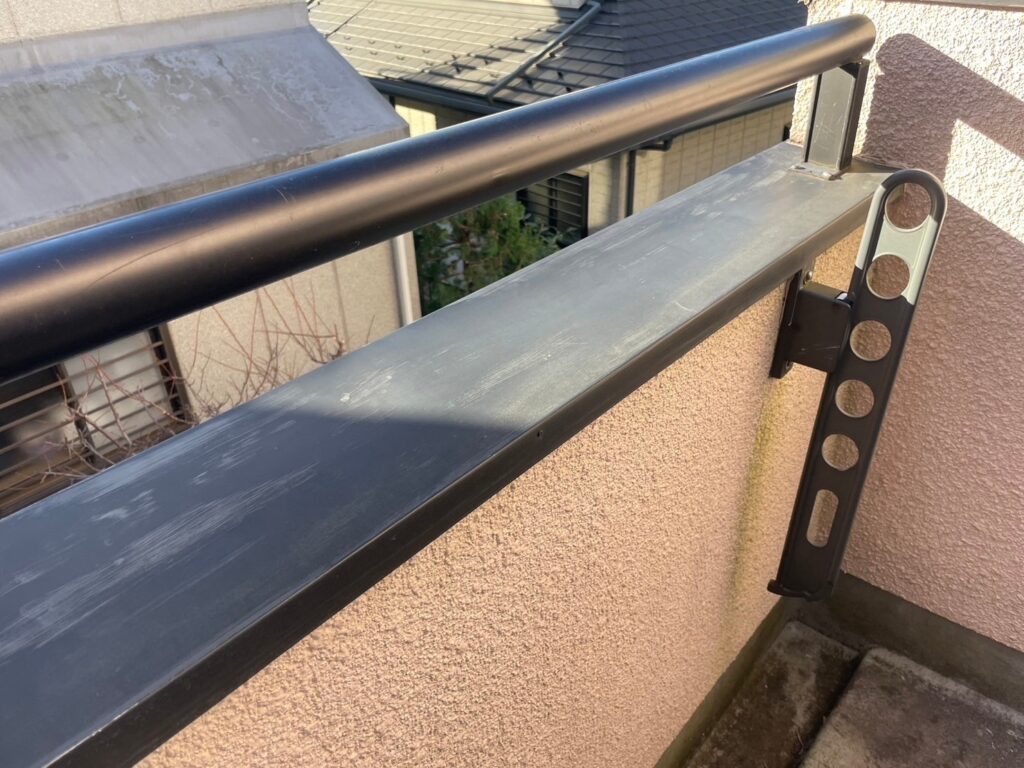
◇ K’s residence in Kohoku Ward: Balcony
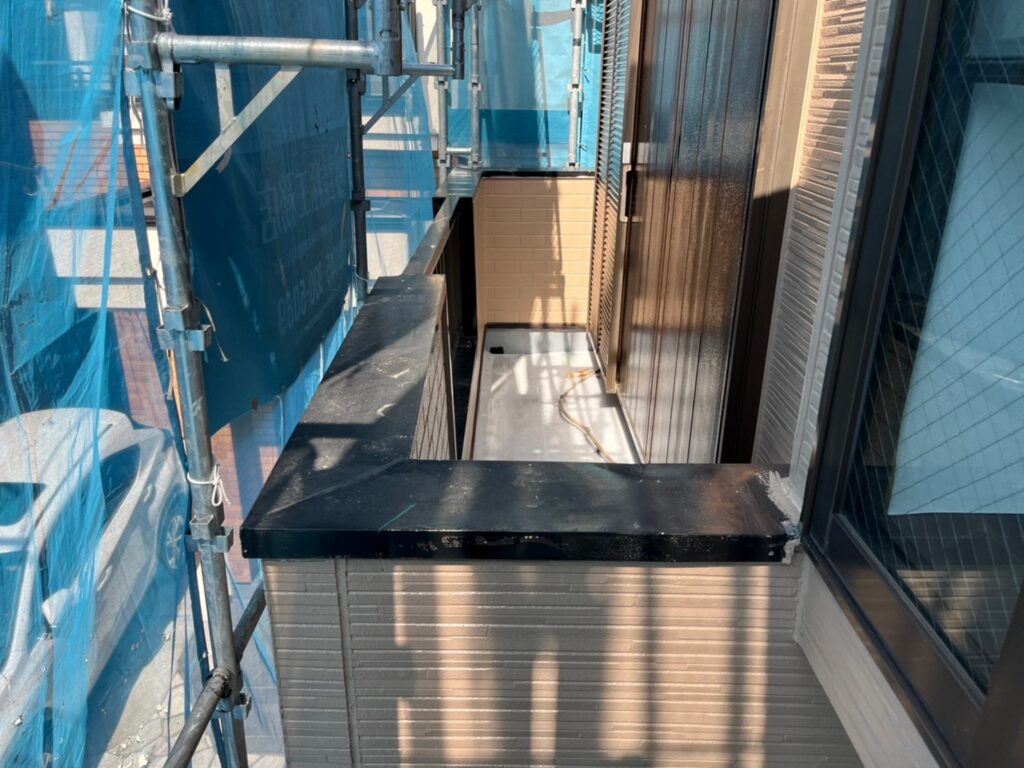
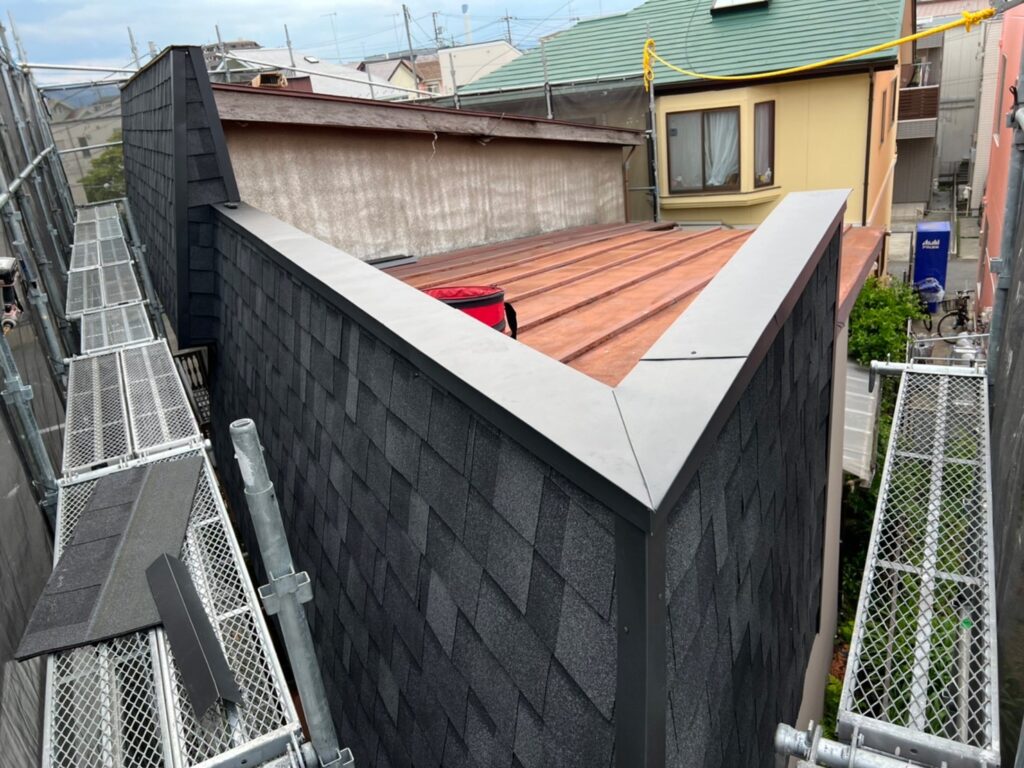
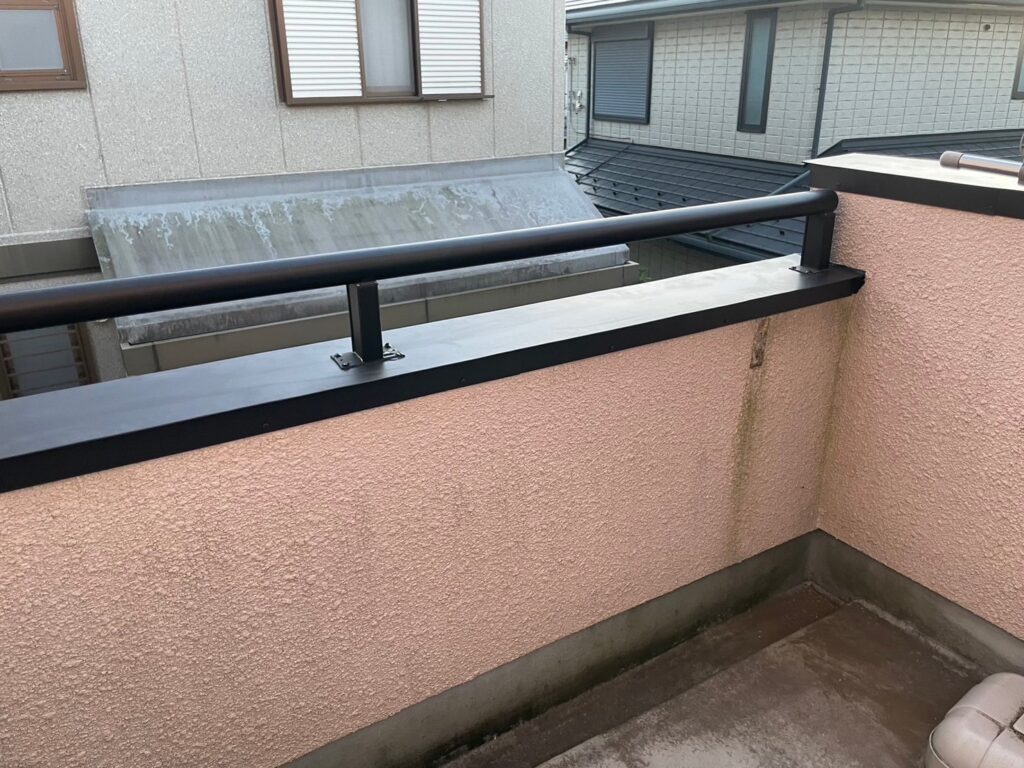
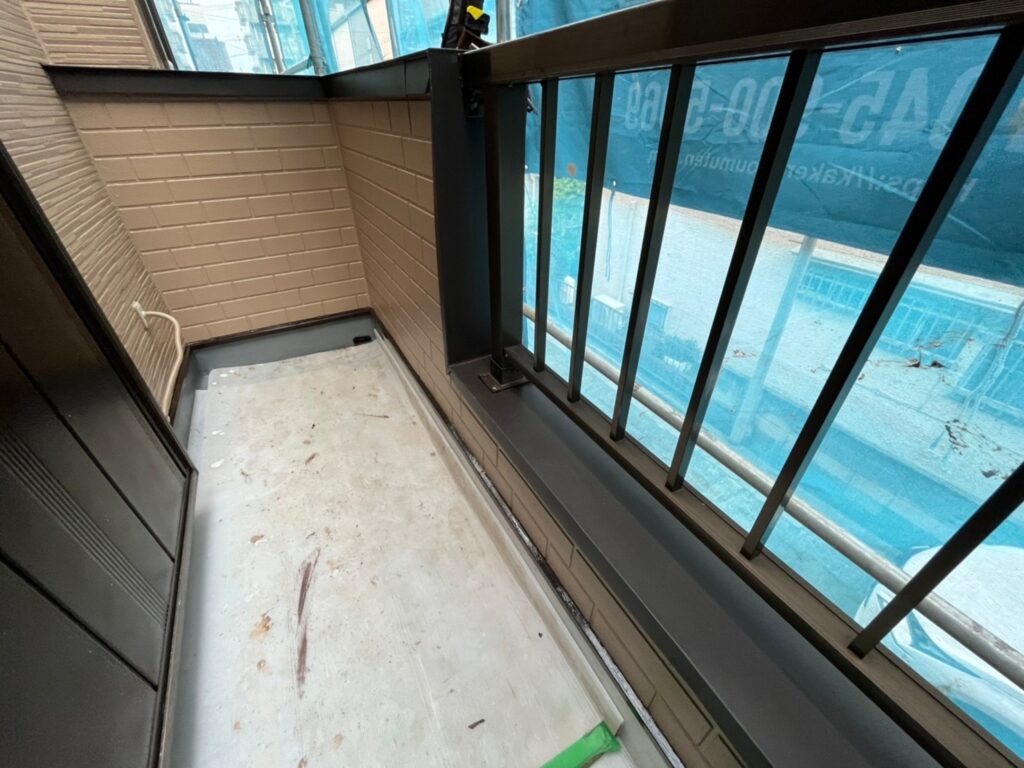
The coping and fascia metalwork will be processed to fit the building using Galvalume steel sheets!
The metal sheets we often use are JFE Steel/ Kiwami MAX!
The durability is approximately 35 years, and we also offer a 25-year warranty against holes!
Not only do we have various construction achievements, but we also share useful information related to construction!
There are constructions that can lead to losses or failures if you are not informed! Let’s gain some knowledge about construction before making mistakes or incurring losses, so you can evaluate contractors effectively!
Voices from Customers Who Have Actually Had Cap Work Done
■ S-san, Aoba-ku, Yokohama
I was concerned about the deterioration of the cap and requested a quote.
The handrail had become fragile, and I had the cap replaced. They provided thorough explanations before and after the work, making it very easy to understand, and I was able to trust them with the construction. Thank you very much.

■ A-san, Miyamae-ku, Kawasaki
I requested roof work and cap work. I received quotes from about three companies, but compared to others, Kakeru Koumuten Co., Ltd.’s quote was detailed and easy to understand, and the cost was also lower, so I decided to go with them.
I didn’t have much knowledge about caps, but they patiently taught me about each aspect, which was very helpful.
Q&A about Cap Metal Work
Yes, of course, it is possible. We often carry out work that involves only the cap.
Generally, it is not necessary. However, in cases where construction is difficult, we may set up scaffolding partially.
The cost can vary significantly depending on the materials used (such as aluminum or Galvalume steel), but generally, it ranges from 50,000 yen per meter!
Leave Cap Metal Work to Kakeru Koumuten!
The cap plays a role in preventing rainwater intrusion and protecting your home, such as balconies, terraces, and parapets. If you notice rust on the cap, cracks or damage in the caulking, or decay and leaks under the balcony or terrace (soffit), it is essential to address these issues immediately.
For those seeking maintenance, repairs can be done through caulking and coating with paint. If the interior has decayed due to leaks, it would be best to replace the cap for repairs.
Kakeru Koumuten Co., Ltd. offers free estimates and inspections!
We prioritize our customers and are confident in our work! At Kakeru Koumuten, we do not charge until our customers are satisfied after the work is completed!
If you have any concerns after the work, or if you feel unsatisfied, please feel free to consult us, and we will respond promptly!
Helpful information about exterior renovations can be found here!
・Aoba-ku, Yokohama | Kasagi Metal Replacement | We have implemented measures against leaks through the replacement of the kasagi!
・Ota-ku, Tokyo | Kasagi Metal Replacement | We have replaced the kasagi on the balcony!
・Kohoku-ku, Yokohama | Balcony Kasagi Replacement | Measures against leaks through the replacement of kasagi metal!
・Painting DIY Plan! A must-see for those who want to try DIY roof and exterior wall painting! We will only set up the scaffolding!
・About the costs of roof overlay | Kakeru Koumuten’s roof construction plan!
・About the costs of exterior wall painting | Kakeru Koumuten’s exterior wall painting plan!
・About the costs of leak repairs | Kakeru Koumuten’s leak repair plan!
・Kasagi Replacement | About the costs of ridge metal and plaster work | Kakeru Koumuten’s construction plan!
・Latest | About subsidies and reduction systems available for renovations!
・No need for scaffolding!! About the exterior wall cleaning construction plan!
・Renovation Store in Kanagawa Prefecture, Yokohama | What is Roof Overlay (Roof Cover Method)?
Consultations via LINE are also very welcome◎

We are also updating our Instagram regularly◎ Please follow us!


株式会社翔工務店へ
株式会社翔工務店は平均年齢20代後半の若い会社ですが、技術はどこにも負けていません。
いちばんの強みは、足場工事、屋根工事、塗装工事とすべて自社で行えること。一般には分業されるこの業界にあって、一式で頼めるので管理に手間がかからず、コストも抑えることが出来ます。何より、トラブルがあればすぐにかけつけます!
自信をもって、宣言できます。私たちは、神奈川で一番若くて親切なリフォーム屋です!